Beagle : Si Pencari yang Cerdik dan Menggemaskan

Beagle adalah slot mania anjing yang dikenal luas karena kecerdasannya yang luar biasa dan kemampuan penciuman yang tajam, menjadikannya salah satu ras yang paling cerdik dalam dunia anjing. Mereka sering digunakan dalam pekerjaan deteksi karena kemampuannya dalam melacak bau, baik dalam pencarian orang hilang maupun deteksi narkoba. Namun, selain kemampuannya yang luar biasa, Beagle juga memiliki karakter menggemaskan yang membuatnya menjadi anjing yang sangat dicintai.

Sebagai ras pemburu, Beagle memiliki naluri yang kuat untuk mengejar bau dan ini sering kali menjadi tantangan bagi pemiliknya. Mereka akan sangat senang berkeliling mencari bau baru, yang dapat membuat mereka cenderung menggali atau melarikan diri jika tidak diawasi dengan baik. Meskipun demikian, Beagle adalah anjing yang sangat cerdas dan bisa dilatih untuk memahami berbagai perintah. Dengan pelatihan yang tepat, mereka akan menjadi lebih terkontrol dan dapat berfungsi dengan baik sebagai anjing peliharaan yang setia.

Kombinasi antara kecerdasan dan kepribadian yang ceria membuat Beagle sangat menyenangkan untuk dijadikan teman sehari-hari. Mereka sangat ramah dengan semua anggota keluarga, termasuk anak-anak, dan biasanya juga akrab dengan hewan peliharaan lainnya. Kepribadian mereka yang penuh energi dan rasa ingin tahu menjadikan Beagle bukan hanya teman yang setia, tetapi juga sahabat petualangan yang menggemaskan. Dengan perawatan yang tepat, Beagle bisa menjadi anjing yang bahagia dan penuh kasih sayang.

Anteaters: The Specialized Insect-Eaters of the Americas

meatthesavages.com – Anteaters are unique and fascinating mammals, known for their distinctive long snouts, sharp claws, and specialized diet. Native to Central and South America, anteaters are part of the order Pilosa, which also includes sloths and armadillos. These creatures are well-adapted for their insectivorous lifestyle, with specialized features that make them highly effective at consuming ants and termites. Anteaters have long captured the imagination of wildlife enthusiasts and researchers alike due to their unusual anatomy and behavior. This article explores the various species of anteaters, their physical characteristics, behavior, diet, and their role in the ecosystems they inhabit.

1. What is an Anteater?

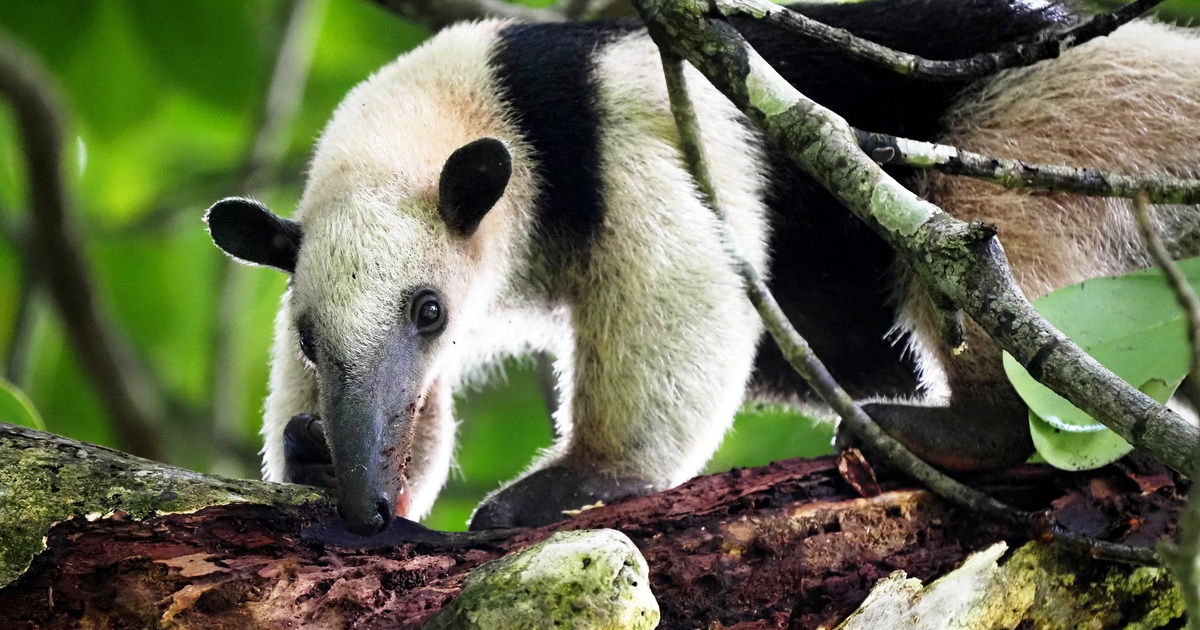
An anteater is a mammal known for its long, tubular snout and tongue, which are adapted for feeding on ants, termites, and other insects. Anteaters are part of the Pilosa order, which is exclusive to the Americas. There are four recognized species of anteaters, each adapted to different types of environments, but all share the common trait of being insectivores—animals that primarily feed on insects.

The four main species of anteaters are:

  • Giant Anteater (Myrmecophaga tridactyla)
  • Silky Anteater (Cyclopes didactylus)
  • Northern Tamandua (Tamandua mexicana)
  • Southern Tamandua (Tamandua tetradactyla)

These species vary in size, habitat, and behavior, but they all play a crucial role in maintaining the balance of their ecosystems by controlling insect populations.

2. Physical Characteristics of Anteaters

Anteaters are easily identifiable due to their unique physical features, which have evolved to help them feed on a diet composed primarily of ants and termites.

  • Long Snout and Tongue: One of the most distinctive features of anteaters is their long, narrow snout. This snout is home to a long, sticky tongue, which can be extended up to 2 feet (60 cm) in length. The tongue is used to extract ants and termites from their nests. The anteater can flick its tongue in and out at incredible speeds, reaching up to 150 times per minute.
  • Claws and Paws: Anteaters have powerful claws, particularly on their forelimbs, which are used to break open ant mounds and termite nests. These claws are also helpful for defense, as anteaters are capable of standing on their hind legs and using their claws to fight off predators. Despite their large claws, anteaters have a specialized gait and are not particularly fast movers.
  • Body Size: Anteater species vary greatly in size. The giant anteater is the largest of the group, growing up to 7 feet (2 meters) in length, including the tail. The silky anteater, on the other hand, is much smaller, measuring only about 18 inches (45 cm) long and weighing around 1 to 2 pounds (0.5 to 1 kg).
  • Fur and Appearance: Anteaters typically have coarse, dense fur that helps protect them from the insects they consume. Their fur is often a mix of gray, brown, and black, with some species, like the giant anteater, having distinct white or yellowish markings on their fur.
  • Tail: Anteaters possess long, bushy tails, particularly the giant anteater. These tails help with balance and provide additional protection against predators when the anteater curls into a defensive position.

3. Behavior and Lifestyle of Anteaters

Anteaters are solitary and nocturnal animals, spending much of their time foraging for food and resting during the day. Their behavior is uniquely suited to their insect-based diet and lifestyle.

  • Solitary and Territorial: Anteaters are typically solitary creatures, with each individual maintaining a home range that it defends against others. They are not territorial in the traditional sense but will avoid one another when feeding. Giant anteaters, for instance, are known to establish specific territories and use scent marking to communicate with others.
  • Nocturnal Foraging: Anteaters are primarily nocturnal, meaning they are most active during the night. They forage for food using their keen sense of smell to locate ant mounds or termite nests. Their elongated snout and sticky tongue allow them to consume large quantities of insects in one feeding session.
  • Slow and Steady: Anteaters are not fast movers. They generally have a slow, deliberate walking pace. This slow movement is a defensive strategy; their powerful claws and slow pace discourage predators from attacking. When threatened, an anteater may stand upright and use its claws to defend itself.
  • Swimming Ability: Anteaters are excellent swimmers. Despite their awkward appearance, they are capable of swimming across rivers and streams, using their bushy tails as rudders to guide them.

4. Diet of Anteaters

Anteaters are insectivores, meaning their diet consists almost entirely of ants, termites, and other insects. They play an important role in controlling insect populations in the ecosystems they inhabit.

  • Ants and Termites: The majority of an anteater’s diet consists of ants and termites. The giant anteater, for example, may consume up to 30,000 ants or termites in a single day. Their specialized tongue, which can be extended to great lengths, allows them to extract insects from deep within mounds or nests.
  • Feeding Technique: Anteaters do not have teeth and rely entirely on their long, sticky tongues to feed. They use their claws to break open the hard exteriors of ant mounds and termite nests, and then insert their tongues to collect the insects. The tongue is covered in sticky saliva, which helps to capture the insects as it extends into the nest.
  • No Need for Water: Anteaters rarely drink water, as their diet provides them with most of the moisture they need. However, they do occasionally drink from natural water sources if available.
  • Occasional Fruit: While their primary food source is insects, some anteater species may occasionally consume fruits, especially if they are in the vicinity of the fruit while foraging. However, this makes up a very small portion of their diet.

5. Reproduction and Lifespan

Anteater reproduction varies slightly between species, but there are some common patterns in their life cycles.

  • Mating and Gestation: Anteaters are typically solitary except during mating periods. The mating season for anteaters often coincides with times when food is abundant. The gestation period for anteaters is generally 6 to 8 months, depending on the species. Female anteaters typically give birth to one offspring at a time.
  • Raising the Young: After birth, the baby anteater, called a pup, is cared for by its mother. The pup clings to its mother’s back, riding on her fur as she forages for food. As the pup grows, it gradually becomes more independent and starts foraging on its own.
  • Lifespan: In the wild, anteaters typically live for 14 to 16 years. In captivity, they may live longer, sometimes reaching 20 years or more. However, they face numerous threats in the wild, including predation, habitat loss, and human activity.

6. Conservation of Anteaters

While anteaters are not currently classified as critically endangered, some species are facing challenges due to habitat destruction, human-wildlife conflict, and poaching.

  • Habitat Loss: Deforestation and urbanization are two of the biggest threats to anteater populations. As their natural habitats shrink, anteaters are forced into smaller, fragmented areas, making it more difficult for them to find food and shelter.
  • Human-Wildlife Conflict: In some areas, anteaters are killed due to conflicts with humans. Farmers and landowners may view anteaters as pests due to their tendency to destroy ant mounds or dig in the ground, which can cause damage to crops.
  • Protection Efforts: Conservation efforts for anteaters focus on protecting their natural habitats and reducing human impact on their populations. Some species, such as the giant anteater, are listed as vulnerable by the International Union for Conservation of Nature (IUCN). Protected areas and wildlife corridors are essential for the survival of anteater populations.

7. Fun Facts About Anteaters

  • Incredible Sense of Smell: Anteaters have an excellent sense of smell, which is their primary method for locating food. Their sense of smell is estimated to be 40 times more sensitive than that of humans.
  • No Teeth: Anteaters are one of the few mammals without teeth. They rely entirely on their long, sticky tongues to consume food.
  • Giant Anteater’s Tail: The giant anteater has a tail that is almost as long as its body. This bushy tail serves multiple purposes, including balance and defense.
  • Self-Defense: If threatened, an anteater will stand on its hind legs and use its claws to defend itself. Its claws are powerful enough to injure or kill potential predators.

8. Conclusion

Anteaters are some of the most specialized and intriguing animals in the animal kingdom, with their unique anatomy and behavior perfectly suited to a diet of ants and termites. These mammals play an important role in controlling insect populations in their ecosystems and have adapted to a solitary, nocturnal lifestyle. While they face challenges due to habitat loss and human activity, ongoing conservation efforts aim to protect anteater populations and ensure that these remarkable creatures continue to thrive in the wild.

The Brown Bear: A Mighty Force of the Wilderness

meatthesavages.com – The brown bear, one of the largest and most powerful land carnivores, is a symbol of strength and resilience in the animal kingdom. Known for its impressive size, varied diet, and widespread distribution, the brown bear is found across a range of habitats from forests to tundras. This article explores the brown bear’s physical characteristics, behavior, habitat, and the challenges it faces in a rapidly changing world.

Physical Characteristics

Brown bears are among the largest of all bear species, with adult males typically weighing between 600 and 1,500 pounds (270 to 680 kilograms), depending on the region and food availability. Females are generally smaller, weighing between 200 and 700 pounds (90 to 320 kilograms). Brown bears have a robust, muscular build with thick fur that helps them survive in cold environments. Their fur ranges in color from light brown to dark brown, and some bears may have a grizzly-like blonde or silver-tipped fur on their shoulders, which is a characteristic of the grizzly bear subspecies.

Their large, broad head and powerful jaws are equipped with sharp teeth, which they use for tearing apart their food. Brown bears also have large, powerful claws, measuring up to 4 inches (10 cm) long, which they use to dig for food, climb trees, or defend themselves. Despite their massive size, brown bears are capable of running at speeds of up to 30 miles per hour (48 km/h) for short distances, and they can swim well, aided by their large paws.

One of the most notable features of brown bears is their distinctive hump located on their shoulders. This muscle mass helps them with digging and lifting heavy objects, such as logs or rocks, while foraging for food. Brown bears also have excellent senses of smell, hearing, and sight, which assist in hunting, foraging, and avoiding danger.

Habitat and Distribution

Brown bears are highly adaptable and can be found in a wide variety of habitats, from temperate forests and mountain ranges to tundra regions and coastal areas. They are native to North America, Europe, and Asia, with distinct populations in different regions.

In North America, brown bears are primarily found in Alaska, Canada, and parts of the Pacific Northwest, while grizzly bears, a subspecies of the brown bear, inhabit areas of the western United States and Canada. In Europe, brown bears are found in countries such as Russia, Finland, Romania, and parts of the Balkans. In Asia, brown bears can be found in the Russian Far East, the Himalayas, and parts of Central Asia.

Brown bears prefer areas with abundant food sources, such as forests, grasslands, and rivers. Coastal brown bears, such as those found in Alaska, often live in areas rich in salmon, which is a major part of their diet. They tend to avoid areas with high human populations and prefer remote, less disturbed regions.

Behavior and Social Structure

Brown bears are solitary animals, with each bear establishing its own territory or home range. They do not form groups like some other carnivores, such as wolves or lions. However, during certain times of the year, such as the salmon spawning season, brown bears may gather in large numbers at feeding sites, especially near rivers or lakes.

Although they are solitary, brown bears communicate with each other through scent marking, vocalizations, and body language. They use their sense of smell to detect other bears and establish their presence in an area. Bears often mark trees, rocks, or other objects with urine or saliva to communicate their territory boundaries.

Brown bears are primarily active during the day and are opportunistic feeders, meaning they will eat whatever food is available to them. Their diet can vary greatly depending on their habitat and the time of year, with bears being omnivores that consume a wide variety of foods, including plants, berries, insects, small mammals, fish, and even larger animals like moose and deer.

Diet and Feeding Habits

Brown bears have an omnivorous diet, meaning they eat both plant and animal matter. Their diet varies depending on the season and availability of food. During the spring and summer, they primarily eat grasses, berries, and other vegetation, as well as insects such as ants and beetles. They also consume the occasional small mammal or bird.

In the fall, brown bears shift their focus to preparing for hibernation. This means they must consume large quantities of food, often focused on high-calorie foods such as berries, salmon, and other fish. Coastal brown bears, in particular, are known for their fishing skills, catching salmon as they swim upstream to spawn. The bears can be seen standing in rivers, using their powerful paws and jaws to catch fish.

While brown bears are primarily herbivorous during much of the year, they are also capable of hunting larger animals. They may prey on moose, caribou, or deer, particularly if other food sources are scarce. Brown bears are also opportunistic scavengers and will readily consume carrion or steal kills from other predators, such as wolves or foxes.

Their ability to store fat during the summer and fall months allows them to survive through the winter months, during which they enter a period of hibernation. During this time, they live off their fat reserves and do not eat, drink, urinate, or defecate.

Reproduction and Life Cycle

Brown bears have a relatively low reproductive rate compared to other mammals, which can make their populations vulnerable to environmental changes and human activities. Female brown bears usually give birth every two to four years, depending on the availability of food and resources.

Mating occurs during the summer months, typically in June or July, and after a gestation period of about 180 days, the female gives birth in midwinter while hibernating. A mother typically gives birth to two to four cubs, although litters of one to five cubs are not uncommon. Cubs are born blind, hairless, and incredibly small, weighing only around one pound (450 grams) at birth.

For the first few months of life, bear cubs stay with their mother, nursing and staying in the den. As they grow, they begin to explore their surroundings, learning how to forage for food and survive. Cubs typically stay with their mothers for 2 to 3 years, until they are old enough to fend for themselves.

Males typically do not participate in raising the cubs and may pose a threat to them if they encounter the mother and her young. As cubs mature, they will eventually leave their mother’s territory and establish their own, although young males often roam further than females.

Conservation Status and Threats

While brown bears are not currently considered endangered overall, certain populations face serious threats. The IUCN (International Union for Conservation of Nature) classifies the brown bear as a species of “Least Concern,” but several subspecies are considered vulnerable or threatened, particularly in Europe and parts of Asia.

Key threats to brown bear populations include:

  • Habitat loss: As human populations expand, brown bear habitats are being fragmented by urbanization, roads, and infrastructure development, which can isolate bear populations and limit access to food sources.
  • Human-wildlife conflict: Brown bears sometimes venture into human settlements in search of food, leading to conflict with farmers, livestock owners, and people. Bears may be killed in retaliation for killing livestock or damaging property.
  • Poaching: Bears are sometimes targeted by poachers for their pelts, bones, and body parts, which are used in the illegal wildlife trade or for traditional medicine.
  • Climate change: As temperatures rise and food sources change, brown bears may face difficulties finding enough food to survive, especially in areas where seasonal shifts in plant and animal availability affect their diets.

Conservation Efforts

Conservation efforts for brown bears focus on habitat protection, reducing human-wildlife conflict, and educating local communities about coexisting with bears. National parks, wildlife reserves, and protected areas have been established to safeguard critical bear habitats, and efforts are being made to maintain connectivity between fragmented populations.

In areas where bears come into conflict with humans, strategies such as bear-proof trash bins, electric fences, and compensation programs for livestock losses are being implemented to minimize negative interactions. Anti-poaching laws and enforcement are also critical in protecting brown bears from illegal hunting and trade.

Conclusion

The brown bear is a magnificent animal that plays a vital role in its ecosystem as an apex predator. Its strength, intelligence, and adaptability allow it to thrive in a variety of habitats across the globe. However, as human activities continue to encroach on wild spaces, the brown bear faces numerous threats. Through concerted conservation efforts, habitat protection, and public education, we can ensure that this mighty creature remains a symbol of the wilderness for generations to come.

The Ancient and Armored Scorpion: Desert and Darkness

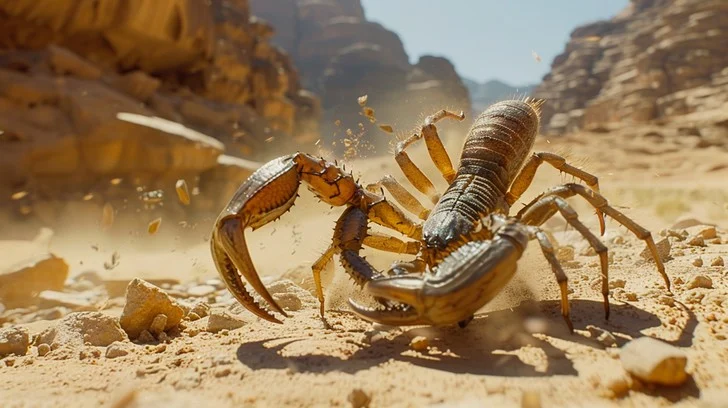
meatthesavages.com – Scorpions, those ancient arachnids with their characteristic curved tails and venomous stingers, have captivated human imagination for millennia. These fascinating creatures, found in diverse habitats across the globe, play important ecological roles and possess unique adaptations for survival. This article delves into the intricate world of scorpions, exploring their diverse anatomy, fascinating behaviors, ecological significance, and complex relationship with humans.   

An Ancient Lineage: Scorpiones and Their Relatives

Scorpions belong to the order Scorpiones within the class Arachnida, making them relatives of spiders, mites, and ticks. Their fossil record dates back over 430 million years, making them one of the oldest terrestrial arthropod groups. This ancient lineage has allowed them to adapt to a wide range of environments.   

Physical Characteristics: Adapted for Predation and Defense

Scorpions possess several distinctive physical features:

  • Cephalothorax and Abdomen: Their bodies are divided into two main segments: the cephalothorax (fused head and thorax) and the segmented abdomen.   
  • Pedipalps: Large, pincer-like appendages used for capturing and manipulating prey, as well as defense.   
  • Four Pairs of Legs: Enabling quick movement and precise control.   
  • Metasoma (Tail): The characteristic curved tail, ending in a venomous stinger (telson).   
  • Pectines: Comb-like sensory organs on the underside of the body, used for detecting vibrations and chemical cues.   

Venom and Stinging: A Powerful Defense Mechanism

Scorpion venom is a complex mixture of toxins that varies in potency depending on the species:   

  • Neurotoxins: Affect the nervous system, causing pain, paralysis, or even death in some cases.   
  • Cytotoxins: Damage cells and tissues.

Scorpions use their sting primarily for defense and subduing prey. While most scorpion stings are painful but not life-threatening to humans, some species possess highly potent venom that can be dangerous, particularly to children and the elderly.   

Habitat and Distribution: Thriving in Diverse Environments

Scorpions are found on every continent except Antarctica, inhabiting a wide range of habitats:   

  • Deserts and Arid Regions: Their primary habitat, where they are well-adapted to harsh conditions.   
  • Tropical Rainforests: Some species thrive in humid tropical environments.
  • Grasslands and Woodlands: Found in more temperate regions as well.
  • Subterranean Habitats: Some species live in caves and burrows.   

Behavior and Diet: Nocturnal Predators

Scorpions are primarily nocturnal predators, emerging at night to hunt:   

  • Insects and Other Arthropods: Their primary food source.   
  • Spiders, Centipedes, and Other Scorpions: Larger species may prey on other arachnids and even small vertebrates.   

They use their pedipalps to capture prey and their stinger to subdue it.

Reproduction and Life Cycle: Complex Courtship and Parental Care

Scorpion reproduction involves elaborate courtship rituals:

  • Complex Dances: Males perform intricate dances to attract females.
  • Spermatophore Transfer: The male deposits a spermatophore (sperm packet) on the ground, which the female then picks up.   
  • Viviparous or Ovoviviparous: Most species are viviparous (giving birth to live young) or ovoviviparous (eggs hatch inside the mother).   
  • Maternal Care: The mother carries the young on her back until their first molt.   

Ecological Role: Important Predators in Ecosystems

Scorpions play a crucial role in maintaining ecological balance:

  • Predator Control: They help regulate populations of insects and other arthropods.
  • Food Source for Predators: They serve as prey for various predators, such as birds, mammals, and reptiles.   

Scorpions and Humans: A Mixture of Fear and Fascination

The relationship between humans and scorpions is complex:

  • Fear and Aversion: Many people have a fear of scorpions due to their venomous sting.   
  • Medical Significance: Scorpion venom is of medical interest for its potential use in developing new drugs.   
  • Cultural Significance: Scorpions appear in various mythologies and folklore.

Conservation Status and Threats: Generally Stable Populations

Most scorpion species are not currently considered threatened, but they still face some challenges:

  • Habitat Loss and Degradation: Habitat destruction due to human activities can negatively impact scorpion populations.   
  • Over-Collection for the Pet Trade: Some species are collected for the pet trade, which can threaten local populations.   

Conclusion: Respecting the Scorpion’s Ancient Legacy

Scorpions, with their ancient lineage, unique adaptations, and important ecological roles, are a fascinating and integral part of the natural world. While their venomous sting warrants caution, understanding their complex lives and appreciating their contributions to ecosystems can foster a greater respect for these ancient and armored creatures.

Unveiling “The Grey Seal” by Richard Marsh

meatthesavages.com – “The Grey Seal” is a thrilling novel by Richard Marsh, a prolific author best known for his supernatural thriller “The Beetle.” While “The Grey Seal” may not be as widely recognized as some of his other works, it offers readers a gripping tale of crime, mystery, and intrigue. This article explores the captivating elements of this lesser-known novel.

A Tale of Crime and Mystery

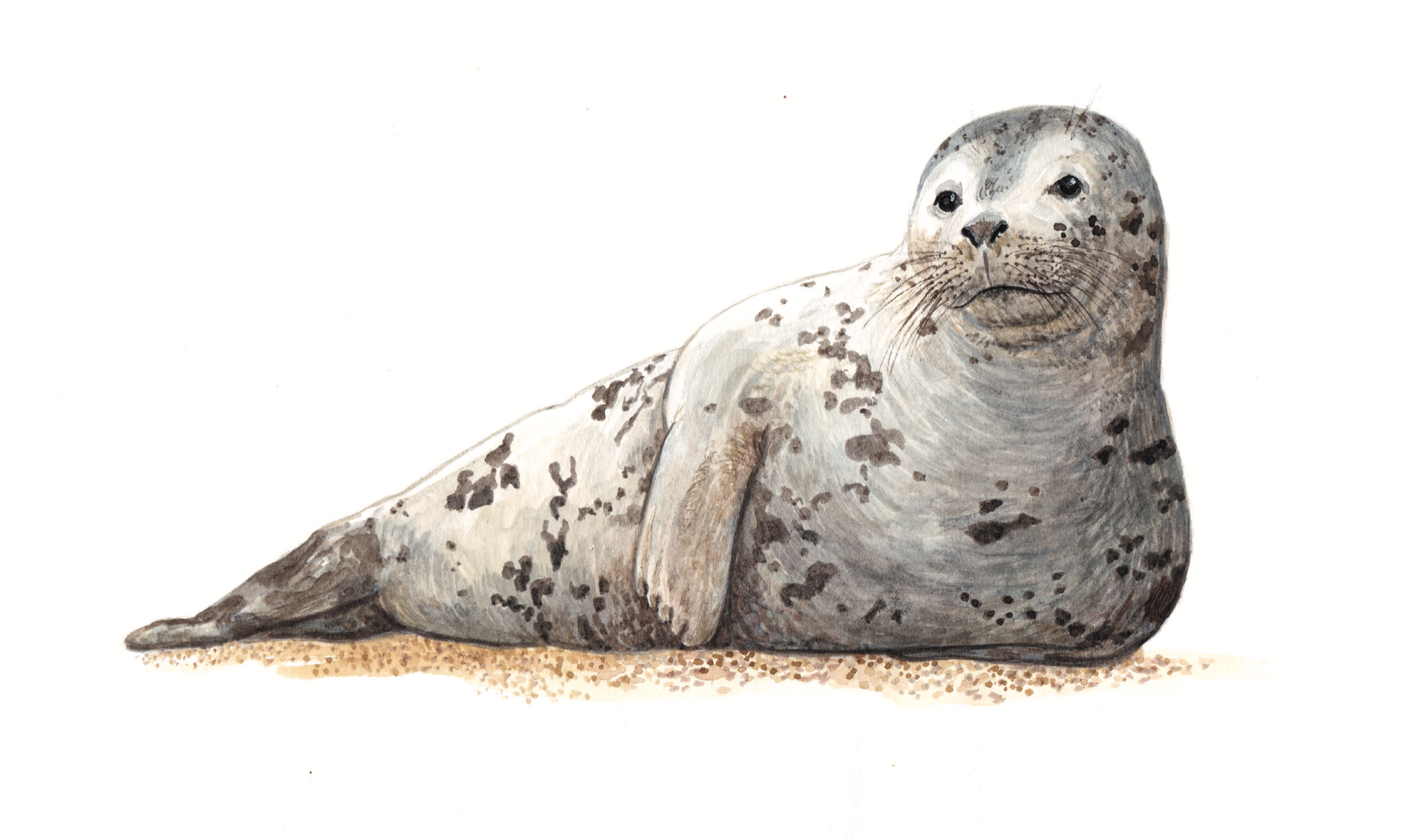
“The Grey Seal” is centered around a master criminal known only by his alias, the Grey Seal. This enigmatic figure is notorious for his daring heists and the ability to elude capture, leaving behind only a grey seal as his calling card. The novel’s plot weaves a complex web of suspense as the authorities attempt to unmask and apprehend this elusive thief.

Richard Marsh’s Storytelling

Richard Marsh’s storytelling prowess shines in “The Grey Seal,” as he crafts a narrative filled with unexpected twists and turns. His ability to create tension and maintain suspense keeps readers engaged from start to finish. The novel is a testament to Marsh’s skill in blending elements of crime fiction with a touch of mystery and suspense.

Themes and Characters

The novel delves into themes of identity, deception, and morality. The Grey Seal, as a character, embodies the duality of human nature—charming and intelligent, yet morally ambiguous. The supporting characters, including detectives and accomplices, are well-developed and contribute to the richness of the story. Marsh’s exploration of these themes adds depth to the narrative, making it more than just a simple crime story.

Impact and Legacy

While “The Grey Seal” may not have achieved the same level of fame as Marsh’s other works, it remains a noteworthy contribution to the genre of crime fiction. The novel’s intricate plot and memorable characters have left a lasting impression on readers and continue to be appreciated by fans of classic mystery and crime stories.

Conclusion

“The Grey Seal” by Richard Marsh is a captivating and well-crafted novel that offers readers a thrilling journey into the world of crime and mystery. Through his masterful storytelling and compelling characters, Marsh delivers a story that is both entertaining and thought-provoking. For those interested in exploring classic crime fiction, “The Grey Seal” is a hidden gem worth discovering.

King of the Jungle: The Majestic Lion

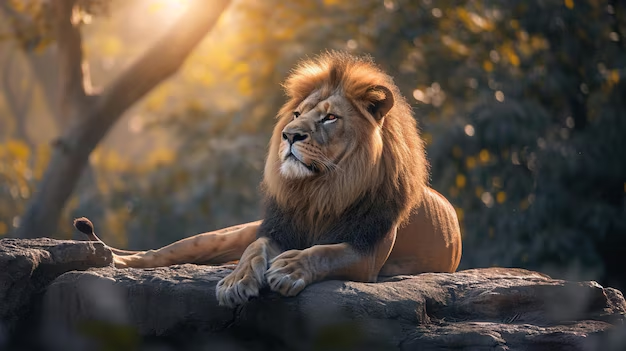
meatthesavages.com – The lion, often referred to as the “King of the Jungle,” is a symbol of strength, courage, and majesty. Despite its moniker, lions are not typically found in jungles but rather in the grasslands and savannas of Africa and a few parts of Asia. This article delves into the fascinating world of lions, exploring their behavior, their role in ecosystems, and the challenges they face in the wild.

The Lion’s Domain

Lions are apex predators, meaning they sit at the top of the food chain in their respective environments. They are most commonly associated with the African savanna, where they play a crucial role in maintaining the balance of the ecosystem. In Asia, the Asiatic lion is found in the Gir Forest of India, a remnant population of what was once a widespread species across the continent.

Social Structure

One of the most distinctive features of lions is their social structure. They live in groups known as prides, which typically consist of several adult females, their cubs, and a few adult males. This social system is unique among cats and contributes to their success as predators and their ability to defend their territory against rivals.

Hunting and Diet

Lions are carnivorous and primarily hunt large ungulates such as zebras, wildebeest, and buffalo. Hunting is usually done by the females, who work together to stalk and ambush their prey. The success of a hunt depends on the coordination and strength of the pride members.

Conservation Challenges

Despite their regal status, lions face numerous threats in the wild. Habitat loss, human-wildlife conflict, and poaching are the main factors contributing to the decline of lion populations. Conservation efforts are crucial to protect these majestic animals and ensure their survival for future generations.

Conclusion

The lion’s reign as the “King of the Jungle” is a testament to its power and influence in the animal kingdom. However, the challenges they face in the wild remind us of the importance of conservation and the need to coexist with these magnificent creatures. By understanding and appreciating the lion’s place in nature, we can work towards a future where humans and wildlife can thrive together.