Wolfsbane Flower: A Beautiful Yet Toxic Flower with a Rich History

meatthesavages.com – Wolfsbane (Aconitum), also known as monkshood or helmet flower, is a striking and iconic plant that has captivated gardeners and herbalists for centuries. With its beautiful blue, purple, or white flowers shaped like a hood, Wolfsbane is an attractive addition to many gardens, especially in shaded or woodland areas. However, despite its stunning appearance, Wolfsbane is highly toxic and should be handled with caution. This plant has a rich cultural history, appearing in folklore, mythology, and traditional medicine. Whether admired for its beauty or feared for its potency, Wolfsbane remains an intriguing and complex flower.

Appearance and Characteristics

Wolfsbane is a perennial plant that typically grows between 3 and 6 feet (1 to 2 meters) in height, with some varieties reaching even taller heights under optimal growing conditions. It features deeply lobed, dark green leaves that grow in a basal rosette and along the stems. These leaves are often described as “hand-shaped,” with finely serrated edges.

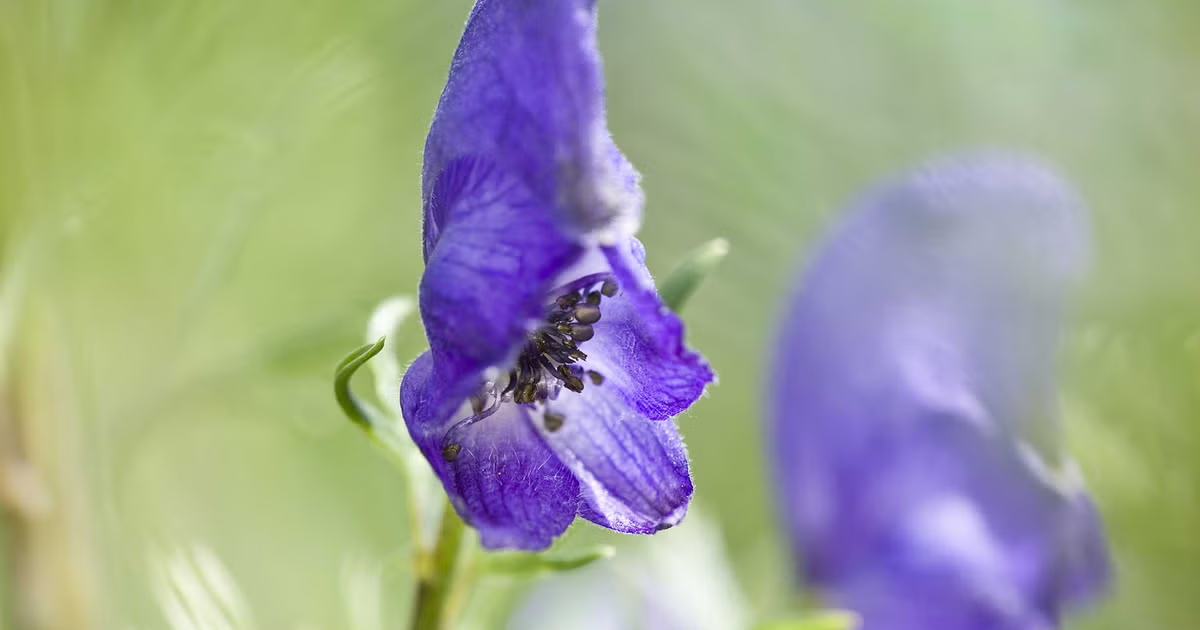
The flowers are the most striking feature of Wolfsbane. They grow in dense clusters atop tall, slender stems and are generally blue or purple, though some varieties can have white or yellowish blooms. The individual flowers have a distinct shape, resembling a hood or helmet, which is why Wolfsbane is also known as monkshood. The flower clusters bloom from mid-summer to fall, depending on the climate and growing conditions.

The plant’s distinctive flowers, coupled with its height and bushy foliage, make it an eye-catching addition to gardens, especially in shaded or woodland settings. However, due to its toxicity, it is important to plant Wolfsbane with caution, especially in areas where children or pets might be present.

Toxicity and Caution

One of the most important factors to understand about Wolfsbane is its toxicity. All parts of the plant, including the leaves, flowers, and roots, contain potent alkaloids such as aconitine. These compounds are highly toxic and can cause severe poisoning if ingested or even if the plant’s juices come into contact with broken skin.

Symptoms of Wolfsbane poisoning can include nausea, vomiting, diarrhea, dizziness, weakness, irregular heartbeat, and in severe cases, death. Even handling the plant without proper protection, such as gloves, can be dangerous. It is essential to exercise extreme caution when planting or working with Wolfsbane. For this reason, it is not recommended for gardens with young children or pets that may be tempted to taste the flowers or leaves.

Despite its toxicity, Wolfsbane has been historically used in small, controlled doses for medicinal purposes, though its use is now highly restricted due to the risk of poisoning. It is best to appreciate this flower for its beauty while being aware of its potential dangers.

Growing and Caring for Wolfsbane

Wolfsbane is a hardy perennial that grows well in cool, moist environments. It thrives in USDA hardiness zones 3 through 8 and prefers partially shaded to full-shade areas, making it a perfect plant for woodland gardens or areas with dappled sunlight. Here are some tips for growing Wolfsbane in a safe and controlled manner:

  1. Light Requirements: Wolfsbane prefers partial to full shade. While it can tolerate some sunlight, it grows best in shaded conditions where it can avoid the intense heat of full sun, which can cause wilting or stunted growth. A location with morning sunlight and afternoon shade is ideal.
  2. Soil: This plant prefers moist, well-drained, fertile soil that is slightly acidic to neutral. It thrives in soil that is rich in organic matter, and adding compost to the planting area can improve soil quality. Wolfsbane does not tolerate dry or poor soil conditions, so regular watering is necessary to keep the soil consistently moist.
  3. Watering: The plant requires consistent moisture to grow well, especially during the growing season. Be sure to water deeply, keeping the soil around the roots moist but not soggy. In particularly dry periods, additional watering may be required to maintain optimal growing conditions.
  4. Temperature and Humidity: Wolfsbane prefers cooler temperatures and higher humidity levels, making it well-suited for temperate climates. While it is hardy and can tolerate frost, it does not thrive in hot, dry climates. If growing in warmer regions, consider providing some afternoon shade to protect the plant from the intense heat.
  5. Fertilization: Wolfsbane benefits from occasional feeding with a balanced, slow-release fertilizer, applied in the spring as new growth begins. However, excessive fertilization should be avoided, as this can lead to overly lush growth at the expense of flowering. Organic fertilizers such as compost or well-rotted manure are often the best options for feeding the plant.
  6. Pruning: To encourage healthy growth and maintain the plant’s shape, it is a good idea to prune dead or damaged stems and leaves. Additionally, cutting back spent flowers after they bloom can help the plant conserve energy for next year’s growth. If you want to prevent self-seeding, it is also recommended to remove the seed pods before they mature.

Uses and Cultural Significance

Although Wolfsbane is highly toxic, it has been historically valued for its medicinal and cultural uses. In ancient times, it was used as a poison, as well as a remedy for ailments such as fever, pain, and inflammation. It was also employed by hunters to poison wolves and other predators, which is how it got its name. This practice gave Wolfsbane a dark reputation in folklore, with the plant often associated with witches and sorcery.

In many cultures, Wolfsbane has been linked to mythological stories of werewolves. The plant was believed to be an effective deterrent against werewolves, and it was often included in charms, potions, and amulets. It was also thought to be a symbol of protection, particularly in medieval Europe, where it was sometimes planted near homes to ward off evil spirits or supernatural forces.

Despite its dangerous reputation, Wolfsbane is still grown in gardens today, largely for its beauty and its association with traditional folklore. It is also occasionally used in the production of homeopathic remedies, although its use is highly regulated due to its toxicity.

Pests and Problems

Wolfsbane is relatively pest-resistant, but it can occasionally face issues with aphids, slugs, and snails. These pests may feed on the plant’s leaves, causing minimal damage, but they are usually not a major threat. If pests are an issue, you can use insecticidal soap or natural deterrents to protect the plant.

The plant can also be susceptible to fungal diseases, such as powdery mildew, especially in humid conditions. Ensuring good air circulation and avoiding overhead watering can help reduce the risk of fungal infections. If fungal problems arise, removing affected foliage and treating the plant with a fungicide can help manage the issue.

Conclusion

Wolfsbane is a stunning and captivating plant that has a rich cultural history and striking appearance. With its hood-shaped flowers and tall, bushy growth, it makes a dramatic addition to any garden, especially in shaded or woodland areas. However, it is crucial to remember that Wolfsbane is highly toxic and should be handled with great care. While the plant’s toxic properties make it unsuitable for gardens with children or pets, its beauty and unique features make it an intriguing and enigmatic addition to gardens for those who are aware of the risks. Whether grown for its folklore associations, medicinal history, or sheer aesthetic appeal, Wolfsbane remains a flower that commands respect and admiration from gardeners and horticulturists alike.
Spring Starflower: A Delightful Early Bloomer in Your Garden

meatthesavages.com – The Spring Starflower (Ipheion uniflorum) is a charming and delicate perennial that graces gardens with its star-shaped blooms in early spring. Known for its lovely, fragrant flowers, this plant is a favorite among gardeners who seek to add color and interest to their landscapes during the cooler months. Native to South America, particularly Argentina and Uruguay, the Spring Starflower has made its way into gardens around the world due to its low-maintenance nature, striking appearance, and ability to thrive in a variety of conditions.

Physical Characteristics of Spring Starflower

The Spring Starflower is a bulbous perennial that typically grows between 6 to 12 inches in height, making it a perfect choice for rock gardens, borders, or containers. The plant forms dense clumps of narrow, grass-like leaves that emerge in the early spring and provide a lush, green backdrop for the flowers. These leaves are slender, strappy, and have a soft texture, contributing to the overall delicate appearance of the plant.

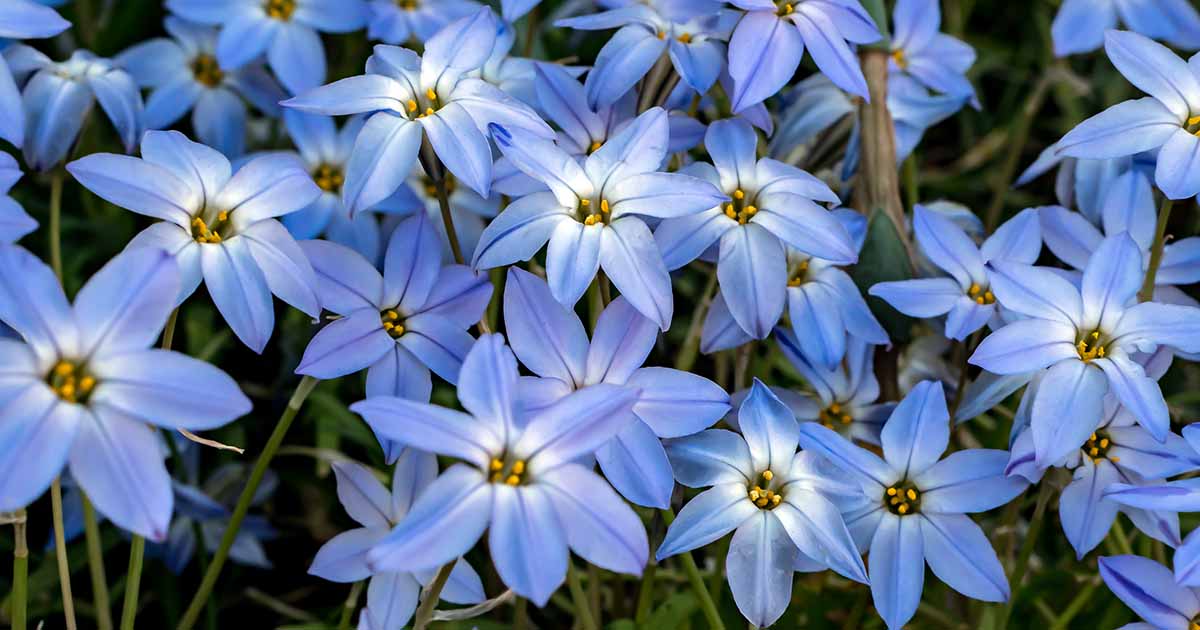
The standout feature of the Spring Starflower is its beautiful star-shaped flowers. Each flower consists of six petals that radiate outward, creating a star-like shape that can range from 1 to 2 inches in diameter. The flowers appear in shades of pale blue, lavender, or white, often with a darker central stripe or eye, adding depth and interest to the bloom. The flowers are not only visually appealing but also emit a light, sweet fragrance that attracts pollinators such as bees and butterflies.

Spring Starflowers typically bloom in early to mid-spring, often as one of the first flowers to emerge after the winter thaw. The blooms last for several weeks, brightening up gardens and landscapes as the weather begins to warm. After flowering, the leaves die back and the plant goes into a dormant phase, conserving energy for the next growing season.

Growing Conditions and Care

Spring Starflowers are easy to grow and require minimal maintenance, making them an excellent choice for both beginner and experienced gardeners. They thrive in a variety of garden conditions, from full sun to partial shade, and are well-suited to a range of soil types, provided they are well-draining. This versatility makes them a valuable addition to many different garden styles, from cottage gardens to modern landscapes.

  1. Light: Spring Starflowers perform best in full sun, where they can receive at least 6 hours of direct sunlight each day. However, they can also tolerate light shade, especially in hotter climates, where some afternoon shade can protect the plant from scorching.
  2. Soil: Well-drained soil is essential for the Spring Starflower, as it is prone to rot in overly wet conditions. It can tolerate a range of soil types, from sandy to loamy, but prefers slightly acidic to neutral pH levels. Incorporating organic matter into the soil can help improve drainage and provide nutrients for healthy growth.
  3. Watering: These flowers are relatively drought-tolerant once established, but they perform best with regular watering during their growing and blooming seasons. Water deeply when the soil feels dry, but avoid over-watering, as this can lead to bulb rot. After the flowering period, reduce watering as the plant enters dormancy.
  4. Fertilization: Spring Starflowers generally do not require heavy fertilization. However, applying a balanced, slow-release fertilizer in early spring can encourage healthy growth and vibrant blooms. Over-fertilizing may result in excessive foliage growth at the expense of flowers, so it’s important to follow the manufacturer’s instructions.
  5. Planting: The Spring Starflower is typically grown from bulbs, which should be planted in the fall, about 3 to 4 inches deep, and spaced 4 to 6 inches apart. Planting in groups of 10 or more bulbs can create a more dramatic effect and ensure that the flowers form a cohesive display. The bulbs should be planted in well-draining soil to prevent waterlogged conditions, which can cause them to rot.
  6. Division: Over time, the bulbs may multiply and create a dense clump of plants. Dividing the bulbs every 3 to 4 years can help maintain their health and ensure that the plants continue to bloom vigorously. This is best done in late summer, once the foliage has died back, and the bulbs are in a dormant state.

Ecological Role of Spring Starflower

The Spring Starflower plays an important role in supporting early-season pollinators, particularly bees, which are attracted to its sweet fragrance and colorful blooms. By planting Spring Starflowers in your garden, you can help provide a food source for these essential pollinators as they emerge from their winter hibernation.

Additionally, the plant is often used in landscaping to attract beneficial insects that help control pests. Its bright flowers also add early-season beauty to gardens, making it a valuable contributor to the overall ecosystem and aesthetic appeal of the garden.

Varieties of Spring Starflower

While the species Ipheion uniflorum is most commonly found in gardens, there are a few cultivars and variations that offer slight differences in flower color and size. Some notable varieties include:

  • Ipheion uniflorum ‘Alberto Castillo’: Known for its deep blue, star-shaped flowers and its larger, more robust growth habit.
  • Ipheion uniflorum ‘White Star’: This variety features pure white flowers with a subtle yellow center, offering a softer, more elegant appearance.
  • Ipheion uniflorum ‘Rolf Fiedler’: A cultivar that boasts pale lavender-blue flowers and is particularly fragrant, making it a favorite for gardeners who enjoy aromatic plants.

These varieties provide options for gardeners who are looking to experiment with different flower colors and growth habits, though all offer the same basic charm and ease of care.

Uses in Landscaping

Spring Starflowers are versatile and can be used in various landscaping applications. Some common uses include:

  • Rock Gardens: Their compact size and early blooming season make Spring Starflowers an ideal choice for rock gardens, where they can provide color and texture during the transition from winter to spring.
  • Borders and Edging: These flowers work well as part of garden borders or as edging plants, where their low-growing habit and vibrant colors can create a striking visual effect.
  • Containers and Hanging Baskets: Due to their small size, Spring Starflowers are perfect for planting in containers, pots, or hanging baskets, where they can be moved around the garden or patio for seasonal display.
  • Wildlife Gardens: Planting Spring Starflowers as part of a wildlife garden helps support pollinators, including bees and butterflies, making them an excellent choice for eco-friendly gardens.
  • Mass Plantings: Planting large swaths of Spring Starflowers creates a beautiful, carpet-like effect, especially when grown in groups or drifts. Their vivid colors and early bloom make them particularly striking when planted in mass.

Conclusion

The Spring Starflower is a delightful and easy-to-grow plant that brings early-season beauty and fragrance to gardens. With its star-shaped flowers, vibrant colors, and ability to thrive in a variety of conditions, it’s a perfect addition for gardeners looking to brighten up their landscapes in the spring. Whether planted in rock gardens, borders, or containers, the Spring Starflower provides a simple yet stunning way to celebrate the arrival of warmer weather and support early-season pollinators. Its charming blooms and minimal care requirements make it a favorite among gardeners of all skill levels.

Queen Anne’s Lace: A Delicate and Timeless Wildflower

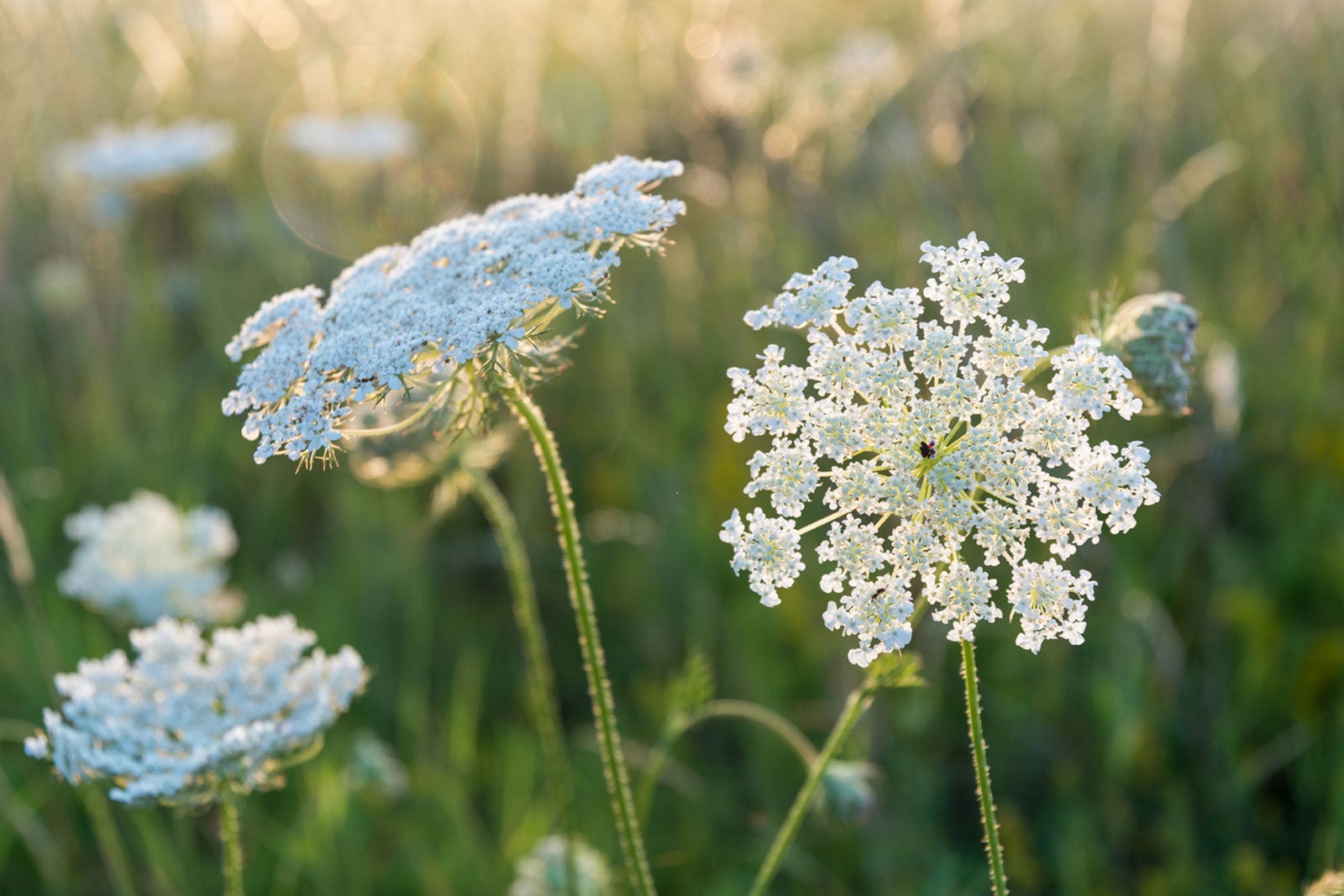
meatthesavages.com – Queen Anne’s Lace (Daucus carota), also known as Wild Carrot, is a beautiful and distinctive wildflower that has been captivating gardeners and naturalists for centuries. This delicate flower, native to Europe and parts of Asia, has spread across North America and is often seen growing in fields, meadows, and along roadsides. With its lacy, intricate flower head and soft white blooms, Queen Anne’s Lace has earned its place as a favorite in both wildflower gardens and natural landscapes. Known for its airy, feathery appearance and its ties to both folklore and culinary uses, this plant is both an ornamental beauty and a part of cultural history.

Physical Characteristics

Queen Anne’s Lace is an herbaceous biennial or short-lived perennial that typically grows between 2 to 3 feet (60 to 90 cm) tall, with a spread of around 12 to 18 inches (30 to 45 cm). The plant’s feathery, fern-like leaves are a deep green and are often deeply divided, giving the plant a delicate, lace-like appearance. The flowers are arranged in a flat, umbrella-shaped cluster called an “umbel,” measuring about 4 to 6 inches (10 to 15 cm) across. Each umbel consists of hundreds of tiny, white flowers, with a single deep purple or red flower often found in the center. This distinctive central flower is said to be the “Queen Anne’s” mark, giving the plant its name.

The plant blooms from mid-summer to early fall, attracting a wide range of pollinators, including bees, butterflies, and hoverflies. The flowers eventually give way to small, spiny seed heads that resemble a bird’s nest, which continue to provide interest throughout the autumn months.

Growing Conditions

Queen Anne’s Lace is a hardy and adaptable plant that thrives in well-drained soil, including sandy, loamy, and even somewhat dry soil. It prefers full sun to partial shade and can tolerate a variety of soil types, making it well-suited for natural landscapes and wildflower meadows. The plant grows best in areas with moderate moisture, though it is relatively drought-tolerant once established.

Queen Anne’s Lace is often grown from seeds, which can be directly sown in the soil after the last frost in the spring or in the fall. The seeds require light to germinate, so they should not be buried deeply. Once the plant is established, it will continue to reseed itself year after year, often naturalizing and spreading in meadows, fields, and gardens. While it may take a year or two to fully mature and bloom, the plant’s ability to self-seed ensures its continued presence in the landscape.

Uses in Gardening and Landscaping

Queen Anne’s Lace is a lovely addition to wildflower gardens, naturalized areas, and cottage-style landscapes. It pairs beautifully with other native wildflowers, such as Black-eyed Susans, Coneflowers, and Shasta daisies, creating a soft, naturalistic look. The plant’s airy, lacy appearance makes it an ideal choice for adding texture to garden borders or mixed perennial beds. Queen Anne’s Lace also works well in meadow gardens or xeriscaping, where its drought tolerance and ability to thrive in poorer soils are valued.

The flowers can also be used as cut flowers in floral arrangements, where their delicate, white blooms add a touch of wild beauty to bouquets. The plant’s long, thin stems and feathery foliage provide an elegant, natural touch to garden vases. Its ability to self-seed means that gardeners can enjoy continuous blooms in subsequent years without the need for replanting.

Culinary and Medicinal Uses

Although Queen Anne’s Lace is primarily valued for its ornamental beauty, it has been used historically for both culinary and medicinal purposes. The young roots of the plant are edible and are said to resemble the flavor of carrots, hence its common name, Wild Carrot. In the past, the roots were harvested for use in soups, stews, and herbal teas, though they must be carefully identified, as Queen Anne’s Lace closely resembles the toxic plant, Poison Hemlock. It’s important to never consume the roots unless they have been properly identified by an expert.

In herbal medicine, Queen Anne’s Lace has been used in traditional remedies for a variety of ailments, including digestive issues, urinary problems, and as a diuretic. The plant has a history of being used to relieve menstrual cramps, promote menstrual flow, and as a mild laxative. However, like with any herbal remedy, it is important to consult with a healthcare professional before using Queen Anne’s Lace for medicinal purposes.

Ecological Importance

Queen Anne’s Lace plays an important role in supporting pollinators. Its flat, umbrella-like flower heads are easily accessible to bees, butterflies, and other beneficial insects, which rely on the plant for nectar and pollen. By attracting a variety of pollinators, Queen Anne’s Lace contributes to the overall health of the local ecosystem, making it a valuable plant for biodiversity.

Additionally, its deep taproot allows Queen Anne’s Lace to grow in a variety of soil types, including poor or dry soils, and it can help to stabilize soil and prevent erosion in areas where other plants may struggle to thrive. As a self-seeding plant, it also helps to maintain a constant presence in the landscape, offering valuable habitat for small insects and birds.

Conclusion

Queen Anne’s Lace is a timeless wildflower that combines beauty, ecological benefits, and historical significance. With its delicate, lace-like flowers and ability to thrive in a variety of growing conditions, it’s an excellent choice for gardeners looking to add natural charm and biodiversity to their landscapes. Whether used in wildflower gardens, meadows, or cottage-style plantings, Queen Anne’s Lace provides a soft, airy texture and long-lasting visual appeal. Its culinary and medicinal uses, along with its role in supporting pollinators and promoting soil health, make it a valuable addition to any garden or natural area.

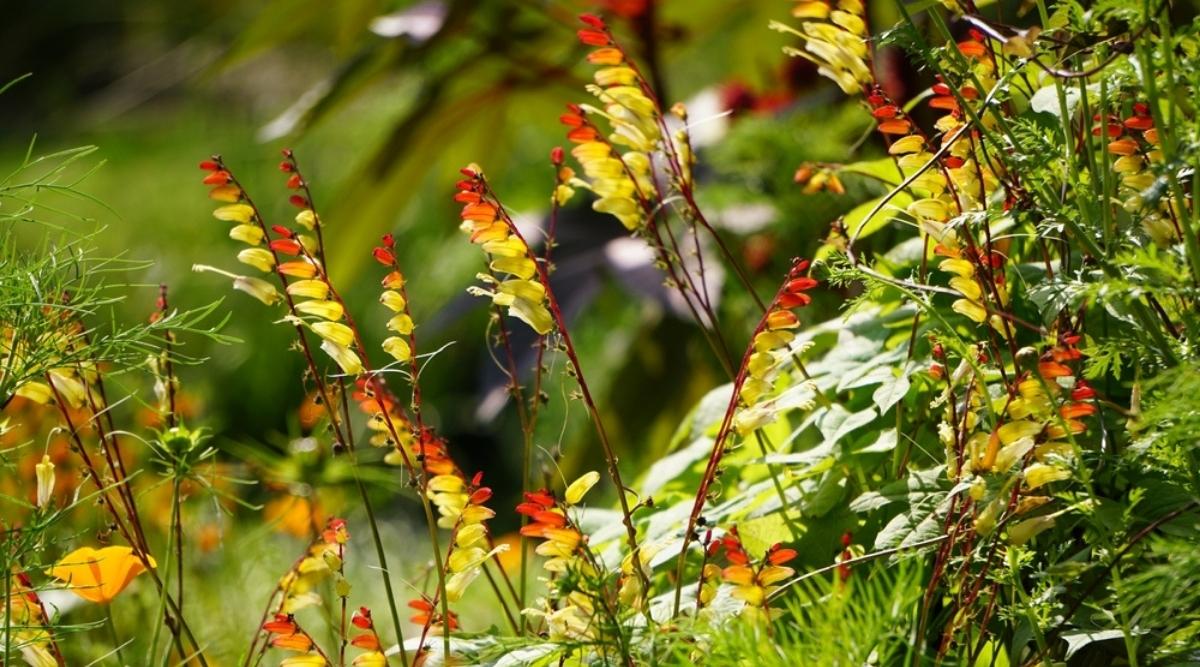
Mini Lobata: A Vibrant & Compact Flower for Your Garden

meatthesavages.com – Mini Lobata (Lobelia erinus) is a stunning flowering plant known for its profuse blooms and compact size. With its trailing habit, vibrant colors, and long blooming period, Mini Lobata makes a perfect addition to hanging baskets, window boxes, and container gardens. Often referred to as “trailing lobelia” or “basket lobelia,” this hardy annual is beloved for its ability to provide a cascade of colorful flowers throughout the warmer months, transforming gardens into vibrant displays of beauty.

Origins and Habitat

Native to Southern Africa, Mini Lobata thrives in warm, sunny climates, making it a popular choice for gardeners in temperate regions. It is commonly grown as an annual in cooler climates, where it is planted in the spring after the last frost date and allowed to bloom until the first frost of the fall season.

Mini Lobata is a versatile plant that can grow in a variety of garden settings. While it prefers full sun, it can also tolerate partial shade, especially in hotter climates. It thrives in well-drained, moist soil, making it an excellent choice for containers, hanging baskets, and flower beds.

Characteristics and Varieties

Mini Lobata is a low-growing, spreading plant that typically reaches a height of 4 to 6 inches and can spread up to 12 to 18 inches wide. Its compact size makes it an ideal choice for small spaces, containers, and hanging baskets, where it can spill over the edges with its vibrant flowers.

The plant’s flowers are small, trumpet-shaped, and come in a variety of colors, including blue, white, pink, purple, and red. These colorful blooms are densely packed along the trailing stems, creating a lush, cascading effect. Mini Lobata has a long blooming period, often lasting from late spring to early fall, and it blooms profusely during this time, providing a constant source of color.

Some popular varieties of Mini Lobata include:

  • ‘Blue Fountain’: A variety with striking blue flowers that create a waterfall effect in containers and hanging baskets.
  • ‘Cascade’: Known for its vibrant purple and blue blooms, this variety is perfect for adding a bold splash of color to any garden.
  • ‘White Fountain’: A more delicate variety with pure white flowers that can complement other bright colors in mixed plantings.

Growing Mini Lobata

Mini Lobata is relatively easy to grow and care for, making it a favorite among gardeners of all experience levels. It thrives in full sun but can tolerate light shade, especially in regions with hot summers. This plant prefers well-drained, moist soil, and while it is not particularly picky about soil quality, it performs best in soil that is rich in organic matter.

To grow Mini Lobata, you can start seeds indoors 6 to 8 weeks before the last expected frost date or purchase young plants from a nursery. If starting from seed, sow the seeds in a shallow container and cover them lightly with soil, as they need light to germinate. Once the seedlings are ready for transplanting, move them outdoors after the threat of frost has passed.

When planting Mini Lobata in containers or hanging baskets, make sure to use a high-quality potting mix with good drainage to prevent waterlogging. The plant can also be grown in garden beds, where it will spread and fill in spaces with its lush, trailing growth habit. Space the plants about 6 to 8 inches apart to give them room to grow and spread.

Watering and Fertilizing

Mini Lobata requires consistent moisture, especially during hot and dry periods. It is important to water the plant regularly to keep the soil moist but not soggy, as excessive moisture can lead to root rot. When growing in containers, be sure that the containers have adequate drainage to prevent water from accumulating at the bottom.

To encourage healthy growth and abundant blooms, Mini Lobata benefits from regular feeding. A balanced, water-soluble fertilizer can be applied every 2 to 3 weeks during the growing season to promote vigorous growth and continuous flowering. Avoid over-fertilizing, as this can lead to excessive foliage growth at the expense of flowers.

Pruning and Maintenance

Mini Lobata is a low-maintenance plant, but it can benefit from some periodic care to ensure it continues to thrive and produce a profusion of blooms. Deadheading spent flowers is a good way to encourage the plant to continue flowering throughout the growing season. Simply pinch off the faded blooms to keep the plant looking tidy and prevent it from putting energy into seed production.

In addition to deadheading, pruning back any leggy or overgrown stems will help maintain a compact, bushy shape. Pruning can be done in early summer or whenever the plant starts to look untidy. Removing any damaged or diseased stems will also help the plant maintain its health and vigor.

Wildlife and Pollinator Benefits

Mini Lobata is a great plant for attracting pollinators, including bees, butterflies, and hummingbirds. Its vibrant, nectar-rich flowers draw these beneficial insects, making it a valuable addition to any pollinator-friendly garden. By planting Mini Lobata alongside other pollinator-friendly plants, you can create a colorful and buzzing oasis that supports local wildlife.

The small, trumpet-shaped flowers are especially appealing to hummingbirds, which are attracted to the bright colors and sweet nectar. The plant’s cascading growth habit also provides shelter and hiding spots for beneficial insects, adding to the biodiversity of your garden.

Symbolism and Significance

In the language of flowers, Lobelia is often associated with love and affection. Its delicate, bell-shaped blooms symbolize devotion and fidelity, making it a lovely choice for adding a sentimental touch to gardens and floral arrangements.

Mini Lobata’s ability to bloom continuously throughout the growing season also makes it a symbol of endurance and resilience. The plant’s vibrant, persistent flowers are a reminder of the beauty that can be found in even the smallest of blooms.

Mini Lobata in Garden Design

Mini Lobata is incredibly versatile in garden design, making it suitable for a wide variety of settings. Its trailing habit makes it an ideal plant for hanging baskets, containers, and window boxes, where it can spill over the edges and create a lush, colorful display. The plant’s compact size also makes it perfect for filling small spaces, such as balcony gardens or courtyard planters.

In garden beds, Mini Lobata can be used as ground cover, where its spreading growth habit fills in empty spaces and adds a burst of color. It pairs well with other sun-loving plants, such as petunias, geraniums, and verbena, to create a vibrant, mixed planting that is sure to attract attention.

Mini Lobata’s long blooming period also makes it a great choice for extending the color in your garden through the summer and into fall. Whether planted in containers, hanging baskets, or garden beds, Mini Lobata is sure to add charm, beauty, and a touch of elegance to your outdoor space.

Conclusion

Mini Lobata is a charming and versatile flowering plant that brings beauty and color to any garden. With its compact size, vibrant blooms, and trailing habit, it is an ideal choice for hanging baskets, window boxes, and containers. Easy to grow and care for, Mini Lobata is a low-maintenance plant that provides a continuous display of flowers throughout the growing season. Whether used in small spaces, as part of a mixed container, or as a ground cover, Mini Lobata adds a burst of color and elegance to your garden, making it a favorite among gardeners looking to create a lively and vibrant outdoor space.

Hydrangea Flower: A Timeless Favorite for Every Garden

meatthesavages.com – Hydrangeas are among the most beloved and versatile flowering plants, adored for their large, showy blooms and diverse range of colors. With their ability to thrive in various climates and soil conditions, hydrangeas have become a staple in gardens worldwide. These vibrant flowers are not only prized for their beauty but also for their symbolism of love, understanding, and heartfelt emotion. In this article, we will explore the characteristics, growing conditions, varieties, and care tips for hydrangeas, making them an excellent choice for gardeners of all levels.

Characteristics of the Hydrangea Flower

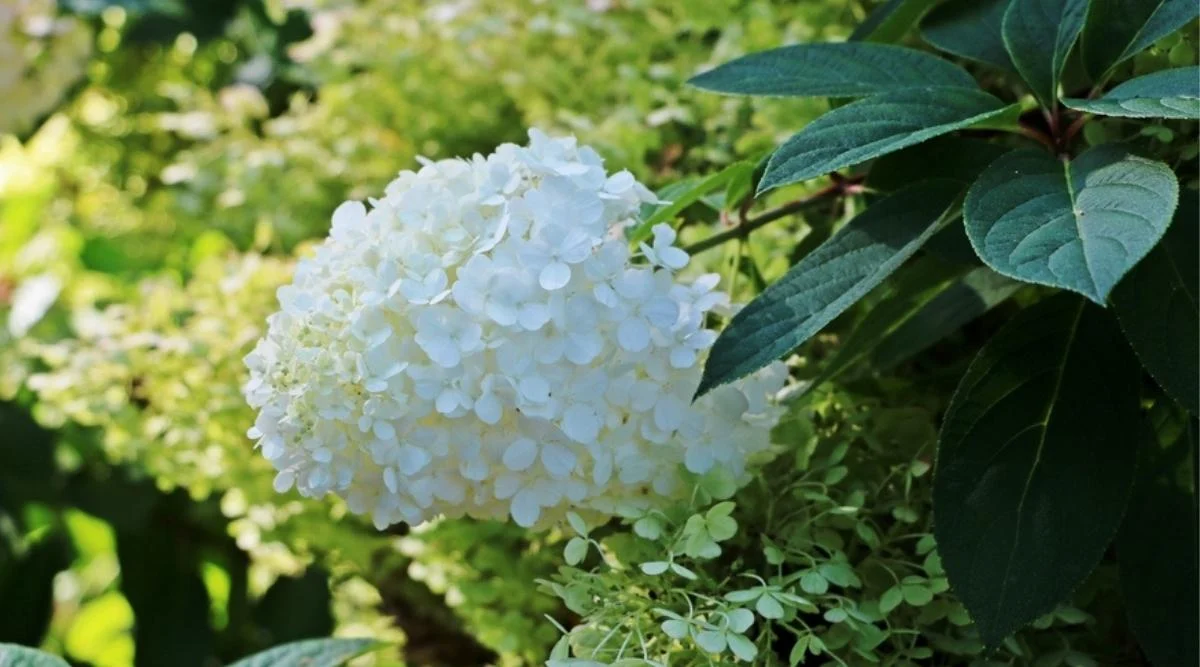
Hydrangeas are deciduous shrubs known for their stunning flower clusters, which vary in shape, size, and color. The flowers are typically arranged in large, rounded or conical clusters, with each individual bloom being relatively small but collectively forming a dense, captivating display. Hydrangea flowers come in a wide range of colors, including shades of white, pink, blue, purple, and even green, depending on the species and growing conditions.

The leaves of hydrangeas are typically broad, dark green, and serrated, providing a lush backdrop to the colorful blooms. The plants can range in size from compact shrubs to large, tree-like specimens, depending on the variety. Hydrangeas bloom from late spring to fall, with the peak flowering season occurring in summer.

One of the most intriguing aspects of hydrangeas is their ability to change color depending on soil pH. For example, in acidic soils (pH below 6), hydrangea flowers tend to be blue, while in alkaline soils (pH above 7), they appear pink. This characteristic adds an extra layer of versatility and customization to hydrangea gardening.

Ideal Growing Conditions

Hydrangeas are relatively easy to grow and can thrive in a variety of climates. However, to ensure they produce vibrant blooms and remain healthy, there are a few key growing conditions to keep in mind:

  • Sunlight: Hydrangeas prefer partial sun, though some varieties can tolerate full sun, especially in cooler climates. In warmer regions, hydrangeas benefit from some afternoon shade, which helps protect their delicate blooms from sunburn.
  • Soil: These plants prefer moist, well-drained soil that is rich in organic matter. Hydrangeas thrive in slightly acidic to neutral soil, but their ability to change flower color based on soil pH makes them adaptable to a variety of soil types. To adjust the color of the flowers, gardeners can amend the soil with sulfur (to lower pH and make blooms blue) or lime (to raise pH and make blooms pink).
  • Watering: Hydrangeas have relatively high water needs, especially during hot, dry periods. Keep the soil consistently moist, but avoid waterlogging, which can lead to root rot. Mulching around the base of the plant helps retain moisture and keep the roots cool.
  • Temperature: Hydrangeas are hardy in USDA zones 3 to 9, depending on the variety. They perform best in moderate temperatures, with some varieties capable of tolerating colder winters while others flourish in milder climates. It’s important to choose a variety suited to your region’s climate for optimal growth.
  • Fertilizing: Hydrangeas benefit from regular fertilization, especially in the spring before new growth begins. A balanced, slow-release fertilizer will encourage strong growth and abundant blooms. However, be cautious not to over-fertilize, as this can lead to excessive foliage growth at the expense of flowers.

Varieties of Hydrangea Flowers

Hydrangeas come in several species and cultivars, each offering different bloom shapes, sizes, and color variations. Some of the most popular types of hydrangeas include:

  1. Bigleaf Hydrangea (Hydrangea macrophylla): Known for its large, rounded flower heads, Bigleaf hydrangeas are often found in shades of blue, pink, and purple. They are the most common hydrangeas grown in gardens and are prized for their ability to change color depending on soil pH.
  2. Panicle Hydrangea (Hydrangea paniculata): Panicle hydrangeas have cone-shaped flower clusters that can range in color from white to pink. They are more tolerant of sun and dry conditions than other types and are often used as foundation plants or accent shrubs in landscapes.
  3. Smooth Hydrangea (Hydrangea arborescens): This species features rounded clusters of white or pink flowers and is known for its hardiness and ability to grow in both sun and shade. The cultivar ‘Annabelle’ is particularly famous for its large, white flower heads.
  4. Oakleaf Hydrangea (Hydrangea quercifolia): With deeply lobed, oak-shaped leaves, this species of hydrangea is known for its unique foliage as well as its large, cone-shaped clusters of white to pink flowers. Oakleaf hydrangeas are also valued for their stunning fall color, which can range from red to purple.
  5. Climbing Hydrangea (Hydrangea anomala petiolaris): This vining variety of hydrangea is ideal for growing on fences, trellises, or walls. It features white, lace-cap flowers and can tolerate both sun and shade.

Each type of hydrangea offers its own unique characteristics, making it important to choose the variety that best fits your garden’s aesthetic and growing conditions.

Benefits of Growing Hydrangea Flowers

Hydrangeas are more than just visually stunning plants—they offer a range of benefits to gardeners and landscapers:

  • Ornamental Appeal: Hydrangeas are known for their impressive, colorful blooms that make them a focal point in any garden. Their large flower clusters and diverse color palette add beauty and texture to flower beds, borders, and containers.
  • Long Blooming Season: Hydrangeas typically bloom for several months during the growing season, providing extended color and visual interest in the garden. With proper care, hydrangeas can provide fresh blooms from early summer to fall.
  • Pollinator-Friendly: Hydrangeas attract pollinators such as bees, butterflies, and hummingbirds, making them an excellent addition to a pollinator garden. Their large, nectar-rich flowers provide food for these beneficial insects.
  • Versatility in Landscaping: Hydrangeas are incredibly versatile and can be used in a variety of landscape designs. They work well as specimen plants, hedges, or foundation plants and can even be grown in containers on patios and balconies.

Creative Garden Uses

The hydrangea flower’s vibrant colors and large blooms make it perfect for a variety of creative garden uses:

  • Flower Beds and Borders: Hydrangeas are an excellent choice for filling in flower beds or creating colorful borders along walkways or garden paths. Their bold, large blooms provide visual impact and texture when combined with other flowering plants like roses, peonies, or daylilies.
  • Shade Gardens: Some varieties of hydrangeas, particularly Bigleaf and Oakleaf hydrangeas, thrive in shady spots. These plants can brighten up darker corners of the garden and add layers of beauty to woodland or shade gardens.
  • Cut Flowers: Hydrangeas make stunning cut flowers, and their large, dense flower heads are perfect for bouquets. They can be used in both fresh and dried arrangements, adding color and elegance to any floral display.
  • Hedge Planting: With their dense foliage and upright growth habit, hydrangeas make ideal hedging plants for creating privacy screens or defining garden spaces. Their flowers provide a soft, colorful touch to otherwise green hedges.

Conclusion

Hydrangeas are timeless, elegant flowers that offer both beauty and versatility in the garden. With their large, colorful blooms, fragrant flowers, and ability to thrive in a variety of conditions, hydrangeas have earned their place as one of the most beloved ornamental plants. Whether used in flower beds, containers, or as part of a pollinator garden, hydrangeas provide long-lasting visual appeal and attract beneficial insects. By understanding their growing needs and selecting the right variety, you can enjoy these stunning flowers in your garden for years to come.

The Delicate Flannel Flower: A Soft Touch of Beauty

meatthesavages.com – The Flannel Flower (Actinotus helianthi) is a unique and delicate flower native to Australia, known for its soft, woolly texture and elegant, star-shaped blooms. This charming flower stands out for its ability to combine beauty with a gentle, almost velvety touch. The Flannel Flower has become increasingly popular as both a garden plant and a cut flower due to its stunning appearance and ease of care. It thrives in well-drained soils and a sunny environment, making it ideal for a variety of garden settings.

What Makes the Flannel Flower Special?

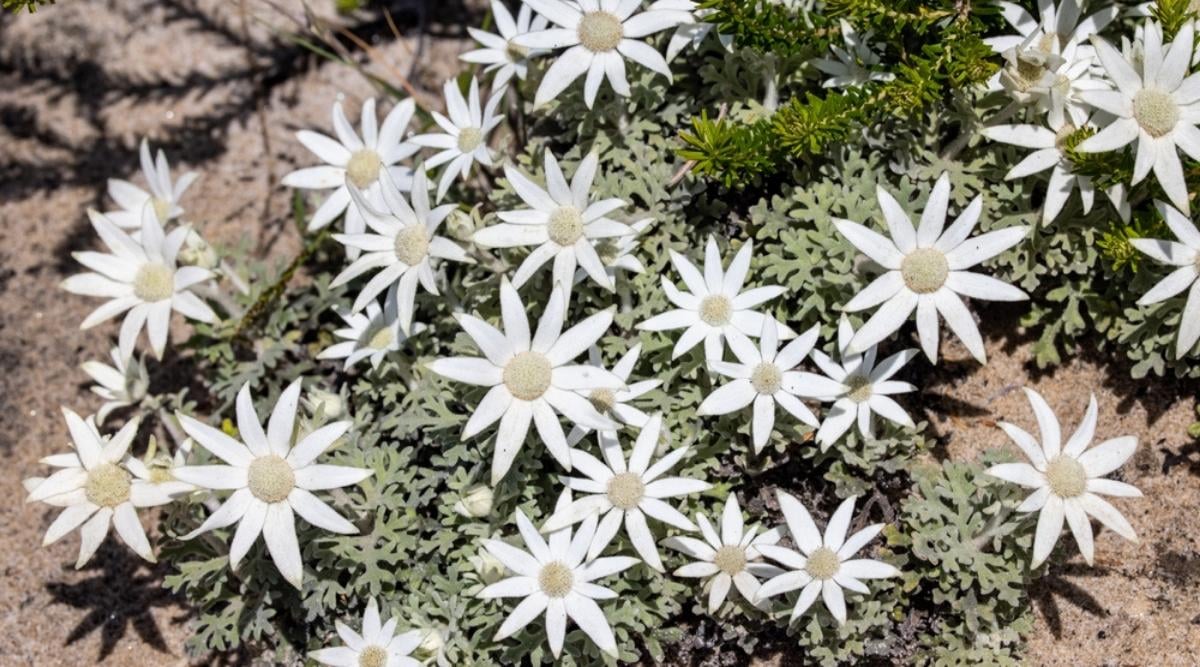
The Flannel Flower is a member of the Apiaceae family and is renowned for its striking, white or pale pink flowers, which resemble delicate stars with a fuzzy, felt-like texture. These flowers are typically about 2 to 3 inches in diameter and are arranged in clusters on tall, slender stems. The plant’s name comes from the soft, flannel-like texture of its flowers and leaves, which gives it a unique and appealing tactile quality.

Flannel Flowers are also known for their ability to bloom in the most challenging conditions, thriving in dry, rocky soils and tolerating periods of drought. Their resilience, combined with their stunning blooms, makes them a favorite among gardeners looking for a low-maintenance yet beautiful addition to their landscape.

Key Features of the Flannel Flower

  • Soft, Woolly Texture: The most distinctive feature of the Flannel Flower is its soft, velvety texture, which gives the blooms and leaves an almost flannel-like feel. This texture adds a unique dimension to the flower’s appearance, making it a standout in any garden or floral arrangement.
  • Star-Shaped Blooms: The Flannel Flower produces star-shaped blooms, typically white or pale pink, with delicate petals that form a soft, radiating pattern. The flowers are held on long stems and appear in clusters, creating a striking visual display.
  • Resilient and Drought-Tolerant: Flannel Flowers are known for their resilience, thriving in dry, rocky soils and requiring minimal water once established. Their drought tolerance makes them an excellent choice for water-wise gardens or low-maintenance landscapes.
  • Attracts Pollinators: The Flannel Flower is a favorite among pollinators such as bees and butterflies, making it an excellent addition to any pollinator-friendly garden.

Symbolism of the Flannel Flower

The Flannel Flower is often associated with purity, simplicity, and beauty. Its soft, delicate appearance evokes a sense of tranquility and calm, and it is sometimes seen as a symbol of gentleness and natural beauty. In Australia, the Flannel Flower is often regarded as an iconic representation of the country’s wildflowers, and it holds cultural significance in the regions where it grows.

Growing the Flannel Flower

Flannel Flowers are relatively easy to grow, though they do require specific conditions to thrive. Here are some tips for cultivating this lovely flower:

  • Sunlight: Flannel Flowers prefer full sun but can tolerate partial shade. For the best results, plant them in a location that receives at least 6 hours of direct sunlight each day. In shady areas, they may still bloom but may be less vigorous.
  • Soil: These flowers thrive in well-drained, sandy or rocky soils. They do best in soils that are slightly acidic to neutral. Heavy, clay-like soils can lead to poor drainage and root rot, so it is important to ensure good soil aeration and drainage.
  • Watering: While Flannel Flowers are drought-tolerant once established, they require regular watering during the initial growth phase. Water the plants deeply but allow the soil to dry out between waterings. Overwatering can cause the plant to become susceptible to root rot.
  • Fertilizing: Flannel Flowers are low-maintenance and do not require heavy fertilizing. A light application of balanced fertilizer in the spring is sufficient to promote healthy growth. Avoid over-fertilizing, as this can lead to excessive foliage growth at the expense of flowers.
  • Pruning: Pruning is generally not necessary for Flannel Flowers, but deadheading spent blooms can help encourage continuous flowering. Cut back any leggy or damaged stems to maintain a tidy appearance.

Uses of the Flannel Flower

  • Ornamental Plant: Flannel Flowers are an excellent choice for ornamental gardens, adding a soft, delicate touch to any landscape. They work well in cottage gardens, wildflower meadows, or as part of a native plant garden. Their low-maintenance nature makes them suitable for those looking to create a beautiful garden with minimal effort.
  • Cut Flowers: Due to their unique texture and striking appearance, Flannel Flowers make beautiful cut flowers. Their long-lasting blooms can be used in bouquets, floral arrangements, or as part of a dried flower display.
  • Pollinator Gardens: Flannel Flowers are excellent for attracting pollinators like bees, butterflies, and birds. By planting these flowers, gardeners can support local wildlife and create a thriving, biodiversity-friendly environment.
  • Water-Wise Gardens: Flannel Flowers are drought-tolerant and thrive in dry conditions, making them perfect for water-wise or xeriscaped gardens. They are an ideal choice for those looking to conserve water while still enjoying vibrant, beautiful blooms.

Conclusion

The Flannel Flower is a beautiful and resilient plant that brings a soft, delicate touch to gardens and floral arrangements. Its star-shaped, woolly blooms and drought-tolerant nature make it a perfect choice for low-maintenance gardens, water-wise landscapes, or native plant collections. Whether grown for its ornamental value, as a cut flower, or to attract pollinators, the Flannel Flower is a wonderful addition to any garden or home. Its elegance and simplicity make it a timeless symbol of natural beauty and tranquility.

Common Gorse Flower: The Bright and Hardy Wildflower

meatthesavages.com – The Common Gorse (Ulex europaeus) is a striking and resilient shrub native to Europe and parts of Asia, known for its vibrant yellow flowers and its ability to thrive in harsh conditions. Often referred to as whin or furze, common gorse is a member of the Fabaceae family, and it is well-regarded for its hardiness and wild beauty. The gorse plant is commonly found in heathlands, coastal areas, and scrublands, where it forms dense, spiny bushes that add a burst of color to the landscape. This hardy plant is not only known for its striking visual appeal but also for its important role in local ecosystems.

Botanical Description

The Common Gorse is a sprawling shrub that typically grows between 3 to 6 feet (1 to 2 meters) in height. It has spiny, needle-like leaves that are a distinctive feature of the plant, providing it with a defensive structure against herbivores. These sharp, evergreen needles remain throughout the year, giving the plant its year-round structure and appearance.

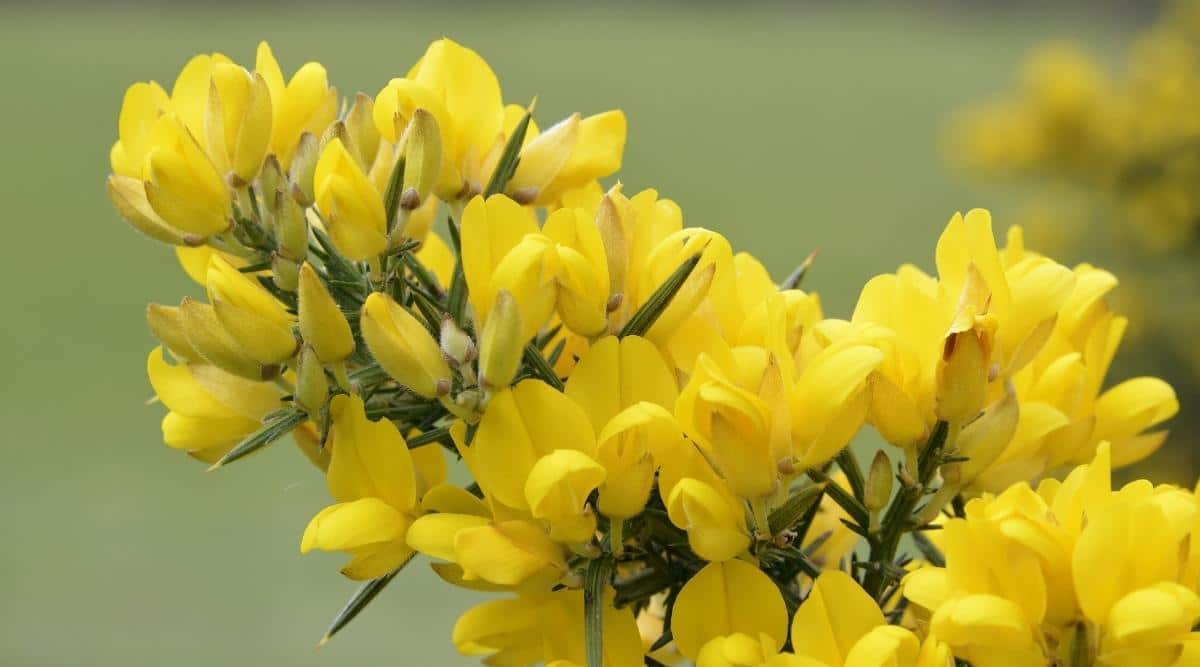
The most striking aspect of the gorse is its bright yellow flowers, which appear in profusion from late winter to early spring. The flowers are small, typically around 1 inch (2.5 cm) across, and resemble those of the pea family with their butterfly-like petals. The flowers are highly aromatic, emitting a coconut-like fragrance that makes them unmistakable during their blooming period. Common gorse is capable of flowering multiple times throughout the year, depending on the climate, but it tends to peak in early spring.

After blooming, the gorse produces flat, brown seed pods that contain numerous small seeds. These seeds are often dispersed by the wind, and the plant is capable of rapidly colonizing open areas, which makes it both a pioneer species and an invasive plant in some regions.

Habitat and Growth Conditions

The Common Gorse is highly adaptable and thrives in a wide range of environments. It is often found in coastal areas, heathlands, moorlands, and scrublands, where it can withstand poor soils, wind, and salt spray. Gorse is particularly well-suited to acidic soils, and it often grows in areas that are too inhospitable for many other plants.

In the wild, gorse can be seen growing in sunny and open spaces, where it forms dense thickets. The plant is highly tolerant of dry conditions and can even survive during droughts once established. However, it does best with regular rainfall and a moderate climate.

Gorse is commonly found in temperate regions and grows naturally in areas with a Mediterranean-type climate, such as parts of the UK, Ireland, Spain, and Portugal. It is a hardy shrub that can survive in a wide variety of conditions, ranging from cold, wet winters to hot, dry summers.

Cultivation and Care

Growing Common Gorse can be a rewarding experience, especially for gardeners who wish to cultivate a low-maintenance, drought-tolerant shrub. Gorse is often used for wildflower gardens, hedgerows, or naturalistic landscapes, where it adds vibrant color and texture. Below are some essential tips for cultivating and caring for gorse:

  1. Planting: Gorse can be grown from seeds or cuttings. To start from seed, sow seeds in early spring in well-drained, acidic soil. It is important to soak the seeds for 24 hours before sowing to improve germination rates. Plant the seeds in a sunny spot and space them 2 to 3 feet apart to allow for their spreading growth. For propagation by cuttings, take semi-hardwood cuttings in late summer or early fall and root them in moist soil.
  2. Watering: While gorse is highly drought-tolerant once established, it benefits from regular watering during its early growth stages. Once the plant is established, water deeply during dry periods but avoid waterlogging, as gorse prefers well-drained soil.
  3. Fertilizing: Gorse does not require much fertilization, as it thrives in nutrient-poor soils. If desired, apply a balanced, slow-release fertilizer in early spring to encourage healthy growth. Avoid over-fertilizing, as this can lead to excessive leaf growth at the expense of flowers.
  4. Pruning: Gorse requires minimal pruning but can be trimmed back after blooming to maintain its shape. Pruning can also help manage the plant’s growth, especially in areas where it might become invasive. Removing dead or damaged branches is recommended to encourage new growth.
  5. Pest and Disease Control: Common gorse is relatively pest-resistant but may occasionally be affected by aphids or fungal diseases such as powdery mildew. Regular inspection and removal of any infected foliage can help maintain the health of the plant. Good air circulation and avoiding overcrowding will help prevent fungal issues.

Symbolism and Cultural Significance

The Common Gorse has significant cultural and historical importance in various regions. In ancient times, gorse was often associated with prosperity and good fortune due to its bright, golden flowers. Its resilience and ability to thrive in harsh conditions made it a symbol of strength and endurance.

In Celtic mythology, gorse was considered a symbol of protection, and its dense thickets were believed to shield people from evil spirits. The bright yellow flowers were also thought to represent the sun and were linked to the fertility of the earth. Gorse has also been used in traditional folklore as a magical plant, often planted around homes to bring good luck.

Additionally, gorse flowers are sometimes included in wedding bouquets in regions where the plant is native, symbolizing unity, loyalty, and the everlasting nature of love.

Ecological Benefits

The Common Gorse plays an important role in local ecosystems. As a pioneer plant, it helps to stabilize soil and prevent erosion in disturbed or barren areas. Its dense growth creates a sheltered environment for smaller plants and animals, making it a valuable plant for supporting biodiversity.

Gorse is also an important source of nectar for a variety of pollinators, including bees, butterflies, and moths. The fragrant flowers attract these insects, which are vital for pollinating other wildflowers and crops. Additionally, gorse provides shelter for small mammals, birds, and other wildlife, contributing to the overall health of ecosystems.

Ornamental Uses

Common gorse is often used as an ornamental plant in wildflower gardens and natural landscapes. Its bright yellow flowers add a cheerful burst of color to open spaces and scrubby areas, making it an excellent choice for creating hedgerows, privacy screens, or boundary plantings. The plant’s ability to thrive in poor soils and tolerate difficult growing conditions makes it ideal for low-maintenance gardens.

Gorse is also used in erosion control and land reclamation projects, where its deep root system helps stabilize loose or degraded soil. In addition, its ability to grow in coastal environments makes it a useful plant for stabilizing dunes and coastal habitats.

Conclusion

The Common Gorse is a vibrant, hardy shrub that offers beauty and practical benefits to gardens and natural landscapes alike. With its bright yellow flowers, resilience in tough conditions, and important role in supporting pollinators and wildlife, gorse is a valuable plant for gardeners and ecologists. Whether planted for its beauty, its ecological benefits, or its cultural significance, the common gorse is a symbol of strength, endurance, and natural resilience.

California Poppy: A Bright Symbol of the Golden State

meatthesavages.com – The California Poppy (Eschscholzia californica) is one of the most iconic wildflowers of North America, renowned for its vibrant orange blooms that dot the landscapes of California and beyond. Known as the state flower of California, the California Poppy is a hardy, drought-tolerant plant that thrives in a variety of environments, from the rolling hills of the California coast to the arid deserts of the Southwest. This striking flower’s simple beauty and resilience make it a favorite in gardens, meadows, and naturalized landscapes.

Appearance and Characteristics

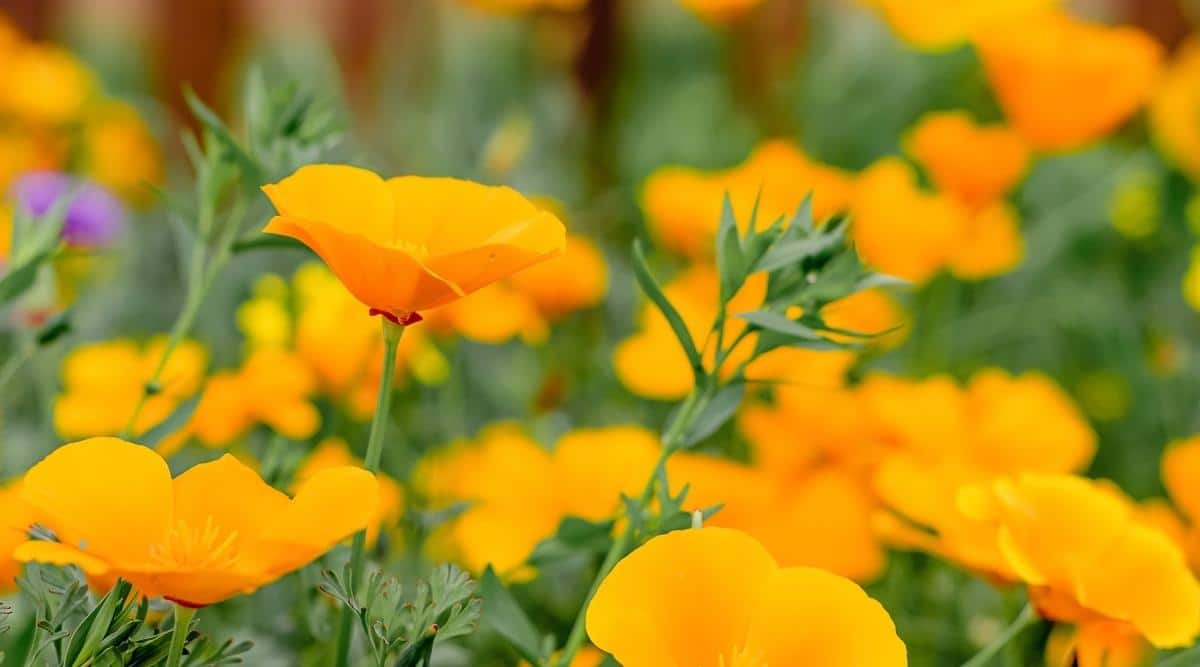
California Poppy is a low-growing, herbaceous perennial (though often grown as an annual) that typically reaches a height of 12 to 18 inches (30 to 45 cm). The plant has a delicate yet resilient structure, with finely divided, fern-like foliage that provides a soft, lacy texture. The leaves are blue-green in color, which contrasts beautifully with the bright, cup-shaped flowers that emerge during the spring and summer months.

The California Poppy’s flowers are perhaps its most distinctive feature. They are typically orange, although some varieties can also bloom in shades of yellow, red, or even white. The petals are silky and slightly crinkled, giving the flowers a delicate, almost papery appearance. Each flower consists of four petals, and the plant produces blooms in clusters at the ends of long stems, creating a vibrant and cheerful display.

The California Poppy’s flowers typically open during the day and close in the evening, a characteristic behavior known as “nyctinasty,” which helps protect the plant’s delicate blooms from the cooler temperatures of the night. The flowers are also known to close up when it’s overcast or raining, adding to their charm as they respond to environmental conditions.

Growing Conditions and Care

Native to the western United States, the California Poppy thrives in areas that experience a Mediterranean climate, with mild, wet winters and hot, dry summers. However, it has become widely cultivated in gardens across the world, thanks to its drought tolerance and ability to adapt to a variety of growing conditions.

California Poppy grows best in well-drained, sandy or loamy soil. It is not particularly picky about soil type but does not tolerate overly rich, heavy, or clay-like soil. The plant prefers full sun, where it can bask in the warm rays of the day and produce an abundance of blooms. While it is tolerant of drought, it does require adequate moisture during its germination and early growth stages.

Once established, California Poppy is very drought-tolerant and thrives in dry conditions, making it an ideal plant for xeriscaping or low-water gardens. The plant does not need regular watering, and in fact, excessive moisture can lead to root rot or other issues. In areas with regular rainfall, it is best to ensure the plant is in well-drained soil to prevent waterlogging.

California Poppy is a relatively low-maintenance plant, though it does benefit from a little attention during the growing season. Fertilization is typically unnecessary, as the plant does well in nutrient-poor soils. Over-fertilizing can lead to excessive foliage growth at the expense of flowers. For the best results, it is advised to sow California Poppy seeds directly in the soil, as the plant has a long taproot and does not transplant well.

When growing from seed, it is important to sow the seeds in the fall or early spring, as they require a period of cold stratification to germinate effectively. The seeds should be lightly covered with soil, as they need light to sprout. Once the plants are established, they can be left to self-seed and spread naturally, creating beautiful patches of poppies year after year.

Benefits and Uses

The California Poppy is prized for its ornamental beauty and its ability to brighten up gardens and landscapes with its bold, cheerful flowers. It is often used in wildflower meadows, mixed borders, and as a ground cover, where it creates a natural, carefree aesthetic. Its low-growing habit and vibrant color make it a fantastic addition to cottage gardens, pollinator gardens, and dry gardens that prioritize sustainability.

In addition to its ornamental value, the California Poppy is also known for its ability to attract pollinators, especially bees and butterflies. Its brightly colored flowers serve as a beacon for these beneficial insects, which are crucial for the health of ecosystems. The plant’s nectar is a rich food source for pollinators, and its presence can help support local biodiversity.

Beyond its ecological benefits, the California Poppy has been used in traditional medicine for centuries. While not as widely utilized as other medicinal plants, it is believed to have mild sedative properties and has been used to treat conditions like insomnia, anxiety, and pain. However, it should be used with caution and under the guidance of a healthcare professional, as the plant can be toxic in large amounts.

California Poppy also has practical applications in gardening. It is an excellent choice for erosion control, as its deep taproot helps stabilize soil and prevent soil erosion in areas with sandy or loose soil. It is also a beneficial companion plant for other flowers, as it can help deter pests and provide a habitat for beneficial insects.

Symbolism and Cultural Significance

The California Poppy holds significant cultural and symbolic meaning, particularly in the state of California, where it is celebrated as the state flower. It is often associated with the beauty and natural diversity of the California landscape, and its bright orange color has come to symbolize the state’s warm, sunny climate. The plant’s resilience in harsh, dry conditions also represents perseverance and adaptability, traits that are valued in the face of challenging circumstances.

In addition to its connection to California, the California Poppy has been used symbolically in art and literature. Its vibrant color and delicate beauty have made it a popular subject for paintings, photography, and poetry. The flower is often associated with themes of renewal, hope, and the fleeting nature of beauty, as its blooms last for only a short period before fading.

Conclusion

The California Poppy is a symbol of beauty, resilience, and the spirit of the Golden State. Its vibrant flowers, low-maintenance care, and ability to attract pollinators make it an ideal choice for gardeners looking to create a colorful, sustainable landscape. Whether planted in a wildflower meadow, container garden, or flower bed, the California Poppy brings a burst of cheerful color to any space.

This hardy and adaptable plant thrives in dry conditions and poor soils, making it an excellent addition to xeriscaping or low-water gardens. With its rich history, ecological value, and stunning appearance, the California Poppy is more than just a flower—it’s a symbol of the natural beauty that exists in the world around us. By planting this stunning bloom, gardeners can celebrate the vibrancy of nature while supporting local ecosystems and promoting sustainability.

Bee Balm: A Vibrant, Pollinator-Friendly Flower for Every Garden

meatthesavages.com – Bee Balm (Monarda didyma), also known as Oswego tea or bergamot, is a fragrant, colorful perennial plant that has earned its place in gardens across North America. Known for its unique, showy flowers and its ability to attract a wide range of pollinators, Bee Balm is an excellent choice for gardeners looking to create a vibrant, wildlife-friendly space. Whether planted in flower beds, wildflower gardens, or containers, Bee Balm brings both beauty and ecological value to any garden.

Key Features of Bee Balm

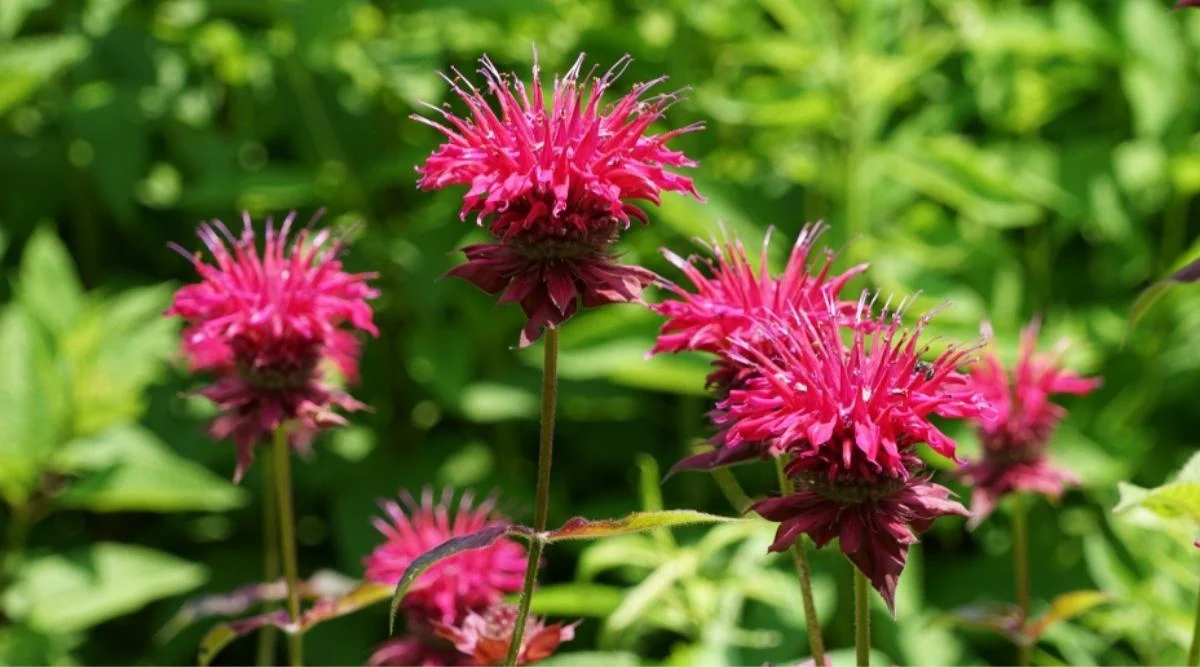
  1. Unique, Fragrant Flowers: The most striking feature of Bee Balm is its unusual, tubular flowers that bloom in a variety of vibrant colors, including red, pink, purple, and white. These flowers form clusters atop tall, sturdy stems and are characterized by their spiky, almost frayed appearance. Bee Balm flowers are also highly fragrant, emitting a sweet, spicy aroma that attracts not only pollinators but also gardeners who appreciate the sensory experience of a fragrant garden.
  2. Pollinator Magnet: As the name suggests, Bee Balm is a favorite of bees, but it also attracts a variety of other pollinators, including butterflies, hummingbirds, and moths. The nectar-rich flowers are especially attractive to native bee species and play an important role in supporting local pollinator populations. By planting Bee Balm, gardeners can help create a more biodiverse garden that provides valuable food sources for these important creatures.
  3. Attractive Foliage: In addition to its colorful blooms, Bee Balm has aromatic, lance-shaped leaves that form a bushy, attractive clump. The foliage is typically a rich green, although some varieties feature reddish or purple-hued stems. The leaves of Bee Balm are fragrant when crushed and can be used in herbal teas, making them an added bonus for gardeners interested in herbal gardening.
  4. Height and Texture: Bee Balm can grow between 2 to 4 feet tall, with some varieties reaching even higher. Its upright growth habit and branching stems give it a bushy, rounded appearance that works well in the middle or back of garden beds. The height and structure of Bee Balm make it an excellent plant for filling in gaps, creating borders, or adding vertical interest to flower gardens.
  5. Cultural Significance: Historically, Bee Balm has been used in herbal medicine by Native American tribes. The leaves and flowers were brewed into teas to treat ailments such as colds and digestive issues. The plant’s soothing, aromatic properties continue to make it popular in herbal remedies and culinary applications today.

Growing and Caring for Bee Balm

  • Sunlight: Bee Balm thrives in full sun to partial shade. While it will grow in partial shade, it produces the most vibrant flowers and lush foliage when planted in a location that receives at least 6 hours of sunlight each day. In regions with very hot summers, some afternoon shade can help protect the plant from the intense heat.
  • Soil: Bee Balm prefers moist, well-drained soil but can tolerate a variety of soil types, including clay and loamy soils. It grows best in slightly acidic to neutral soil, with a pH range between 6.0 and 7.0. Bee Balm benefits from the addition of organic matter such as compost, which improves soil structure and moisture retention.
  • Watering: Consistent moisture is key to growing healthy Bee Balm. The plant enjoys moist soil but should not be waterlogged. Be sure to water deeply during dry spells to keep the soil evenly moist. Drip irrigation or soaker hoses work well to avoid wetting the foliage, which can lead to fungal diseases. Once established, Bee Balm is relatively drought-tolerant, but regular watering during the growing season helps it perform best.
  • Temperature: Bee Balm is hardy in USDA zones 4-9, making it suitable for a wide range of climates. It is tolerant of both hot summers and cold winters, although it benefits from some winter protection in colder areas. In warmer climates, Bee Balm may require some afternoon shade to protect it from excessive heat. The plant is also tolerant of frost and will regrow in spring after the winter chill.
  • Fertilization: Bee Balm benefits from occasional feeding with a balanced, all-purpose fertilizer. A slow-release fertilizer applied in early spring will help promote healthy growth and abundant flowering. However, it is important not to over-fertilize, as this can lead to excessive leafy growth at the expense of flowers. Avoid high-nitrogen fertilizers, as they can encourage leaf production rather than blooms.
  • Pruning: Regular pruning is essential for maintaining the health and appearance of Bee Balm. To encourage bushier growth and prevent the plant from becoming leggy, pinch back the tips of the stems in early spring before new growth begins. Deadheading spent flowers can also help prolong the blooming period. In late fall, cut the plant back to about 6 inches to prepare it for winter. Bee Balm tends to spread by rhizomes, so dividing the plant every 2-3 years can help prevent overcrowding and rejuvenate growth.

Popular Uses of Bee Balm

  1. Pollinator Gardens: Bee Balm is a top choice for pollinator-friendly gardens, as its vibrant, nectar-rich flowers attract a wide range of pollinators. By planting Bee Balm, gardeners can provide valuable food sources for bees, butterflies, and other beneficial insects, helping to support local ecosystems.
  2. Wildflower Gardens: Bee Balm is a great addition to wildflower gardens, where its colorful blooms can be paired with other native plants. Its tall, spiky flowers add vertical interest and create a striking contrast with the lower-growing plants typically found in wildflower settings.
  3. Cottage Gardens: The relaxed, natural appearance of Bee Balm makes it a perfect fit for cottage-style gardens, where it can be paired with other perennial flowers like daisies, lavender, and coneflowers. Its bold color and texture make it a focal point in a mixed planting, adding both beauty and fragrance to the garden.
  4. Herb Gardens: Bee Balm’s fragrant leaves make it an excellent addition to herb gardens, where it can be grown for both its ornamental and culinary uses. The leaves and flowers can be used to make tea, which is said to have calming properties. Bee Balm also works well in kitchen gardens, where its aromatic foliage can be harvested for use in cooking.
  5. Containers and Window Boxes: Bee Balm can be grown in containers and window boxes, making it a great choice for small-space gardening. Its bright flowers add a splash of color to patios, balconies, and outdoor living areas. Be sure to provide a large enough container to accommodate its root system and use well-draining soil to prevent waterlogging.

Companion Plants for Bee Balm

Bee Balm pairs well with a variety of other plants, including:

  • Echinacea (Coneflower): The daisy-like flowers of Echinacea complement the spiky blooms of Bee Balm, creating a beautiful contrast in color and form.
  • Black-eyed Susan (Rudbeckia): The bright yellow flowers of Black-eyed Susan add a cheery contrast to the vibrant colors of Bee Balm.
  • Lobelia: The trailing flowers of Lobelia add a cascading effect that pairs beautifully with the upright growth of Bee Balm.
  • Shasta Daisy: The classic white flowers of Shasta Daisy look lovely next to the bold colors of Bee Balm, providing a balanced visual effect in the garden.

Conclusion

Bee Balm is a beautiful and versatile plant that adds both color and fragrance to any garden. Known for its unique, tubular flowers and its ability to attract a wide range of pollinators, Bee Balm is an excellent choice for gardeners who want to create a wildlife-friendly space. Whether planted in flower beds, herb gardens, or containers, Bee Balm offers beauty, ecological value, and fragrance that will enhance any garden. With its ease of care and wide range of uses, Bee Balm is a must-have for anyone looking to create a vibrant, pollinator-friendly landscape.