Dari Alergi hingga Jerawat: Peran Zinc dalam Mengatasi Masalah Kesehatan

Zinc bukan hanya mineral biasa. Tubuh memanfaatkan zinc untuk memperbaiki kerusakan sel, memperkuat sistem imun, dan mengendalikan peradangan. Karena itu, zinc berperan penting dalam mengatasi berbagai masalah kesehatan, mulai dari alergi hingga jerawat yang membandel.

Saat tubuh mengalami alergi, sistem imun bereaksi berlebihan terhadap zat asing yang sebenarnya tidak berbahaya. Zinc membantu menyeimbangkan respons imun ini. Dengan meningkatkan produksi sel T regulator, zinc mencegah tubuh bereaksi terlalu keras terhadap alergen. Akibatnya, gejala seperti gatal-gatal, bersin, dan ruam kulit dapat berkurang secara signifikan.

Selain itu, zinc menunjukkan kekuatan luar biasa dalam melawan jerawat. Ketika produksi minyak berlebih menyumbat pori-pori dan bakteri berkembang biak, kulit meradang dan jerawat pun muncul. Zinc mengurangi produksi minyak di kulit, melawan bakteri penyebab jerawat, dan mempercepat penyembuhan luka. Banyak slot bonanza  penelitian membuktikan bahwa orang yang rutin mendapatkan cukup zinc memiliki kulit yang lebih bersih dan lebih cepat pulih dari jerawat.

Tak hanya berhenti di situ, zinc juga membantu mengurangi peradangan kronis di dalam tubuh, memperbaiki jaringan yang rusak, dan memperkuat lapisan pelindung kulit. Oleh karena itu, banyak produk perawatan kulit dan suplemen kesehatan kini memasukkan zinc sebagai bahan aktif utama.

Untuk mendapatkan manfaat maksimal, Anda bisa mengonsumsi sumber zinc alami seperti daging tanpa lemak, kacang-kacangan, biji-bijian, dan produk olahan susu. Jika diperlukan, dokter dapat merekomendasikan suplemen zinc untuk mempercepat pemulihan berbagai kondisi kesehatan.

Dengan asupan zinc yang cukup, tubuh tidak hanya lebih tahan terhadap alergi, tetapi juga lebih mampu melawan jerawat dan mempercepat regenerasi kulit. Zinc membuktikan dirinya sebagai mineral penting yang bekerja diam-diam, namun membawa perubahan besar bagi kesehatan.

Kasha: A Traditional Ukrainian Grain Dish

meatthesavages.com – Kasha is a staple food in Ukrainian cuisine, made from buckwheat or other grains such as barley, millet, or oats. The dish is a versatile and nourishing meal, prepared in both savory and sweet variations. Whether served as a hearty side dish to accompany meat or transformed into a comforting dessert, kasha is a beloved comfort food that has stood the test of time in Ukrainian homes. With its rich history and nutritional value, kasha remains an integral part of daily life and festive meals alike.

The Types of Grains Used in Kasha

While buckwheat is the most common grain used to make kasha, the term can also refer to a dish made from other grains. Each variety offers distinct flavors and textures, allowing kasha to be adapted to suit different tastes and dietary needs:

  • Buckwheat (Grechka): Buckwheat is the most iconic grain for making kasha in Ukraine. Despite its name, it is not a wheat product but a pseudocereal related to rhubarb and sorrel. It has a slightly nutty flavor and a hearty texture, making it perfect for both savory and sweet dishes.
  • Barley: Barley kasha, made from pearled barley, is another popular choice. It has a chewy texture and is often used in savory preparations, sometimes cooked with mushrooms or meat.
  • Millet: Millet kasha is light and fluffy, often served as a sweet dish with milk and sugar or used as a savory side dish with vegetables and herbs.
  • Oats: Oats can also be used for kasha, though they are more commonly found in breakfast porridge in the form of oatmeal. However, in Ukraine, oats may be prepared as a savory kasha and paired with meats or vegetables.
  • Rice: Although less traditional, rice can be used in a kasha preparation, often served as a side dish or filling for stuffed vegetables or meats.

The Preparation of Kasha

Preparing kasha is simple and can vary depending on the type of grain and the desired result, but the basic method of preparation remains the same: the grains are rinsed, boiled, and cooked until tender. Here’s a basic guide on how to make kasha:

Step 1: Rinse the Grains

Start by rinsing the grains under cold water to remove any dust or debris. This is especially important for buckwheat, as it often contains small bits of hull that need to be washed away.

Step 2: Toast the Grains (Optional)

To enhance the nutty flavor of the kasha, many recipes call for toasting the grains before boiling. To do this, heat a dry pan over medium heat and toast the grains for a few minutes until they become fragrant. This step is particularly common with buckwheat and barley.

Step 3: Cook the Grains

Add the grains to a pot with water or broth. The general ratio is one part grain to two parts liquid, though this can vary depending on the type of grain. Bring the mixture to a boil, then reduce the heat and cover the pot. Allow the grains to simmer for 10-20 minutes, or until they are tender and the liquid has been absorbed. If using broth, this will add extra flavor to the dish.

Step 4: Fluff and Season

Once the grains are cooked, fluff them with a fork to separate the grains. Season with salt, butter, and pepper, or other herbs and spices, depending on whether you’re making a savory or sweet version.

Savory Kasha Variations

Kasha is often prepared as a savory dish and served alongside meats, stews, or vegetables. Some of the most common savory variations of kasha include:

  • Kasha with Mushrooms and Onions: A popular and hearty dish, this variation involves sautéing onions and mushrooms in butter and mixing them into the cooked grains. The savory umami flavor of the mushrooms pairs beautifully with the nutty taste of buckwheat or barley.
  • Kasha with Meat: Kasha is often served as a side dish with meat, such as pork, beef, or chicken. In some cases, the grains are cooked together with the meat, allowing the flavors to meld. It can be a simple dish of kasha with sautéed onions, or more elaborate versions may include roasted meats, gravy, or sausages.
  • Kasha with Vegetables: Kasha can also be made as a light, vegetarian dish by mixing the cooked grains with sautéed or roasted vegetables like carrots, peas, and cabbage. This is a great option for a fulfilling and nutritious meal, often enjoyed during Lent or other meatless days.
  • Kasha with Eggs: In some variations, kasha is mixed with eggs, creating a scrambled, savory dish that is perfect for breakfast or brunch.
  • Kasha in Broth: Some regions of Ukraine prepare kasha by cooking it in a flavorful broth, either vegetable or meat-based. This creates a more soupy consistency and is often served as a warming dish in the winter months.

Sweet Kasha Variations

Kasha can also be transformed into a sweet dish, making it a comforting dessert or breakfast option. The grain’s mild flavor provides a great base for various sweet ingredients like fruits, honey, or sugar. Some of the most popular sweet variations include:

  • Millet Kasha with Milk and Sugar: Millet kasha is often cooked with milk and sweetened with sugar to create a creamy, comforting dish. It can be topped with a sprinkling of cinnamon or nutmeg, and some people even add dried fruits like raisins or apricots for extra sweetness.
  • Buckwheat Kasha with Honey and Fruit: A sweet version of buckwheat kasha might include a drizzle of honey, topped with fresh fruits such as berries, apples, or bananas. The nutty flavor of buckwheat pairs well with the sweetness of the honey and fruit.
  • Rice Kasha with Cinnamon and Sugar: Although less common in traditional Ukrainian cuisine, rice can also be used to make a sweet kasha. It is typically cooked with milk and sugar, then flavored with cinnamon and topped with nuts or dried fruit.
  • Kasha with Jam: For a simple sweet treat, kasha can be served with a dollop of fruit jam or preserves, adding a burst of fruity sweetness that pairs perfectly with the mild, nutty flavor of the grains.

Health Benefits of Kasha

Kasha is not only delicious but also packed with nutritional benefits. The grains used to make kasha, particularly buckwheat, offer a wide range of health advantages:

  • High in Fiber: Buckwheat and other whole grains are rich in fiber, which is beneficial for digestion and heart health.
  • Rich in Protein: Buckwheat is a high-quality plant-based protein, making it an excellent choice for vegetarians and vegans.
  • Packed with Nutrients: Kasha is a good source of essential vitamins and minerals, including B vitamins, magnesium, iron, and manganese.
  • Gluten-Free: Buckwheat and millet are naturally gluten-free, making kasha an ideal option for those with gluten sensitivity or celiac disease.
  • Energy-Boosting: The complex carbohydrates in kasha provide long-lasting energy, making it a great choice for breakfast or lunch.

Kasha in Ukrainian Culture

Kasha holds a significant place in Ukrainian culture and cuisine. It is often associated with comfort, home cooking, and hearty meals that nourish the body and soul. Traditionally, kasha was prepared in Ukrainian homes as a staple food that could be eaten with almost any meal. It is particularly popular in rural areas where grains like buckwheat and barley are readily available.

In Ukrainian folklore, kasha is considered a symbol of well-being and prosperity. During special occasions and holidays, families might prepare large quantities of kasha to share with guests, and it is often served as part of a traditional festive meal.

Conclusion

Kasha is a quintessential part of Ukrainian cuisine that can be prepared in a variety of ways, both savory and sweet. Whether enjoyed as a simple side dish with mushrooms, a hearty meal with meat, or a comforting dessert with honey and fruit, kasha offers a versatile and nutritious option for any meal. Its rich cultural significance and health benefits make it a cherished dish in Ukraine, and its popularity continues to spread beyond the country’s borders. With its nutty flavor and hearty texture, kasha remains a timeless favorite that nourishes the body and soul.


Pinnekjøtt: The Origins of Pinnekjøtt – A Norwegian Feast

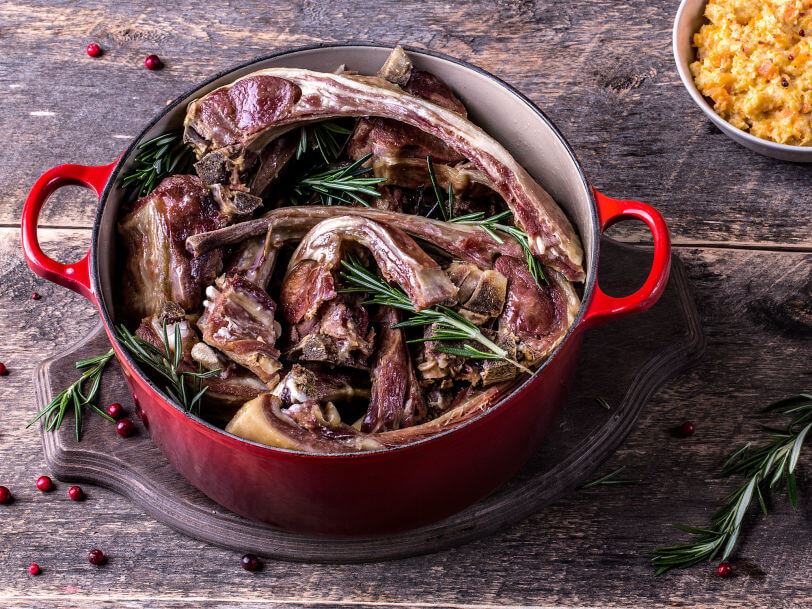
meatthesavages.com – Pinnekjøtt is a traditional Norwegian dish made from lamb ribs that are cured, dried, and then steamed with juniper berries and other spices. It’s a popular dish that is often served during special occasions, such as Christmas Eve.

The Origins of Pinnekjøtt

The origins of pinnekjøtt can be traced back to Viking times when people preserved meat by drying and salting it. Over time, the technique of curing and steaming lamb ribs evolved, and pinnekjøtt became a beloved dish in Norway.

The Curing Process

The curing process is a crucial step in the preparation of pinnekjøtt. The lamb ribs are rubbed with a mixture of salt, pepper, and other spices, then hung to dry in a cool, dry place. The drying process can take several weeks or even months, depending on the weather conditions.

The Steaming Process

After the curing process, the dried lamb ribs are steamed with juniper berries and other spices, such as cardamom and cloves. The steaming process helps to rehydrate the meat and infuse it with the flavors of the spices.

How to Enjoy Pinnekjøtt

Pinnekjøtt is typically served with boiled potatoes, root vegetables, and a variety of sauces, such as mustard sauce or brown sauce. It can also be enjoyed with a side of kålrabistappe, a mashed rutabaga dish.

The Flavor Profile of Pinnekjøtt

Pinnekjøtt has a unique and complex flavor profile. The curing process imparts a salty and slightly gamey flavor to the meat, while the steaming process adds a subtle sweetness and smokiness. The juniper berries and other spices provide a warm and aromatic note.

Conclusion

Pinnekjøtt is a delicious and traditional Norwegian dish that is perfect for special occasions. Its rich flavor and tender texture make it a truly memorable dining experience.

Passatelli: A Delicate Pasta Delight – A Taste of Tradition

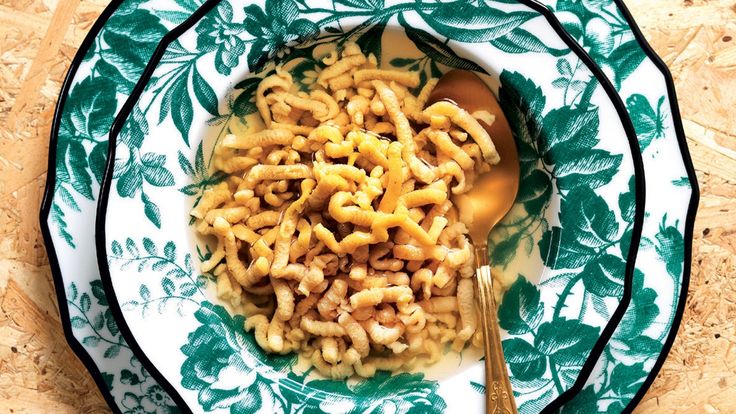
meatthesavages.com – Passatelli, a delicate and flavorful pasta hailing from the Emilia-Romagna region of Italy, is a culinary treasure that has been passed down through generations. Unlike traditional pasta, which is made with flour and water, Passatelli is crafted from a unique combination of breadcrumbs, Parmesan cheese, eggs, and nutmeg. This distinctive composition results in a pasta that is light, fluffy, and incredibly satisfying.

A Culinary Masterpiece

The process of making Passatelli is both an art and a science. The ingredients are carefully combined and grated into a fine mixture, which is then extruded through a special tool called a “passatelli maker.” This tool, which resembles a large syringe, shapes the mixture into long, thin strands. The Passatelli are then cooked in boiling water until they rise to the surface.

A Versatile Dish

Passatelli is a versatile pasta that can be enjoyed in a variety of ways. Traditionally, it is served in a clear broth, often enriched with chicken or vegetable stock. This simple yet elegant preparation highlights the delicate flavor of the pasta itself. However, Passatelli can also be paired with rich and flavorful sauces. Some popular options include:

  • Ragù alla Bolognese: A hearty meat sauce that complements the light and fluffy texture of Passatelli.
  • Butter and Sage: A classic Italian pairing that adds a touch of simplicity and elegance.
  • Pesto Genovese: A vibrant green sauce that adds a burst of flavor to the dish.

A Culinary Experience

Passatelli offers a unique and unforgettable culinary experience. Its delicate texture and subtle flavor make it a perfect choice for a light and refreshing meal. Whether you choose to enjoy it in a simple broth or with a rich and flavorful sauce, Passatelli is sure to delight your taste buds.

Kaukswe: A Creamy Burmese Delight – A Symphony of Flavors

meatthesavages.com – Kaukswe, a rich and comforting noodle soup, is a beloved dish in Myanmar. This creamy delight is characterized by its coconut milk-based curry, which imparts a luscious and savory flavor. The soup is typically served with a variety of toppings, allowing diners to customize their bowl to their liking.   

A Symphony of Flavors

At the heart of Kaukswe lies a velvety smooth coconut milk curry, infused with aromatic spices such as garlic, shallots, and chili peppers. This curry is simmered until it reaches the perfect balance of richness and spice, creating a truly indulgent experience.   

The noodles used in Kaukswe are typically made from rice flour, resulting in a delicate and slightly chewy texture. These noodles are cooked al dente and then added to the coconut milk curry, where they soak up the flavorful liquid.

To elevate the flavor profile of Kaukswe, a variety of toppings are often added. These can include:

  • Fried garlic: This aromatic ingredient adds a savory crunch to the soup.
  • Chili oil: This fiery condiment adds a spicy kick to the dish.
  • Lime wedges: These add a tangy and refreshing flavor.
  • Fresh herbs: Coriander and mint are commonly used to garnish the dish.
  • Crispy noodles: These provide a contrasting texture to the soft noodles.

A Cultural Tapestry

Kaukswe is deeply rooted in Myanmar’s cultural heritage and is often enjoyed as a breakfast or lunch dish. It is particularly popular in the Irrawaddy Delta region, where it is often served with a variety of side dishes, such as pickled vegetables and fish cakes.

The preparation of Kaukswe is a skill that is often passed down from generation to generation. It requires a delicate balance of flavors and textures, and the best versions of the dish are often made by experienced cooks who have honed their craft over many years.

A Global Culinary Sensation

In recent years, Kaukswe has gained international recognition, captivating the palates of food lovers around the world. Its creamy and comforting nature, its unique blend of flavors, and its beautiful presentation have contributed to its growing popularity.

From renowned chefs incorporating Kaukswe into their menus to home cooks experimenting with their own versions, the dish has transcended borders and become a global culinary sensation.

A Recipe for the Soul

While the exact recipe for Kaukswe may vary, the essential elements remain the same: a rich coconut milk curry, delicate rice noodles, and a variety of savory toppings. The key to a truly authentic Kaukswe experience lies in the quality of the ingredients and the balance of flavors.

Whether you’re savoring a bowl of Kaukswe in a bustling street market in Myanmar or recreating the dish in your own kitchen, it is sure to transport you to the heart of Burmese culture, offering a taste of its vibrant and delicious cuisine.

Bannock: A Taste of Indigenous Tradition

meatthesavages.com – Bannock, a traditional Indigenous flatbread, is a versatile food that has been enjoyed for centuries. It is a staple food of many Indigenous cultures in North America, and its preparation and consumption vary across different tribes and regions.

A Simple Yet Satisfying Food

Bannock is typically made from a simple mixture of flour, water, and leavening agent, such as baking powder or yeast. It can be baked in a variety of ways, including on a griddle, in a cast-iron skillet, or even over an open fire. The result is a warm, satisfying flatbread that can be eaten on its own or used to accompany soups, stews, and other dishes.

A Cultural Significance

Bannock holds significant cultural importance for many Indigenous communities. It is often shared during gatherings and ceremonies, symbolizing community and connection. The preparation of bannock can be a communal activity, bringing people together to share stories and traditions.

A Modern Twist

While traditional bannock is a simple and delicious food, modern interpretations have emerged. Some people add ingredients like herbs, spices, or cheese to the dough, creating unique and flavorful variations. Bannock can also be used to make sandwiches, tacos, or pizza.

A Culinary Heritage

Bannock is a testament to the resilience and ingenuity of Indigenous cultures. It is a versatile food that can be adapted to different circumstances and preferences. By continuing to make and enjoy bannock, we honor the rich culinary heritage of Indigenous peoples and contribute to the preservation of their traditions.

Exploring Barramundi: A Versatile Culinary Delight

meatthesavages.com – Barramundi, known for its mild flavor and succulent texture, is a popular fish choice in many culinary circles. Whether served grilled or fried, this versatile fish offers a delightful eating experience that has made it a favorite among seafood lovers.

Origins and Habitat of Barramundi

Barramundi, scientifically known as Lates calcarifer, is native to the Indo-Pacific region, particularly thriving in the waters of Australia and Southeast Asia. Its name, derived from the Aboriginal language, means “large-scaled river fish,” reflecting its natural habitat in both fresh and saltwater environments. This adaptability makes barramundi a resilient species, as it can be found in rivers, estuaries, and coastal areas.

The Culinary Appeal of Barramundi

One of the key reasons for barramundi’s popularity is its culinary versatility. The fish’s firm, white flesh and mild flavor make it an ideal canvas for a variety of cooking methods and flavor profiles. When grilled, barramundi develops a beautiful, slightly charred exterior while retaining its moist and tender interior. This method enhances its natural flavors, often complemented by herbs, spices, or citrus.

Frying barramundi is another popular preparation method, providing a crispy outer layer that contrasts beautifully with its soft flesh. This technique is particularly favored in dishes like fish and chips or Asian-inspired preparations, where the fish is paired with robust sauces or aromatic spices.

Health Benefits of Barramundi

Beyond its delicious taste, barramundi is also valued for its nutritional benefits. It is a great source of lean protein, rich in omega-3 fatty acids, and low in calories. These attributes make it a healthy choice for those looking to incorporate more seafood into their diet without compromising on flavor or nutrition.

Sustainability and Farming Practices

As demand for barramundi has grown, sustainable farming practices have become increasingly important. Many fisheries focus on environmentally friendly methods to ensure the long-term viability of barramundi populations. These practices not only support the ecosystem but also provide consumers with responsibly sourced seafood, aligning with the growing trend towards sustainability in food production.

Conclusion

Barramundi is a shining star in the world of seafood, celebrated for its versatility, flavor, and nutritional benefits. Whether grilled to perfection or fried to a crispy delight, it offers a variety of culinary possibilities that cater to diverse tastes. As awareness of sustainable fishing practices continues to grow, barramundi remains a top choice for chefs and home cooks alike, ensuring its place on dinner tables around the world for years to come.

Nalysnyky: A Delicious Tradition of Ukrainian Crepes

meatthesavages.com – Nalysnyky are a quintessential dish in Ukrainian cuisine, celebrated for their delicate texture and versatile fillings. These thin pancakes, akin to French crepes, are a testament to the art of simple yet flavorful cooking. Often filled with cheese, meat, or other savory ingredients, nalysnyky are a beloved treat for both everyday meals and special occasions.

The Craft of Making Nalysnyky

Creating nalysnyky involves a simple batter of eggs, milk, flour, and a pinch of salt, resulting in a smooth and pourable consistency. The batter is cooked in a hot, lightly greased skillet, forming paper-thin pancakes that are soft and pliable. The key to perfect nalysnyky lies in achieving an even, golden-brown surface that is just firm enough to hold a filling without breaking.

Savory Fillings: A Classic Choice

Traditionally, nalysnyky are filled with savory ingredients. One of the most popular fillings is a mixture of fresh cheese, such as farmer’s cheese, blended with herbs and a hint of garlic or onion. Meat fillings, often featuring finely ground beef or chicken, are also common, seasoned with spices to enhance their flavor. These savory fillings provide a hearty and satisfying bite, making nalysnyky a versatile option for any meal.

Serving Nalysnyky

Once filled, nalysnyky are typically rolled or folded into neat parcels and baked or sautéed to enhance their flavors and textures. They are often served with a dollop of sour cream, which complements the richness of the filling and adds a refreshing tang. Some variations include a light topping of melted butter or a sprinkle of fresh herbs to elevate the presentation.

A Culinary Tradition with Cultural Significance

Nalysnyky have long been a part of Ukrainian culture, often prepared for family gatherings, holidays, and celebrations. They are seen as a symbol of hospitality and are cherished for their ability to bring people together around the table. The process of making nalysnyky can be a communal activity, with family members sharing stories and traditions as they cook.

Exploring Sweet Variations

While savory fillings are traditional, sweet versions of nalysnyky also exist. These may include fillings like sweetened cottage cheese, fruit preserves, or a sprinkle of sugar and cinnamon. Sweet nalysnyky offer a delightful dessert option, showcasing the versatility of this beloved dish.

In conclusion, nalysnyky are more than just thin pancakes; they are a celebration of Ukrainian culinary heritage. Whether filled with cheese, meat, or something sweet, these delicate crepes offer a taste of tradition and a reminder of the simple joys of cooking and sharing food with loved ones.

The Delicious World of Pad Thai: Thai Style Fried Noodles

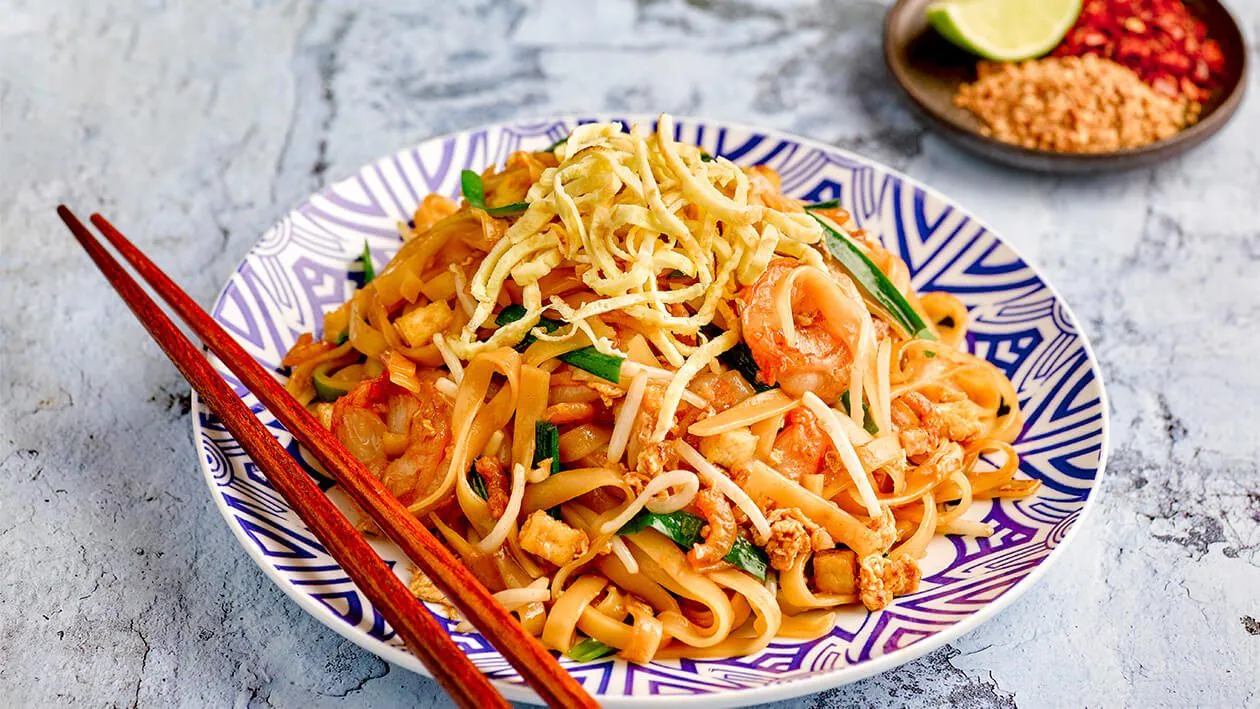
meatthesavages.com – Pad Thai, Thailand’s most famous culinary export, is a delightful dish that has captivated taste buds around the globe. This classic street food combines a harmonious blend of flavors and textures, making it a favorite choice for both locals and tourists alike. In this article, we’ll delve into the origins, ingredients, and preparation of Pad Thai, and explore why it holds a special place in the world of cuisine.

The Origins of Pad Thai

Pad Thai’s history is as rich as its flavors. It is believed to have been introduced during the late 1930s and early 1940s by Prime Minister Plaek Phibunsongkhram as a way to promote Thai nationalism and reduce rice consumption during a period of economic hardship. The dish quickly gained popularity due to its simple yet satisfying ingredients, and it has since become a staple of Thai cuisine.

Key Ingredients

The beauty of Pad Thai lies in its versatility and the balance of sweet, sour, salty, and spicy flavors. The key components of this dish include:

  1. Rice Noodles: Thin, flat rice noodles form the base of Pad Thai, providing a chewy texture that absorbs the sauce beautifully.
  2. Protein: Common choices include shrimp, chicken, tofu, or a combination of these, catering to different dietary preferences.
  3. Eggs: Lightly scrambled eggs are incorporated into the noodles, adding a rich and creamy element.
  4. Tamarind Paste: This provides the signature tangy flavor that defines Pad Thai.
  5. Fish Sauce: A staple in Thai cooking, fish sauce adds depth and umami to the dish.
  6. Palm Sugar: Balances the tartness of the tamarind with a hint of sweetness.
  7. Crushed Peanuts: Sprinkled over the top for a crunchy contrast.
  8. Bean Sprouts and Green Onions: Add freshness and a pop of color.
  9. Lime Wedges: Served on the side, allowing diners to adjust the sourness to their liking.
  10. Chili Flakes: For those who enjoy a spicy kick.

Preparing Pad Thai

Making Pad Thai at home can be a rewarding experience. Here is a simplified version to try:

  1. Soak the Noodles: Begin by soaking the rice noodles in warm water until they are pliable, then drain them.
  2. Prepare the Sauce: Mix tamarind paste, fish sauce, and palm sugar in a bowl until well combined.
  3. Cook the Protein: In a hot wok or large pan, cook your chosen protein until it is fully cooked. Remove and set aside.
  4. Scramble the Eggs: In the same pan, scramble the eggs and then push them to one side.
  5. Combine Ingredients: Add the soaked noodles and sauce to the pan, stirring to coat evenly. Return the protein to the pan and mix everything together.
  6. Finish with Toppings: Toss in bean sprouts and green onions, then serve hot with crushed peanuts, lime wedges, and chili flakes on the side.

The Global Appeal of Pad Thai

Pad Thai’s universal appeal lies in its ability to adapt to various tastes and dietary needs. It can be made vegetarian, vegan, or gluten-free, and its flavors can be adjusted to suit personal preferences. Whether enjoyed at a bustling street market in Bangkok or a local Thai restaurant in your hometown, Pad Thai offers a taste of Thailand’s vibrant culinary culture.

Conclusion

Pad Thai is more than just a dish; it is a delicious representation of Thailand’s rich history and culinary innovation. Its perfect balance of flavors and textures makes it a beloved meal worldwide. So next time you’re in the mood for something flavorful and satisfying, consider making or ordering a plate of Pad Thai, and enjoy a taste of Thailand’s culinary heritage.

Meatloaf: A Classic Comfort Food Dish – Origins and Evolution

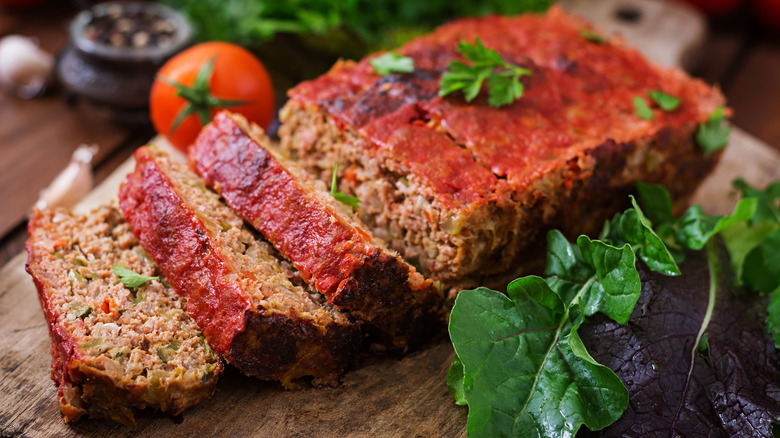
meatthesavages.com – Meatloaf is a cherished dish that has become a staple in households across the world. Known for its hearty and satisfying nature, meatloaf is a baked dish made primarily with ground meat combined with a variety of ingredients to enhance flavor and texture. This versatile dish is beloved for its comforting qualities and adaptability to different culinary traditions.

Origins and Evolution

The concept of meatloaf dates back to ancient times, with various cultures creating their own versions of ground meat mixed with spices and other ingredients. In the United States, meatloaf gained popularity during the Great Depression as a way to stretch limited resources. By incorporating inexpensive fillers like breadcrumbs, oats, or vegetables, families could create a nutritious and filling meal.

Ingredients and Preparation

The core of any meatloaf recipe is ground meat, typically beef, pork, or a mixture of both. However, variations using turkey, chicken, or plant-based alternatives have emerged to cater to different dietary preferences. To bind the meat, ingredients such as eggs and breadcrumbs are essential, while onions, garlic, and herbs provide depth of flavor. A glaze made from ketchup, barbecue sauce, or a tangy tomato mixture is often spread on top to add a sweet and savory finish.

Cooking Techniques

Meatloaf is traditionally baked in an oven, allowing the flavors to meld and the meat to cook evenly. It is usually shaped into a loaf form and placed in a loaf pan or on a baking sheet. Some variations include wrapping the meatloaf in bacon, which adds a smoky flavor and helps retain moisture. The cooking time varies depending on the size and ingredients, but the goal is to achieve a perfectly cooked, moist interior with a slightly caramelized exterior.

Cultural Significance

Meatloaf is a quintessential comfort food, often associated with home-cooked meals and family gatherings. Its appeal lies in its simplicity and the ability to customize it according to personal tastes and available ingredients. In many households, meatloaf recipes are passed down through generations, each with its own unique twist that reflects family traditions.

Variations Around the World

While meatloaf is a classic American dish, its variations can be found globally. In Germany, “Falscher Hase” (literally “false hare”) is a similar dish often served with boiled eggs in the center. In Italy, “polpettone” might include Italian herbs and cheeses. These adaptations highlight the universal appeal of combining ground meat with flavorful ingredients to create a satisfying meal.

Conclusion

Meatloaf’s enduring popularity can be attributed to its comforting nature, versatility, and ability to bring families together around the dinner table. Whether enjoyed as a traditional recipe or a modern twist, meatloaf remains a beloved dish that continues to warm hearts and satisfy appetites worldwide. Its adaptability ensures that it will remain a staple in kitchens for generations to come.

Lahmacun: The Delightful Turkish Flatbread

meatthesavages.com – Lahmacun, often referred to as “Turkish pizza,” is a beloved dish that showcases the rich culinary traditions of Turkey. This thin, crispy flatbread is topped with a savory mixture of minced meat, vegetables, and herbs, offering a harmonious blend of flavors and textures that make it a favorite among locals and food enthusiasts alike.

A Brief History of Lahmacun

The origins of Lahmacun can be traced back to the Middle East, with its name deriving from the Arabic words “lahm” (meat) and “ma’jun” (paste). Over time, it has become a staple in Turkish cuisine, evolving into a popular street food. Its simplicity and affordability have made it accessible to people from all walks of life, and it has since gained international recognition.

Ingredients and Preparation

The base of Lahmacun is a thin, unleavened dough that is rolled out into a large circle. The topping typically consists of minced lamb or beef, mixed with finely chopped onions, tomatoes, peppers, and a variety of herbs and spices such as parsley, cumin, and paprika. This mixture is spread over the dough and baked in a hot oven until the edges are crispy and the topping is cooked to perfection.

Serving and Enjoying Lahmacun

Lahmacun is traditionally served with a side of fresh vegetables, such as lettuce, tomatoes, and onions, along with a squeeze of lemon juice for added zest. It’s often rolled up like a wrap, making it easy to enjoy on the go. Each bite offers a delightful combination of the crispy flatbread and the flavorful topping, making it a satisfying meal or snack at any time of day.

Variations Across the Region

While the traditional recipe remains popular, there are numerous regional variations of Lahmacun. In some areas, additional ingredients such as garlic, red pepper flakes, or even pomegranate molasses might be added to enhance the flavor profile. These variations reflect the diverse culinary influences found throughout Turkey and the surrounding regions.

Lahmacun Around the World

In recent years, Lahmacun has gained popularity beyond Turkey’s borders, with many restaurants and food vendors around the world offering their own versions of this delectable dish. Its versatility and unique taste have made it a favorite among those seeking to explore international flavors.

Conclusion

Lahmacun is more than just a flatbread; it is a testament to the rich cultural heritage and culinary artistry of Turkey. Whether enjoyed in its traditional form or with a modern twist, this delicious dish continues to capture the hearts and palates of food lovers everywhere.

Peran Sayuran dan Buah dalam Meningkatkan Sistem Kekebalan Tubuh

Sayuran dan buah memiliki peran penting dalam menjaga dan meningkatkan sistem kekebalan tubuh. Kandungan nutrisi yang beragam seperti vitamin, mineral, antioksidan, serta serat membantu tubuh melawan infeksi dan menjaga keseimbangan metabolisme daftar trisula88. Konsumsi rutin buah dan sayuran dapat memperkuat pertahanan alami tubuh terhadap berbagai penyakit.

1. Sumber Vitamin C: Meningkatkan Produksi Sel Imun

Vitamin C berperan penting dalam memperkuat kekebalan tubuh. Nutrisi ini merangsang produksi sel darah putih, yang berfungsi melawan patogen seperti bakteri dan virus. Sayuran dan buah yang kaya vitamin C meliputi:

  • Jeruk, lemon, dan kiwi
  • Stroberi
  • Paprika merah
  • Brokoli dan kubis

2. Antioksidan: Melindungi Sel dari Kerusakan

Antioksidan yang terdapat dalam sayuran dan buah membantu melawan radikal bebas, yang dapat menyebabkan kerusakan sel dan melemahkan sistem imun. Beberapa sumber antioksidan yang baik meliputi:

  • Blueberry dan anggur
  • Bayam dan kale
  • Wortel dan tomat

3. Vitamin A: Memperkuat Lapisan Pertahanan Tubuh

Vitamin A berperan dalam menjaga kesehatan kulit dan membran mukosa, yang merupakan garis pertahanan pertama tubuh dari serangan mikroorganisme. Vitamin A bisa ditemukan dalam:

  • Wortel dan ubi jalar
  • Bayam dan kale
  • Mangga dan pepaya

4. Vitamin E: Meningkatkan Fungsi Sel Kekebalan

Vitamin E bekerja sebagai antioksidan dan membantu meningkatkan respons imun dengan mendukung fungsi sel darah putih. Sayuran dan buah yang kaya vitamin E meliputi:

  • Alpukat
  • Kacang-kacangan dan biji bunga matahari
  • Bayam dan brokoli

5. Zat Besi: Mencegah Kelelahan dan Meningkatkan Daya Tahan

Zat besi berperan dalam produksi hemoglobin, yang mengangkut oksigen ke seluruh tubuh, termasuk sel-sel imun. Kekurangan zat besi dapat menyebabkan tubuh lebih rentan terhadap infeksi. Sumber zat besi nabati meliputi:

  • Bayam dan sayuran hijau
  • Kacang-kacangan
  • Brokoli

6. Serat: Mendukung Kesehatan Usus dan Imun Tubuh

Sebagian besar sistem imun tubuh terhubung dengan kesehatan usus. Serat dalam sayuran dan buah berperan dalam menyeimbangkan mikrobiota usus dan mencegah peradangan. Beberapa sumber serat yang baik:

  • Apel dan pir
  • Brokoli dan wortel
  • Oat dan kacang-kacangan

7. Mineral: Zinc dan Selenium untuk Fungsi Kekebalan Optimal

Zinc dan selenium mendukung aktivitas enzim serta memperkuat sistem imun dalam melawan infeksi. Buah dan sayuran dengan kandungan mineral penting ini meliputi:

  • Kacang-kacangan dan biji-bijian
  • Jamur dan bawang putih
  • Alpukat

8. Fungsi Detoksifikasi dari Buah dan Sayuran

Beberapa sayuran dan buah memiliki sifat detoksifikasi yang membantu tubuh mengeluarkan racun dan mendukung fungsi hati. Ini membantu tubuh menjaga kesehatan dan daya tahan. Beberapa contohnya:

  • Lemon dan jeruk nipis
  • Bit dan asparagus
  • Seledri dan mentimun

9. Hidrasi yang Mendukung Fungsi Kekebalan

Buah dan sayuran yang mengandung banyak air membantu menjaga hidrasi tubuh, yang penting untuk menjaga fungsi organ dan sistem imun. Beberapa pilihan terbaik:

  • Semangka dan melon
  • Timun dan tomat
  • Jeruk dan nanas

10. Kandungan Flavonoid dan Fitokimia: Melawan Infeksi

Flavonoid dan fitokimia dalam buah dan sayuran berfungsi sebagai antimikroba dan anti-inflamasi, membantu tubuh melawan infeksi. Sumber fitokimia yang baik meliputi:

  • Teh hijau dan anggur
  • Bawang putih dan bawang merah
  • Apel dan buah beri

Kesimpulan

Konsumsi buah dan sayuran secara rutin merupakan langkah efektif untuk memperkuat sistem kekebalan tubuh. Berbagai nutrisi di dalamnya, seperti vitamin, mineral, dan antioksidan, bekerja sama untuk menjaga tubuh tetap sehat dan tangguh melawan infeksi. Dengan pola makan seimbang yang kaya sayuran dan buah, tubuh lebih siap menghadapi penyakit dan tetap dalam kondisi prima.

Majestic Delicacies: Fit for Royalty

meatthesavages.com – Throughout history, culinary arts have been an integral part of royal courts around the world. From opulent banquets in European castles to exquisite feasts in Asian palaces, royal cuisine has always been synonymous with luxury, sophistication, and cultural heritage. In this article, we will explore some of the most renowned dishes and ingredients that have graced the tables of royalty, showcasing the artistry and tradition behind these majestic delicacies.

A Taste of History

Royal kitchens have long been the birthplace of culinary innovation. Chefs were tasked with creating dishes that not only pleased the palate but also demonstrated the wealth and power of the monarchy. These dishes often incorporated rare and expensive ingredients, such as saffron, truffles, and exotic spices, which were symbols of affluence and global influence.

The Art of Presentation

In royal courts, presentation was as important as flavor. Elaborate dishes were often prepared with intricate designs, making them as much a feast for the eyes as for the stomach. Silver platters, crystal goblets, and gold utensils were commonly used to serve these dishes, enhancing the dining experience and underscoring the importance of the occasion.

Iconic Dishes from Royal Tables

Peking Duck

Originating from the imperial kitchens of China, Peking Duck is a dish that has stood the test of time. Known for its crispy skin and succulent meat, this delicacy was a favorite among Chinese emperors. Served with thin pancakes, hoisin sauce, and scallions, it remains a staple in Chinese cuisine today.

Beef Wellington

Named after the Duke of Wellington, this classic British dish is a testament to the elegance of royal dining. It consists of a tender beef fillet coated with pâté and duxelles, wrapped in puff pastry, and baked to perfection. Often served at lavish gatherings, Beef Wellington continues to be a symbol of culinary refinement.

Saffron Risotto

A staple in Italian royal cuisine, saffron risotto is a dish that highlights the luxurious nature of saffron—a spice worth its weight in gold. This creamy and aromatic dish is often served as a first course in Italian feasts, showcasing the country’s rich culinary heritage.

Modern-Day Majestic Delicacies

While the grandeur of royal feasts has evolved over time, the essence of opulence in cuisine remains. Today, chefs continue to draw inspiration from these historical dishes, reimagining them with modern techniques and flavors. Molecular gastronomy, for instance, has allowed chefs to deconstruct and reconstruct traditional royal dishes, adding a contemporary twist to age-old recipes.

Conclusion

Majestic delicacies provide a fascinating glimpse into the world of royalty and the culinary traditions that have shaped our global food culture. From the meticulous preparation to the lavish presentation, these dishes tell the story of a time when food was not just sustenance but a symbol of power, prestige, and artistry. Whether enjoyed in a palace or a modern dining room, these royal-inspired dishes continue to captivate and inspire food lovers around the world.

Brunch Bunch: A Social Phenomenon Uniting Foodies and Friends

meatthesavages.com – In recent years, the concept of brunch has evolved from a simple weekend meal to a social phenomenon, giving rise to the “Brunch Bunch.” This trend has seen groups of friends, family, and even strangers coming together to enjoy a leisurely meal that blends the best of breakfast and lunch. The Brunch Bunch is not just about the food; it’s about the experience, the camaraderie, and the opportunity to unwind and connect with others in a relaxed setting.

The Appeal of Brunch Bunch

Brunch Bunch has become a staple in urban and suburban areas alike, with restaurants and cafes across the globe dedicating entire menus to this mid-morning feast. The appeal lies in the flexibility it offers; whether you’re in the mood for sweet pancakes or savory eggs Benedict, brunch has something for everyone. It’s also a time when people can gather without the rush of a weekday morning or the late-night pressures of dinner plans.

The Social Aspect

The social aspect of Brunch Bunch is perhaps its most defining feature. It’s a time when people can catch up with friends, make new acquaintances, or even network in a more relaxed environment than a formal business lunch. The communal tables often found in brunch spots encourage interaction, and the sharing of dishes can lead to a sense of togetherness and shared experience.

The Economic Impact

From a business perspective, Brunch Bunch has been a boon for the hospitality industry. It fills the gap between the breakfast and lunch rush, providing restaurants with an opportunity to increase their revenue. Many establishments have capitalized on this trend by offering unique and innovative brunch items, themed brunch events, and even bottomless drink options to entice patrons.

The Evolution of Brunch Bunch

As the trend continues to grow, we see an evolution in the types of brunches being offered. There are now brunches that cater to specific dietary needs, such as vegan or gluten-free, as well as cultural brunches that offer a taste of different cuisines from around the world. Pop-up brunches and food truck gatherings have also become popular, allowing people to experience a variety of foods in one location.

The Future of Brunch Bunch

Looking ahead, the Brunch Bunch trend shows no signs of slowing down. As people continue to seek out meaningful connections and memorable experiences, the communal and leisurely nature of brunch will likely keep it at the forefront of social dining. Innovations in food and technology, such as virtual cooking classes or interactive dining experiences, may also shape the future of brunch gatherings.

In conclusion, Brunch Bunch is more than just a meal; it’s a cultural movement that embodies the joy of good food, good company, and the art of slowing down to savor life’s simple pleasures. As we navigate the fast-paced world of the 21st century, the allure of gathering over brunch remains a timeless and universal delight.

Wild Fruits: Seasonal Variations & Availability

meatthesavages.com – Wild fruits, a natural bounty of the earth, have been a part of human diets since prehistoric times. These fruits, often growing in the wild without cultivation, offer a variety of flavors, nutrients, and health benefits. Understanding the seasonal variations and availability of wild fruits is crucial for foragers, chefs, and anyone interested in incorporating these natural delights into their diet.

Spring: The Awakening of Wild Fruits

As the winter chill recedes and the earth warms, spring heralds the first wild fruits of the year. Early bloomers like the morel mushroom, though technically not a fruit, are among the most sought-after wild edibles. Other springtime wild fruits include strawberries, which can be found in various parts of the world, offering a sweet taste of the season.

Summer: The Peak of Wild Fruit Abundance

Summer is the golden age of wild fruits, with an abundance of varieties available. Berries such as raspberries, blackberries, and blueberries ripen in the warmth, offering a range of flavors and colors. Stone fruits like wild cherries and plums also become available, adding a tart sweetness to the summer palette. The season’s warmth and longer days are perfect for these fruits to reach their peak ripeness.

Autumn: The Transition to Heartier Wild Fruits

As the leaves change color and the air cools, autumn brings a shift in the types of wild fruits available. Apples and pears become more prevalent, offering a crisp, sweet taste that is perfect for the season. Nuts like hazelnuts and chestnuts also ripen in the fall, providing a heartier option for foragers. The season’s end also sees the last of the summer fruits, making it a time for preserving and preparing for the winter months.

Winter: A Season of Scarcity

Winter is the most challenging season for wild fruit enthusiasts. The cold and snow make foraging difficult, and the availability of wild fruits is scarce. However, this is the time to enjoy the preserved fruits from the warmer months. Additionally, some hardy fruits like rose hips and wintergreen can still be found, offering a taste of the wild even in the depths of winter.

Conclusion

The seasonal variations and availability of wild fruits are a testament to the earth’s bounty. Each season brings its own unique offerings, from the early strawberries of spring to the hearty nuts of autumn. Understanding these cycles allows us to appreciate the natural rhythms of the earth and the diverse flavors that wild fruits bring to our tables. Whether you’re a seasoned forager or simply enjoy the taste of wild fruits, there’s always something new to discover in the world of wild fruits.

The Blue Cheese Blues: Enjoying Pungent Varieties

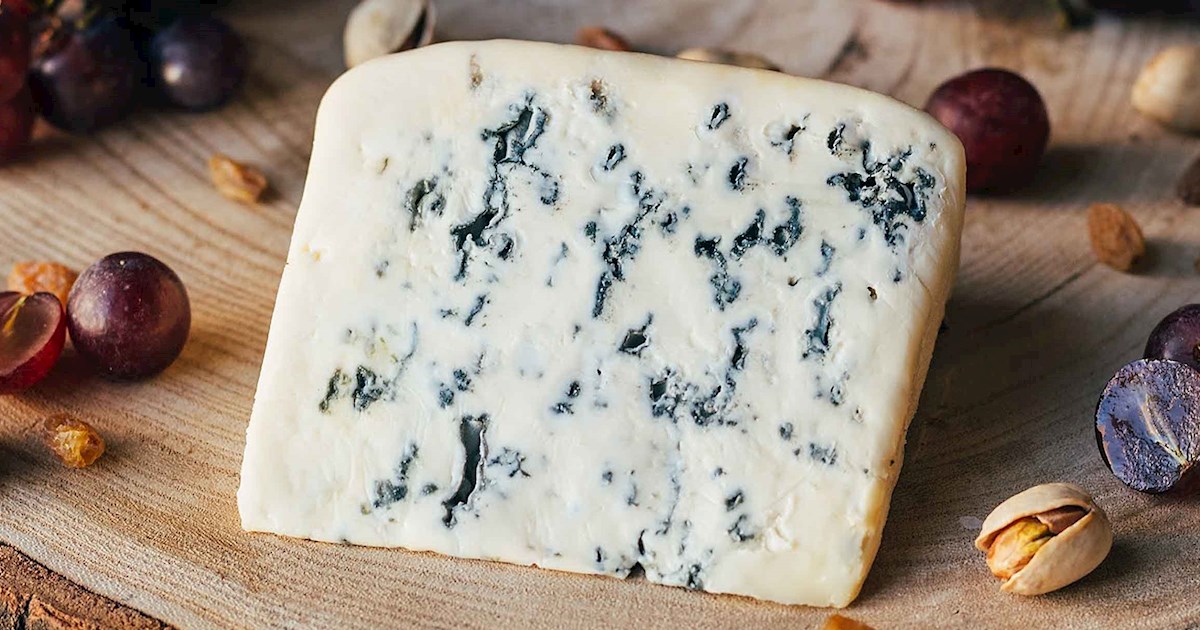
meatthesavages.com – Blue cheese, with its distinctive veins and bold flavors, is a polarizing dairy product. While some people adore its complex taste and aroma, others are turned off by its pungency. If you’re among those who find blue cheese a bit daunting, this article is here to guide you through the “blues” and help you appreciate the unique qualities of these cheeses.

The Allure of Blue Cheese

Blue cheese is a general term for cheeses that have been inoculated with mold, typically from the genus Penicillium. This mold not only gives the cheese its characteristic blue or green veins but also contributes to its strong flavor and aroma. The process of making blue cheese involves piercing the cheese with metal spikes or needles to create air channels, which allow the mold to grow throughout the cheese.

The Varieties of Blue Cheese

There are several types of blue cheese, each with its own distinct flavor profile and texture. Some of the most famous varieties include:

  • Roquefort: Originating from France, Roquefort is made from sheep’s milk and aged in the caves of Roquefort-sur-Soulzon. It has a creamy texture and a tangy, slightly peppery flavor.
  • Gorgonzola: Hailing from Italy, Gorgonzola is made from cow’s milk and comes in two varieties: dolce (sweet) and piccante (sharp). The dolce version is creamier and milder, while the piccante is more crumbly and pungent.
  • Stilton: An English cheese made from cow’s milk, Stilton is known for its crumbly texture and strong, savory flavor. It’s often enjoyed with port or as part of a cheese board.
  • Blue Cheese from the United States: The U.S. produces a variety of blue cheeses, including Maytag Blue from Iowa, which is known for its creamy texture and tangy flavor.

Overcoming the Blue Cheese Blues

If the strong flavor of blue cheese is what’s holding you back, there are ways to ease into enjoying it:

  • Start Mild: Begin with a milder blue cheese, such as the dolce version of Gorgonzola or a young blue cheese, which will have a milder flavor.
  • Pair It: Blue cheese pairs wonderfully with many foods and drinks. Try it with fruits like pears or apples, nuts, honey, or even in a salad with a vinaigrette dressing to balance its flavor.
  • Cooking with Blue Cheese: Incorporating blue cheese into dishes can also make it more approachable. It’s delicious in sauces, on pizzas, or crumbled into pastas. The heat can mellow out the sharpness, making it more palatable.

The Health Benefits of Blue Cheese

Beyond its flavor, blue cheese offers several health benefits. It’s a good source of protein, calcium, and vitamins A and B12. The mold in blue cheese also produces compounds that may have anti-inflammatory and anticancer properties.

Conclusion

Blue cheese may not be for everyone, but for those willing to explore its depth and complexity, it can be a delightful addition to the culinary palate. By understanding the different varieties and how to enjoy them, even those who are hesitant might find themselves humming a different tune when it comes to the blue cheese blues. So, the next time you see a blue-veined cheese, consider giving it a try—you might just discover a new favorite.

Comfort Food from the Countryside: The Farmhouse Table

meatthesavages.com – In the heart of the countryside, where the air is fresh and the produce is grown with the love of the earth, lies the essence of comfort food at its finest. The farmhouse table is not just a place where meals are served; it’s a gathering spot for family and friends, a testament to the seasons, and a celebration of the land’s bounty. It’s here that the concept of comfort food from the countryside truly comes to life, with dishes that are simple, hearty, and deeply satisfying.

The Philosophy Behind the Farmhouse Table

The philosophy behind the farmhouse table is one of simplicity and sustainability. It’s about using what’s in season, what’s grown locally, and what can be sourced ethically. This approach not only ensures that the food is of the highest quality but also that the environmental impact is minimized. The farmhouse table is a place where the slow food movement finds its home, where meals are savored and the art of conversation is cherished.

The Comfort Foods of the Countryside

The comfort foods that grace the farmhouse table are a reflection of the land and its seasons. From the hearty stews of winter, simmered with root vegetables and tender meats, to the fresh salads of summer, bursting with the flavors of ripe tomatoes and crisp greens, every dish tells a story of the earth’s cycles.

Hearty Winter Warmers

As the cold winds blow and the nights draw in, the farmhouse table offers warmth and sustenance. Dishes like beef stew, with chunks of meat slow-cooked until they fall apart, accompanied by a medley of carrots, potatoes, and onions, provide the comfort needed to ward off the chill. Soups, too, play a significant role, with classics like chicken noodle or vegetable minestrone offering a bowlful of nourishment.

Fresh Summer Delights

With the arrival of summer, the farmhouse table transforms. Light and vibrant dishes take center stage, with salads featuring prominently. A simple tomato salad, made with tomatoes plucked ripe from the vine, dressed with olive oil, salt, and a sprinkle of basil, is a celebration of the season. Grilled meats and vegetables, with their smoky flavors, also find their way to the table, alongside freshly baked bread and tangy cheeses.

The Role of Preserves and Pickles

No farmhouse table would be complete without a selection of preserves and pickles. These not only add depth and complexity to dishes but also serve as a way to preserve the abundance of the harvest. Jams, chutneys, and pickled vegetables are made in abundance, ensuring that the flavors of the countryside can be enjoyed year-round.

The Art of Sharing and Community

Perhaps the most significant aspect of the farmhouse table is the sense of community it fosters. Meals are shared, stories are told, and the bonds of family and friendship are strengthened. The farmhouse table is a reminder that food is more than just sustenance; it’s a way to connect with others and with the land that provides for us.

Conclusion

The farmhouse table is more than just a place to eat; it’s a way of life. It’s a celebration of the countryside, a tribute to the seasons, and a gathering place for loved ones. The comfort food that it offers is not just about the dishes themselves but about the love and care that go into preparing them. As we sit down at the farmhouse table, we are reminded of the simple pleasures in life and the importance of sharing them with those we hold dear.