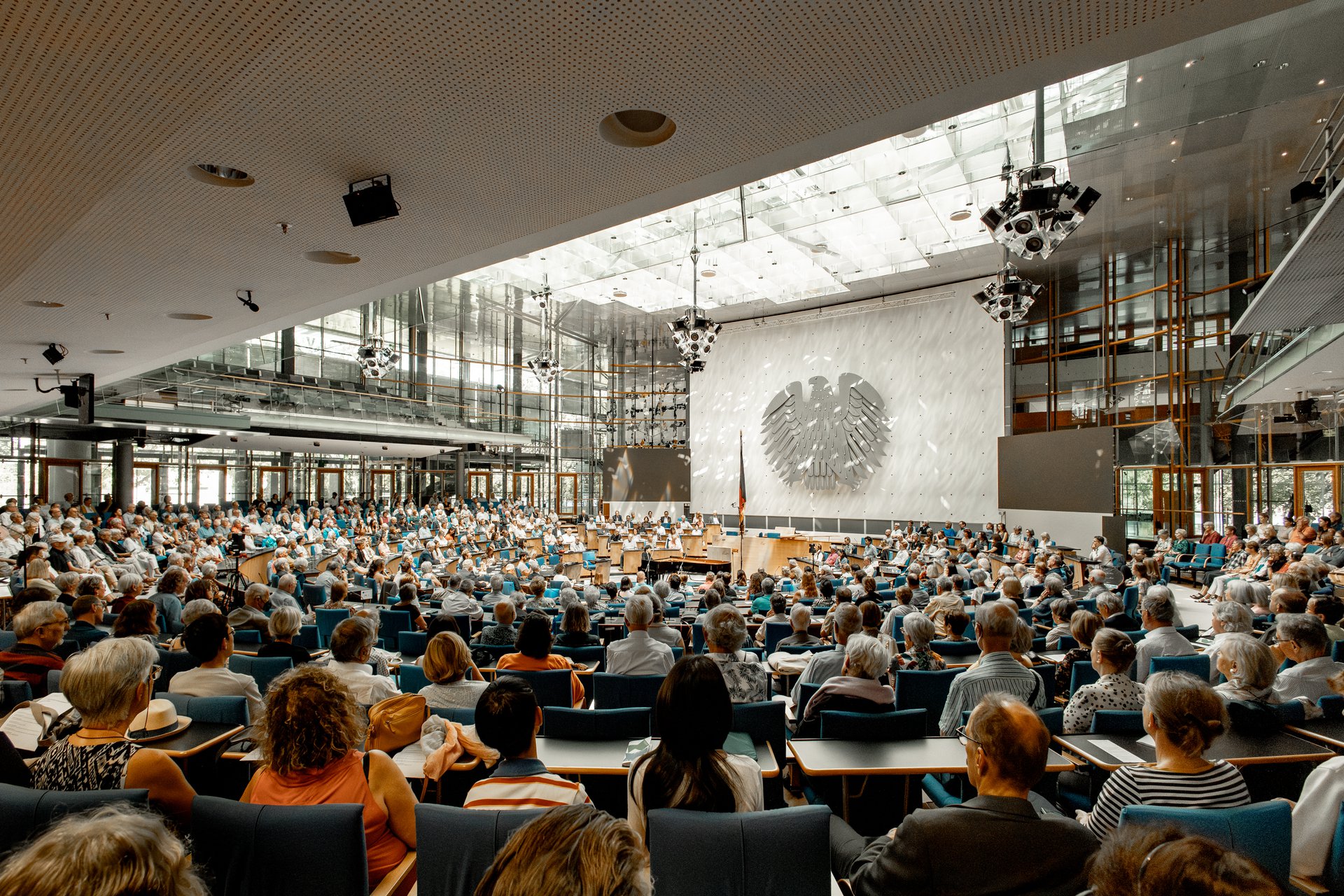
Beethovenfest Bonn: A Celebration of Musical Genius

meatthesavages.com – The Beethovenfest Bonn is an internationally renowned classical music festival held annually in the German city of Bonn, Beethoven’s birthplace. This prestigious event honors the life and work of Ludwig van Beethoven, one of history’s greatest composers.

A Rich History

The festival’s roots can be traced back to the 19th century, when local music enthusiasts organized concerts to commemorate Beethoven’s legacy. Over the years, the festival has grown in stature, attracting world-class musicians and attracting a global audience.

A Diverse Program

The Beethovenfest Bonn offers a diverse program that spans the entire spectrum of classical music. The festival features a wide range of events, including orchestral concerts, chamber music performances, recitals, and opera productions.

A Focus on Beethoven

While the festival celebrates a wide range of classical music, Beethoven’s works remain at the heart of the program. The festival often includes performances of Beethoven’s iconic symphonies, concertos, and chamber music pieces, performed by renowned orchestras and soloists.

A Cultural Experience

Beyond the music, the Beethovenfest Bonn offers a rich cultural experience. The festival takes place in various venues throughout Bonn, including historic churches, concert halls, and outdoor spaces. These venues provide a unique backdrop for the performances, enhancing the overall experience.

A Global Gathering of Music Lovers

The Beethovenfest Bonn attracts music lovers from all over the world. The festival offers a unique opportunity to experience the magic of classical music in a historic setting. Whether you’re a seasoned classical music aficionado or a casual listener, the Beethovenfest Bonn is an event not to be missed.
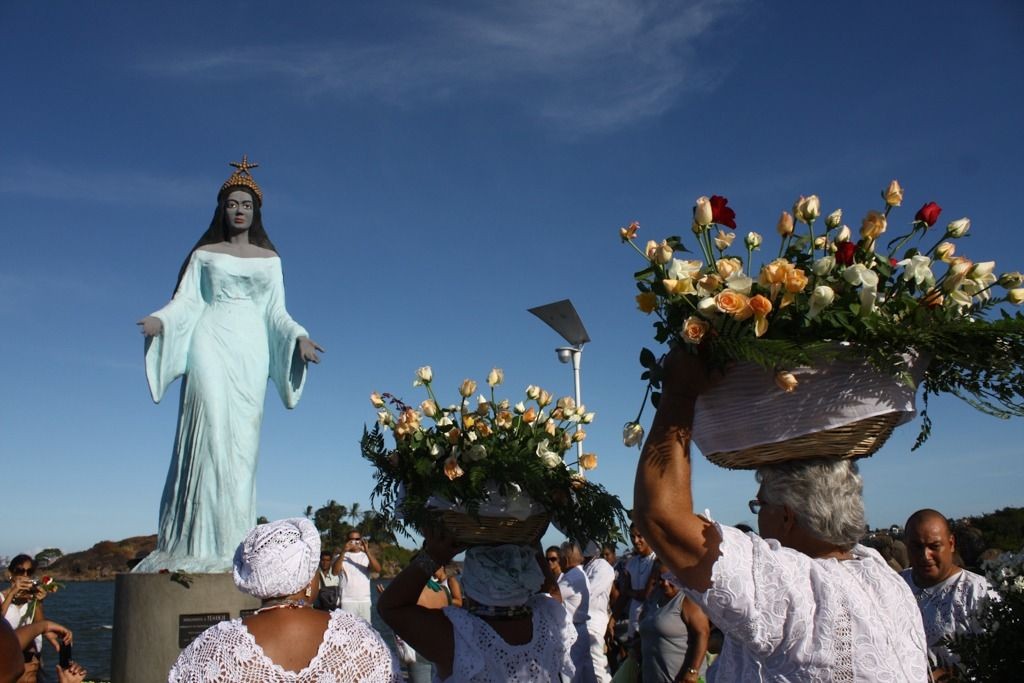
Festa de Iemanjá: A Tribute to the Sea Goddess

meatthesavages.com – Festa de Iemanjá is a significant religious and cultural festival celebrated annually in Brazil, particularly in the coastal cities of Salvador, Rio de Janeiro, and Recife. This vibrant event honors Iemanjá, the Afro-Brazilian goddess of the sea, and is a fusion of African, Indigenous, and Catholic beliefs.

The Significance of Iemanjá

Iemanjá, often depicted as a beautiful woman adorned with seashells and pearls, is revered as the mother of all living things. She is associated with the sea, fertility, and motherhood. Devotees believe that Iemanjá has the power to grant wishes, protect sailors, and heal the sick.

The Rituals of Festa de Iemanjá

The festival typically takes place on February 2, the day of Our Lady of Candelaria, a Catholic saint often associated with Iemanjá. On this day, devotees gather on the beaches to offer prayers, gifts, and flowers to the sea goddess.

  • Floral Offerings: One of the most iconic rituals of Festa de Iemanjá is the offering of flowers to the sea. Devotees create elaborate floral arrangements, often in the shape of boats or other symbolic objects. These offerings are then placed on the water, carrying prayers and wishes to Iemanjá.
  • Musical Performances: The festival is accompanied by vibrant music and dance performances. The rhythms of samba, a popular Brazilian music genre, fill the air, creating a festive atmosphere.
  • Religious Ceremonies: Religious ceremonies, including prayers and chants, are held to honor Iemanjá. Devotees seek blessings and protection from the goddess.
  • Feasting and Celebration: The festival is also a time for feasting and celebration. People gather to enjoy traditional Brazilian dishes, such as feijoada, a hearty bean stew, and caipirinhas, a popular cocktail.

The Cultural Significance of Festa de Iemanjá

Festa de Iemanjá is more than just a religious celebration; it is a cultural expression that reflects the rich history and diversity of Brazil. The festival highlights the syncretism of African and Catholic beliefs, which has shaped Brazilian culture for centuries.

By honoring Iemanjá, Brazilians pay homage to their African roots and celebrate the enduring power of nature. The festival serves as a reminder of the importance of preserving cultural heritage and respecting the natural world.