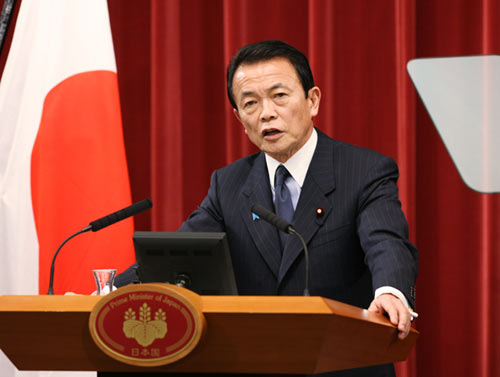
Taro Aso: Prime Minister of Japan (2008–2009)

meatthesavages.com – Taro Aso served as the 92nd Prime Minister of Japan from September 2008 to September 2009. His tenure, while relatively short, occurred during a period of significant economic turmoil and global instability, particularly in the aftermath of the 2008 financial crisis. Aso’s leadership was marked by his efforts to manage Japan’s economic recovery, his interactions with the global community during the financial crisis, and internal political challenges within his party, the Liberal Democratic Party (LDP). Despite his efforts, Aso’s time in office was overshadowed by economic struggles and growing public dissatisfaction, ultimately leading to his resignation as Prime Minister.

Early Life and Political Career

Taro Aso was born on November 20, 1940, in Fukuoka, Japan, into a prominent political family. His grandfather, Eisaku Sato, was a former Prime Minister of Japan, and his father, Takakichi Aso, was a prominent businessman and politician. Aso attended the prestigious Gakushuin University in Tokyo and later earned a degree from the University of Oxford in the United Kingdom, where he studied economics.

Aso entered politics in 1979, following in the footsteps of his family. He was elected to the House of Representatives as a member of the Liberal Democratic Party (LDP). Over the years, Aso built a reputation as a skilled politician, known for his forthright style and his commitment to conservative values. He served in various key government positions, including Minister for Foreign Affairs and Minister for Internal Affairs and Communications, before being elected as Prime Minister in 2008.

Becoming Prime Minister

Taro Aso became Prime Minister of Japan on September 24, 2008, succeeding Yasuo Fukuda, who resigned due to political difficulties within the LDP. Aso, a member of the LDP’s more conservative faction, was chosen as his successor after a contentious party leadership election. His ascension to the position came at a particularly challenging time for Japan, as the global financial crisis that began in 2007-2008 was beginning to have a severe impact on the global economy.

Despite his experience in foreign policy and economic matters, Aso faced an immediate challenge in dealing with the consequences of the financial crisis, which severely affected Japan’s export-driven economy. The Japanese economy had entered a recession, and Aso’s government was under pressure to take decisive action to prevent further economic collapse.

Economic Crisis and Stimulus Measures

The most pressing issue during Aso’s time as Prime Minister was the global financial crisis and its impact on Japan’s economy. As the crisis unfolded, Japan’s economy began to shrink rapidly, and key industries, such as automotive manufacturing and electronics, were severely affected by decreased global demand. Aso’s government faced mounting pressure to implement measures that would stabilize the economy and protect Japanese businesses from the effects of the global downturn.

In response, Aso introduced a series of economic stimulus packages designed to stabilize the economy and support key industries. In December 2008, his government unveiled a ¥73.6 trillion ($750 billion) economic stimulus plan aimed at boosting consumer spending, increasing public works projects, and providing support to struggling industries, particularly the automobile sector. The plan included cash handouts to citizens, tax cuts, and subsidies for businesses facing financial difficulty.

Aso’s government also took steps to stabilize the financial sector, including measures to prevent major financial institutions from failing and to encourage lending. Despite these efforts, the Japanese economy continued to struggle, and unemployment began to rise, creating widespread public dissatisfaction with the government’s handling of the crisis.

Aso’s handling of the economic crisis was often criticized for being too reactive and not delivering immediate results. The Japanese economy continued to experience a prolonged recession, and public confidence in Aso’s leadership began to erode as the government’s policies failed to provide tangible relief.

Domestic Politics and Political Uncertainty

During Aso’s premiership, the LDP faced increasing internal divisions and a loss of popularity among voters. The party had been in power for more than 50 years, but its grip on power was weakening, as many voters began to question the party’s ability to respond effectively to the economic challenges and its failure to address issues such as government corruption and the aging population.

Aso’s leadership style was often criticized for being out of touch with the public, and he struggled to connect with younger voters, who were increasingly dissatisfied with the status quo. His blunt and sometimes controversial remarks also contributed to a growing perception that he lacked the necessary political acumen to lead Japan through such a difficult time.

In addition to his economic challenges, Aso faced significant opposition from the Democratic Party of Japan (DPJ), which was gaining momentum in the polls. The DPJ, led by Yukio Hatoyama, presented a viable alternative to the LDP, advocating for social welfare reforms, a shift toward a more independent foreign policy, and greater government transparency.

Foreign Policy and International Relations

Aso’s time as Prime Minister was also marked by his efforts to navigate Japan’s relations with the international community during the financial crisis. Japan, as one of the world’s largest economies, played a key role in global efforts to address the crisis. Aso worked closely with other G7 leaders and participated in global summits aimed at stabilizing the global financial system.

One of the key foreign policy issues during Aso’s time as Prime Minister was Japan’s relationship with China. Aso took a more assertive stance toward China, calling for Japan to strengthen its military capabilities and engage in more direct diplomacy with its neighbor. His government also sought to bolster Japan’s position in the Asia-Pacific region, focusing on improving relations with other Asian countries and strengthening economic partnerships.

At the same time, Aso continued Japan’s close ties with the United States, emphasizing the importance of the U.S.-Japan security alliance and seeking cooperation in addressing regional security issues, particularly in relation to North Korea’s missile and nuclear programs.

Resignation and Legacy

Despite Aso’s efforts to stabilize the economy and maintain Japan’s international standing, his popularity continued to decline. The LDP suffered a significant loss in the 2009 elections for the House of Councillors, which further weakened Aso’s position as Prime Minister. By mid-2009, Aso’s approval ratings had plummeted to historic lows, and the DPJ’s Yukio Hatoyama became a dominant figure in Japanese politics.

On August 30, 2009, a general election was held, in which the DPJ won a decisive victory, securing a majority in the House of Representatives. Following the election, Aso announced his resignation as Prime Minister, and the LDP’s long period of dominance came to an end. He was succeeded by Yukio Hatoyama of the DPJ, who promised to bring about significant political and economic reforms.

Aso’s legacy as Prime Minister is mixed. While he faced unprecedented economic challenges during his time in office, his government’s inability to provide a clear and effective response to the financial crisis and growing dissatisfaction with the LDP’s leadership contributed to his early departure from office. Nonetheless, Aso remained an influential figure in Japanese politics, serving in various capacities after his resignation, including as Deputy Prime Minister and Minister for Finance.

Conclusion

Taro Aso’s time as Prime Minister of Japan was defined by his leadership during one of the most difficult economic periods in recent Japanese history. Despite his efforts to stabilize the economy through stimulus packages and international cooperation, his tenure was marked by political instability, public dissatisfaction, and a growing challenge from the opposition. Aso’s resignation in 2009 paved the way for a new era in Japanese politics, as the DPJ took control of the government for the first time in over half a century.
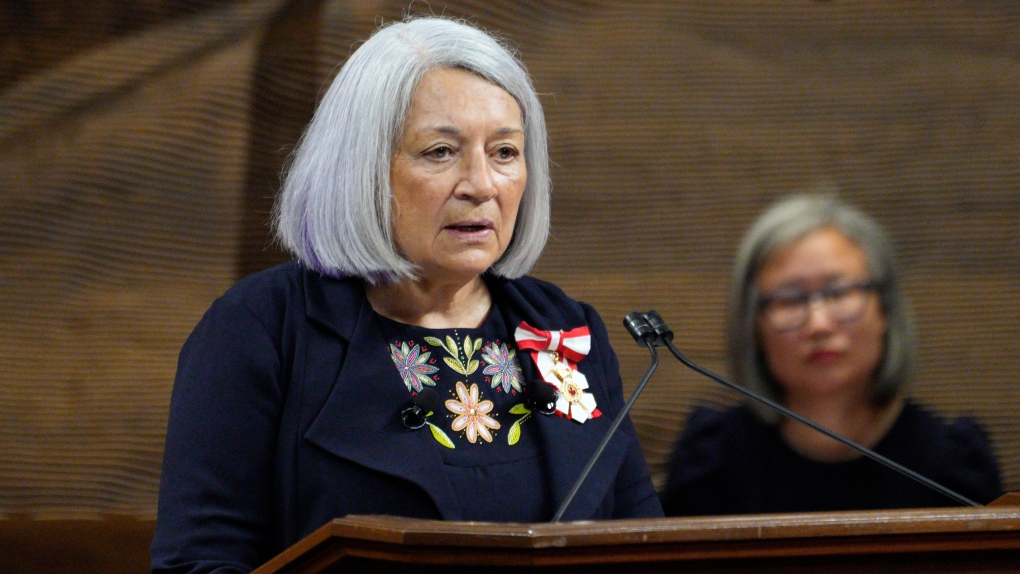

Mary Simon: The 30th Governor General of Canada

meatthesavages.com – Mary Simon made history on July 26, 2021, when she was appointed as the 30th Governor General of Canada and the first Indigenous person to hold this prestigious office. Her appointment represents a significant milestone in Canadian history, reflecting the country’s ongoing efforts toward reconciliation and inclusivity. As a distinguished Inuit leader, diplomat, and advocate for Indigenous rights, Simon brings a wealth of experience to her role and has used her platform to amplify the voices of Indigenous communities while promoting unity and social justice in Canada.

Her appointment as Governor General also symbolizes a break from traditional norms and reinforces the importance of representation for marginalized communities in the highest levels of Canadian leadership. Since taking office, Simon has emphasized themes of reconciliation, inclusion, and the importance of fostering a sense of belonging for all Canadians.

Early Life and Background

Mary Simon was born on August 21, 1947, in Kangiqsualujjuaq (formerly known as George River), a remote Inuit community in northern Quebec. She grew up in the harsh but beautiful landscape of the Canadian Arctic, an experience that shaped her identity and deepened her connection to her Inuit heritage. Raised in a traditional Inuit family, Simon’s early life was marked by the challenges of living in a northern community, where access to services was often limited.

Her upbringing, combined with her strong sense of Inuit culture and identity, became a defining aspect of her career. Simon’s early exposure to the struggles faced by Indigenous peoples in Canada laid the foundation for her later advocacy work and leadership within the Inuit community.

Simon attended the University of Toronto, where she studied history and sociology. She went on to become a prominent advocate for Indigenous rights and issues, focusing on the preservation of Inuit culture and language, as well as addressing the systemic challenges faced by Indigenous communities across Canada.

Career and Leadership in Indigenous Rights

Before becoming Governor General, Mary Simon had a distinguished career in public service, diplomacy, and Indigenous leadership. She was the first Inuk to serve as Canada’s ambassador for circumpolar affairs and played a key role in international Indigenous and Arctic policy.

Simon’s career is marked by her longstanding commitment to improving the lives of Indigenous peoples and ensuring their voices were heard on the world stage. As an advocate for Indigenous rights, she worked on issues such as land claims, self-determination, and the preservation of cultural heritage.

One of her significant accomplishments was her work on the Inuit Tapiriit Kanatami (ITK), the national voice for over 65,000 Inuit across Canada. She served as the organization’s president, helping to raise awareness about the social and political issues affecting Inuit communities, particularly in the Arctic regions. During her tenure, she was instrumental in advocating for improved health care, education, and housing in Inuit communities, as well as addressing the challenges posed by climate change.

Simon also served as the chair of the board of directors of the Inuit Tapiriit Kanatami and played a pivotal role in the negotiation of land claims and resource-sharing agreements. Her leadership in these areas helped pave the way for more equitable policies and greater representation for Indigenous communities in Canada.

Appointment as Governor General

On July 26, 2021, Mary Simon was appointed as Canada’s 30th Governor General by Queen Elizabeth II. Her appointment was a historic moment, as she became the first Indigenous person to hold this position. Prime Minister Justin Trudeau praised Simon’s appointment as a symbol of progress toward reconciliation, noting that her leadership would help bring a new perspective to the role of the Governor General and promote inclusivity in the country’s institutions.

Simon’s appointment was widely regarded as a significant step toward addressing the historical exclusion of Indigenous peoples from positions of power and influence in Canada. It was seen as a recognition of the contributions and potential of Indigenous peoples and a tangible acknowledgment of the country’s commitment to building a more just and inclusive society.

As Governor General, Simon’s role is to serve as the ceremonial representative of the Queen in Canada, performing duties such as opening sessions of Parliament, giving royal assent to bills, and presiding over various official events. However, as Governor General, Simon has also used her platform to champion reconciliation, Indigenous rights, and the broader issues facing Canada’s Indigenous populations.

Promoting Reconciliation and Indigenous Rights

Since assuming office, Mary Simon has been a vocal advocate for the rights and well-being of Indigenous peoples in Canada. One of her primary goals has been to promote reconciliation between Indigenous and non-Indigenous Canadians and to highlight the importance of acknowledging the past injustices faced by Indigenous communities.

In her speeches and public engagements, Simon has consistently emphasized the need for all Canadians to come to terms with the history of colonialism and its lasting impacts on Indigenous communities. She has called for greater support for initiatives aimed at healing and reconciliation, including the implementation of the Truth and Reconciliation Commission’s calls to action, the recognition of Indigenous languages, and addressing the legacy of residential schools.

Simon has also spoken about the importance of creating a future in which Indigenous communities are empowered to make decisions about their own lives, cultures, and lands. She advocates for self-determination and for policies that respect the rights of Indigenous peoples, including the right to preserve and protect their traditional knowledge and way of life.

Throughout her time as Governor General, Simon has actively engaged with Indigenous communities across Canada. She has participated in cultural ceremonies, visited remote northern regions, and met with Indigenous leaders to hear their concerns and learn about their experiences. By using her role to engage with these communities, Simon has worked to foster a deeper understanding of the unique challenges faced by Indigenous peoples and the importance of reconciliation in moving Canada forward.

Championing Inclusion and National Unity

While Simon’s appointment is particularly significant in the context of her Indigenous heritage, her vision for Canada as Governor General extends beyond the issues of Indigenous rights. She has also been a strong proponent of inclusivity for all marginalized communities, encouraging Canadians to embrace diversity and work together to create a more united and equitable country.

Simon has been an advocate for the rights of women, immigrants, and racialized communities, calling for a Canada that values every individual’s contributions regardless of their background. She has underscored the need for all Canadians to foster a culture of respect, understanding, and empathy, both within their communities and across the country.

In her role as Governor General, Simon has also worked to bring attention to issues related to climate change and environmental sustainability. Given her Arctic roots and connection to the land, Simon has been outspoken about the need to protect Canada’s environment, particularly in the face of global challenges such as climate change that disproportionately impact Indigenous communities in the North.

Legacy and Impact

Mary Simon’s legacy as Governor General will be remembered as a time of historic firsts, but also as a period of continued work toward reconciliation and greater representation for Indigenous peoples in Canada. Her leadership has opened doors for future generations of Indigenous leaders and highlighted the importance of amplifying Indigenous voices in Canadian society.

As the first Indigenous person to serve as Governor General, Simon’s appointment has been a powerful symbol of Canada’s commitment to acknowledging and addressing its past wrongs. Her efforts to promote reconciliation, cultural preservation, and social justice are a testament to her dedication to making Canada a more inclusive and equitable country.

While her term is ongoing, it is clear that Simon’s impact will be felt for years to come, not only in her role as Governor General but in her lifelong advocacy for Indigenous rights and her work to build bridges between all Canadians.

Conclusion

Mary Simon’s appointment as Governor General of Canada is a groundbreaking moment in the nation’s history, symbolizing progress in the ongoing journey toward reconciliation with Indigenous peoples. Her leadership, grounded in her experience as a renowned Inuit advocate, has brought renewed focus to issues of inclusion, social justice, and environmental sustainability.

By championing the rights of Indigenous peoples and promoting a vision of Canada as a united, diverse, and inclusive nation, Simon is helping to redefine the role of Governor General and set a powerful example for future generations. Her legacy will be defined by her unwavering commitment to reconciliation, her dedication to advancing Indigenous rights, and her work toward building a stronger, more just Canada for all.

Edward Schreyer: The Governor General of Canada (1979–1984)

meatthesavages.com – Edward Schreyer served as the 22nd Governor General of Canada from 1979 to 1984, a period that saw significant political shifts within Canada, including the end of the Trudeau era, the rise of regional political movements, and ongoing constitutional debates. Known for his deep sense of commitment to public service, his background in provincial politics, and his dedication to social justice, Schreyer’s leadership as Governor General helped navigate a turbulent time in Canadian history. His tenure marked a departure from previous governors general, as Schreyer was the first to have held significant political office at the provincial level, making his experience especially valuable as he worked to represent the diverse needs of Canadians.

Early Life and Political Career

Edward Richard Schreyer was born on December 21, 1935, in the small town of Beausejour, Manitoba. He grew up in a rural, bilingual environment, where his family’s strong commitment to public service influenced his future path. Schreyer attended the University of Manitoba, earning degrees in arts and law, which laid the foundation for his later career in politics and public life.

Schreyer entered politics at a young age and became deeply involved in the social issues of the time, particularly those affecting rural and Indigenous communities. His commitment to improving the lives of ordinary Canadians led him to a career in provincial politics, where he quickly gained prominence.

In 1969, Schreyer was elected as the leader of the Manitoba New Democratic Party (NDP), a socialist political party. Under his leadership, the party gained significant support and formed a government in 1969, with Schreyer becoming the Premier of Manitoba. His tenure as Premier from 1969 to 1977 was marked by progressive policies aimed at improving social welfare, healthcare, and education, as well as expanding the rights of Indigenous peoples.

Schreyer’s legacy as Premier was built on a reputation for his personal integrity and his unwavering dedication to the well-being of Manitobans, particularly the working class and marginalized communities. His policies focused on reducing poverty and improving access to public services, which made him a respected and beloved figure in the province.

Appointment as Governor General of Canada

In 1979, following the resignation of Governor General Jules Léger, Prime Minister Pierre Trudeau recommended Edward Schreyer for the position of Governor General of Canada. Schreyer’s appointment was historic in that he was the first person from a political background—specifically from provincial office—to be appointed to the role. His background as a former Premier, a figure who had governed a Canadian province, gave him a unique perspective and deep understanding of the challenges and complexities of Canadian politics at the time.

At the time of his appointment, Canada was navigating significant political and constitutional challenges. The country was still deeply divided along regional lines, particularly between Quebec and the rest of Canada, and there were ongoing discussions about the patriation of the Canadian Constitution and the inclusion of the Charter of Rights and Freedoms. Schreyer’s pragmatic, thoughtful approach to leadership made him well-suited to representing Canada during such a pivotal time in its history.

Schreyer was sworn in as Governor General on October 25, 1979, and quickly established himself as a respected figure who sought to be a unifying force for the nation. He made it a priority to reach out to Canadians from all walks of life, traveling extensively across the country to connect with citizens and promote a vision of unity in the face of political divisions.

Leadership During His Tenure

Edward Schreyer’s time as Governor General was marked by his focus on service, national unity, and fostering dialogue on key issues affecting Canada. His leadership style emphasized respect for the diversity of the country, with a particular emphasis on connecting with Indigenous communities and promoting the development of policies that would help improve their lives.

National Unity and the Constitution

Schreyer’s tenure as Governor General occurred at a time of considerable constitutional upheaval. In the early 1980s, Canada’s political leadership, led by Prime Minister Pierre Trudeau, sought to patriate the Canadian Constitution, giving the country full control over its own laws. This process also involved the inclusion of the Canadian Charter of Rights and Freedoms, which would enshrine key individual freedoms and rights into Canadian law.

While Schreyer did not play a direct role in the constitutional negotiations, he was involved in representing the country during this significant period. His commitment to fostering national unity was central to his approach, particularly as the constitution debates stirred strong emotions and divisions, particularly in Quebec.

The patriation of the Constitution was completed in 1982, with the approval of the new Constitution Act, and the inclusion of the Charter of Rights and Freedoms. This moment in Canadian history marked a significant step toward the nation’s full independence from British constitutional authority, and Schreyer’s role as Governor General during this time allowed him to be part of one of the most important milestones in the country’s development.

Outreach to Indigenous Communities

As Governor General, Schreyer was deeply committed to advocating for Indigenous rights and addressing the historical injustices faced by Indigenous communities. His personal connection to the challenges faced by Indigenous peoples, as well as his commitment to advancing social justice, made him a strong ally of Indigenous leaders.

Schreyer took steps to engage directly with Indigenous communities across Canada, visiting many remote and northern communities during his travels. He was vocal in his support for the inclusion of Indigenous rights within the Canadian Constitution, a cause that would gain more prominence in later years. His efforts to raise awareness about the challenges facing Indigenous communities helped to bring the issues of land rights, self-governance, and education to the forefront of Canadian political discourse.

Schreyer’s advocacy for Indigenous rights and his outreach to these communities remain key elements of his legacy as Governor General. His actions during his time in office helped to create a dialogue that would continue for years to come and set the stage for greater efforts toward reconciliation.

Emphasizing Service and Duty

Edward Schreyer’s leadership was rooted in his strong belief in the importance of service to the public. As Governor General, he took his role as a representative of the Crown seriously, emphasizing the need for the office to be a symbol of unity, inclusivity, and public service. His travels across the country, his participation in numerous national ceremonies, and his engagement with Canadians were all expressions of his belief that the Governor General’s office should be accessible and responsive to the needs of the people.

Schreyer’s tenure also saw increased participation of women and minorities in national ceremonies and public life, reflecting his commitment to promoting equality and inclusion in Canadian society. His engagement with young people and his focus on education helped foster a new generation of Canadians who felt a connection to their country’s institutions.

Legacy and Conclusion

Edward Schreyer’s time as Governor General of Canada was defined by his deep sense of service, commitment to national unity, and advocacy for the rights of Indigenous peoples. His leadership during a period of constitutional change, his efforts to address the issues of bilingualism and multiculturalism, and his work to foster greater understanding between Canada’s diverse communities helped to shape the course of the nation during a critical period in its history.

Schreyer’s legacy as Governor General is also tied to his role in advancing the recognition of Indigenous rights and promoting national reconciliation. His actions and statements on these issues made a lasting impact and have continued to influence discussions on Indigenous rights and reconciliation efforts in the years following his tenure.

After completing his term as Governor General in 1984, Schreyer continued to contribute to public life in various roles. He remained an active advocate for Canadian social issues and continued to be involved in international diplomacy. Schreyer’s legacy as Governor General lives on through his contributions to the shaping of Canada’s modern identity, his efforts to promote justice, and his enduring commitment to public service.

Edward Schreyer passed away on November 29, 2017, but his time as Governor General continues to be remembered as a period of thoughtful, inclusive leadership at a critical juncture in Canadian history. His example of dedication to public service, unity, and justice remains an important part of Canada’s story.