Marriage Bars: The Legal Barriers to Women’s Employment

meatthesavages.com – The concept of “marriage bars” refers to a set of legal and institutional barriers that historically restricted women’s employment opportunities, particularly in the United States and other Western countries, once they were married. These barriers were a significant obstacle to gender equality in the workforce and had profound implications for women’s economic independence and social status.

The Origins of Marriage Bars

Marriage bars emerged in the late 19th and early 20th centuries, a period marked by rapid industrialization and the expansion of the public sector. Many employers, including government agencies and private companies, implemented policies that required women to resign from their positions upon marriage. The rationale behind these policies was the belief that a woman’s primary role was in the home as a wife and mother, and that her employment was temporary until she assumed these domestic duties.

Legal Framework and Enforcement

Marriage bars were often codified in employment contracts and civil service regulations. In the United States, for example, many states had laws that prohibited married women from teaching in public schools, a profession that was one of the few respectable and accessible careers for women at the time. These laws were enforced through a combination of legal penalties and social pressure, effectively barring married women from a wide range of employment opportunities.

Impact on Women’s Employment

The impact of marriage bars on women’s employment was profound. Married women who wished to continue working faced significant legal and social challenges. Many were forced to choose between their careers and marriage, while others resorted to concealing their marital status to retain their jobs. This not only limited women’s economic opportunities but also perpetuated the notion that women’s primary role was in the domestic sphere.

The Movement for Change

The push for the removal of marriage bars gained momentum in the mid-20th century, driven by the Women’s Movement and changing societal attitudes towards women’s roles. Key figures and organizations advocated for the rights of married women to work, challenging the legal and institutional barriers that stood in their way.

Legal and Social Progress

By the 1960s and 1970s, significant legal and social progress had been made. Laws and policies that enforced marriage bars were gradually dismantled. The passage of the Equal Pay Act in 1963 and the Civil Rights Act in 1964, along with subsequent legislation and court decisions, played a crucial role in dismantling these barriers. These changes paved the way for greater participation of married women in the workforce and contributed to broader shifts towards gender equality in employment.

Conclusion

The dismantling of marriage bars was a critical milestone in the struggle for gender equality in the workplace. While significant progress has been made, the legacy of these barriers continues to influence gender dynamics in employment. Understanding the history of marriage bars is essential for appreciating the challenges faced by past generations of women and for continuing the work towards full equality in the workforce.
Women Coaches in Football: Leading the Charge

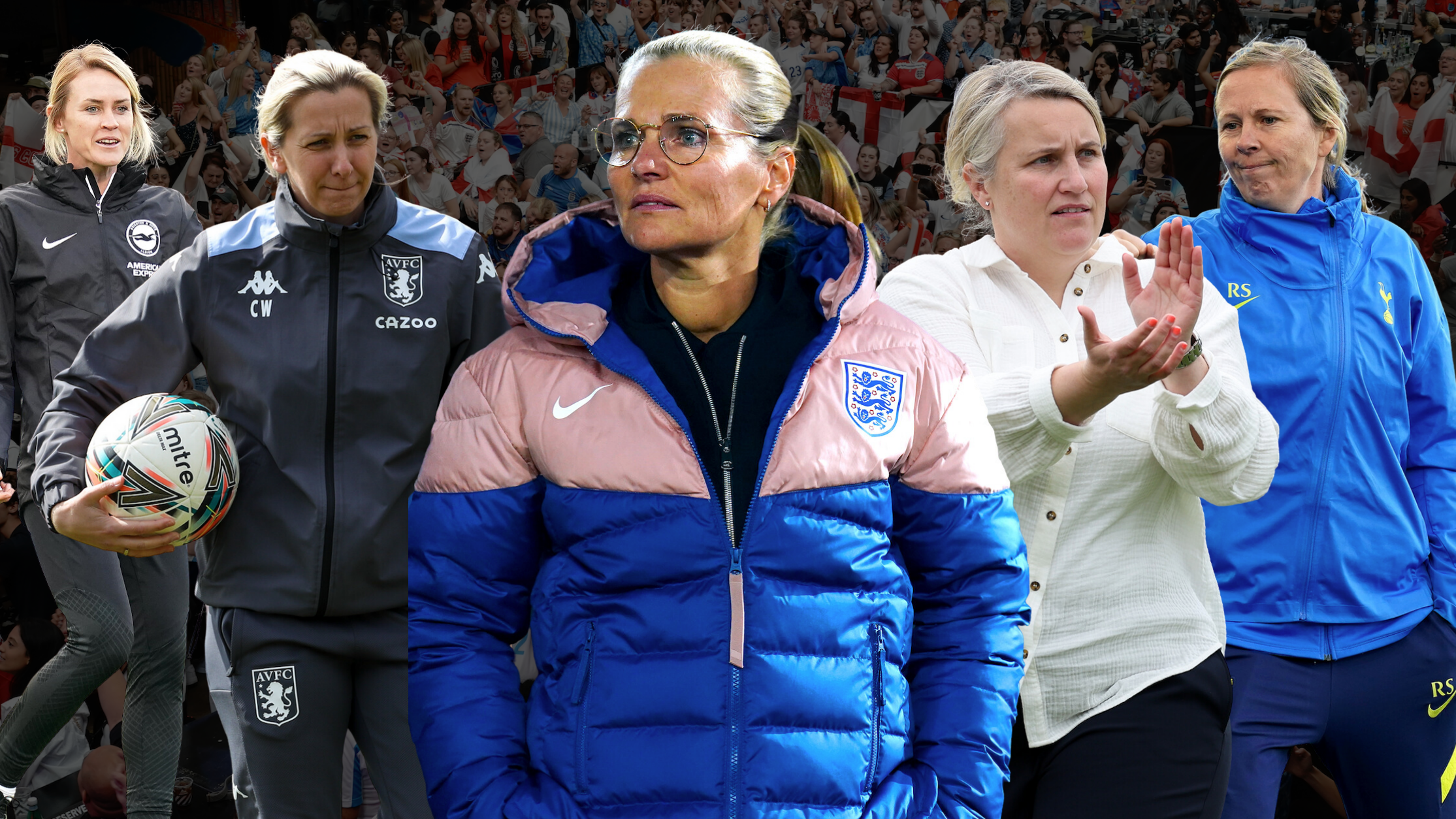
meatthesavages.com – In the world of football, a sport traditionally dominated by men, a quiet revolution is taking place. Women coaches are not just making their presence felt; they are leading the charge, breaking barriers, and redefining the game. This transformation is not just about gender equality; it’s about bringing a new perspective, approach, and dynamism to the sport.

Pioneering Women in Football Coaching

The journey of women in football coaching is marked by the courage and determination of pioneers who dared to enter a male-dominated arena. From the grassroots level to professional leagues, women coaches are proving their mettle, challenging stereotypes, and inspiring the next generation of female coaches.

Challenges and Triumphs

The path for women coaches in football has not been easy. They have faced skepticism, sexism, and a lack of opportunities. However, these challenges have only fueled their resolve. Success stories of women coaches, such as Jill Ellis, who led the United States women’s national soccer team to World Cup victories, and Emma Hayes, known for her work with Chelsea FC Women, demonstrate that with talent, dedication, and perseverance, women can excel in coaching roles.

Changing the Game from the Sidelines

Women coaches are not just succeeding; they are changing the game. They are bringing a different approach to coaching, focusing on mental health, team dynamics, and innovative training methods. Their presence is also encouraging more girls and women to participate in football, both as players and coaches.

The Future of Women in Football Coaching

The future looks bright for women in football coaching. As more women enter the coaching ranks, they are not only challenging the status quo but also paving the way for greater diversity and inclusion in the sport. The success of women coaches is a testament to their abilities and a sign that the football world is ready to embrace change.

Conclusion

The rise of women coaches in football is a story of resilience, talent, and transformation. As they continue to lead the charge, they are not just redefining the role of women in the sport but also enriching the game with their unique perspectives and contributions. The journey of women in football coaching is a powerful reminder that with determination and opportunity, there are no limits to what can be achieved.

Iconic Female Leaders in the Military: Women Warriors

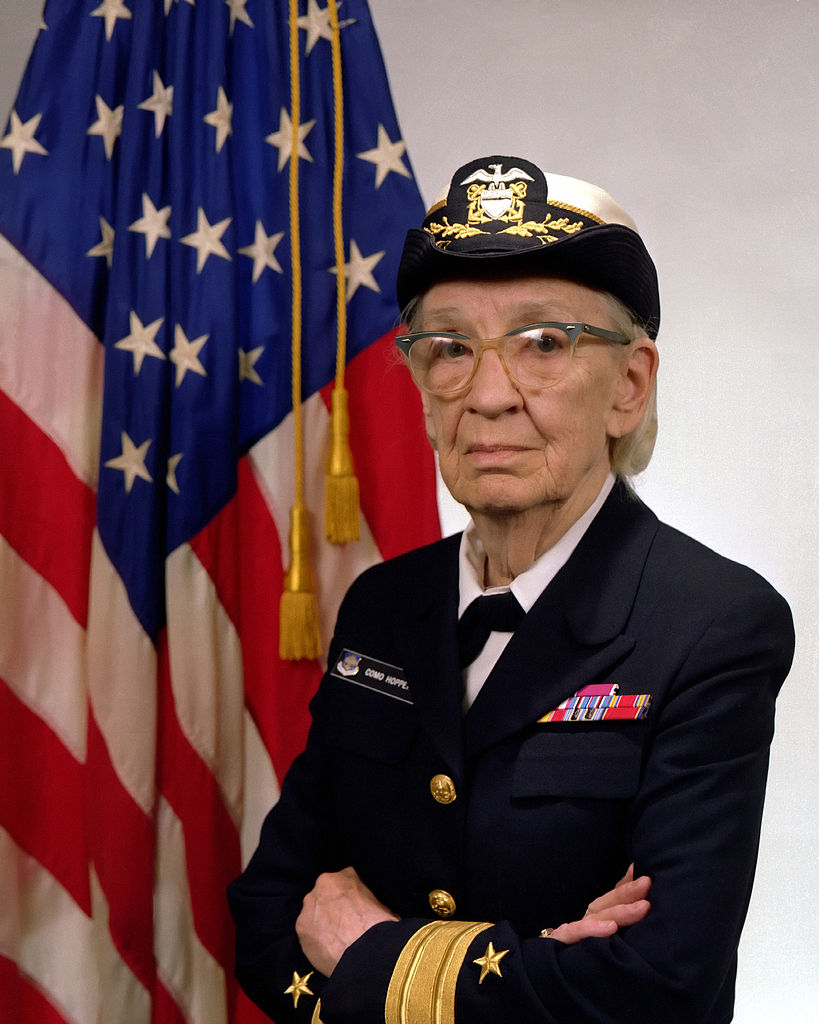
meatthesavages.com – Throughout history, women have often been overlooked in the annals of military leadership and valor. However, a closer look reveals a rich tapestry of women warriors who have led, fought, and inspired, challenging the gender norms of their times. These iconic female leaders have not only broken barriers but have also left indelible marks on the military landscape, proving that courage and leadership are not confined by gender.

Joan of Arc: The Maid of Orléans
One of the most celebrated women warriors is Joan of Arc, a French heroine of the Hundred Years’ War. Born in 1412, Joan claimed to have visions from God that instructed her to drive the English out of France. At the age of 17, she sought an audience with Charles VII and convinced him to provide her with armor and men. Under her leadership, the French army lifted the Siege of Orléans, a pivotal moment in the war. Joan’s bravery and leadership inspired the French and became a symbol of nationalism and unity. Despite her capture and execution by the English, Joan of Arc remains an iconic figure of faith, patriotism, and military leadership.

Boudica: Queen of the Iceni
Boudica, the queen of the Iceni tribe in ancient Britain, led a major uprising against the occupying forces of the Roman Empire in AD 60 or 61. After the death of her husband, the Romans reneged on a treaty, seized Iceni lands, and subjected Boudica and her daughters to public flogging and rape. This injustice sparked a rebellion that saw Boudica leading a massive Celtic army against Roman settlements. Although the uprising was ultimately quashed, Boudica’s defiance and leadership in the face of Roman oppression have made her a symbol of resistance and a legendary figure in British history.

Deborah Sampson: Revolutionary War Soldier
During the American Revolutionary War, Deborah Sampson disguised herself as a man and enlisted under the name Robert Shurtleff. She served in the Continental Army for over three years, engaging in several battles and even being wounded. Sampson’s story is a testament to the lengths women were willing to go to participate in the fight for independence. Her bravery and determination to serve her country, despite the societal and military barriers she faced, make her an iconic figure in American military history.

Ching Shih: Pirate Fleet Commander
In the early 19th century, Ching Shih commanded a formidable pirate fleet in the South China Sea, which at its peak consisted of over 1,500 ships and 80,000 pirates. Born in 1775, Ching Shih began her career as a prostitute before becoming a pirate and eventually rising to command one of the largest pirate fleets in history. Her leadership and strategic acumen allowed her fleet to dominate the South China Sea, engaging in maritime trade, piracy, and naval warfare. In 1810, she negotiated a surrender with the Chinese government, securing amnesty for her pirates and retiring to run gambling houses and brothels.

Tammy Duckworth: Modern Military Leader
Moving into the modern era, Tammy Duckworth, a former Army National Guard helicopter pilot, is an iconic figure in the U.S. military and politics. During the Iraq War, Duckworth was severely wounded when her Black Hawk helicopter was shot down, resulting in the loss of both her legs. Despite her injuries, Duckworth has continued to serve her country, first as the Assistant Secretary of Veterans Affairs and later as a U.S. Senator from Illinois. Her resilience, leadership, and advocacy for veterans and military families make her an inspiring figure in contemporary military leadership.

These women warriors, among countless others, have demonstrated that leadership and valor are not the sole province of men. Their stories challenge stereotypes, inspire future generations, and remind us of the diverse and powerful contributions women have made to military history. As we continue to break down barriers and recognize the full spectrum of human potential, the legacies of these iconic female leaders will undoubtedly continue to inspire and empower.