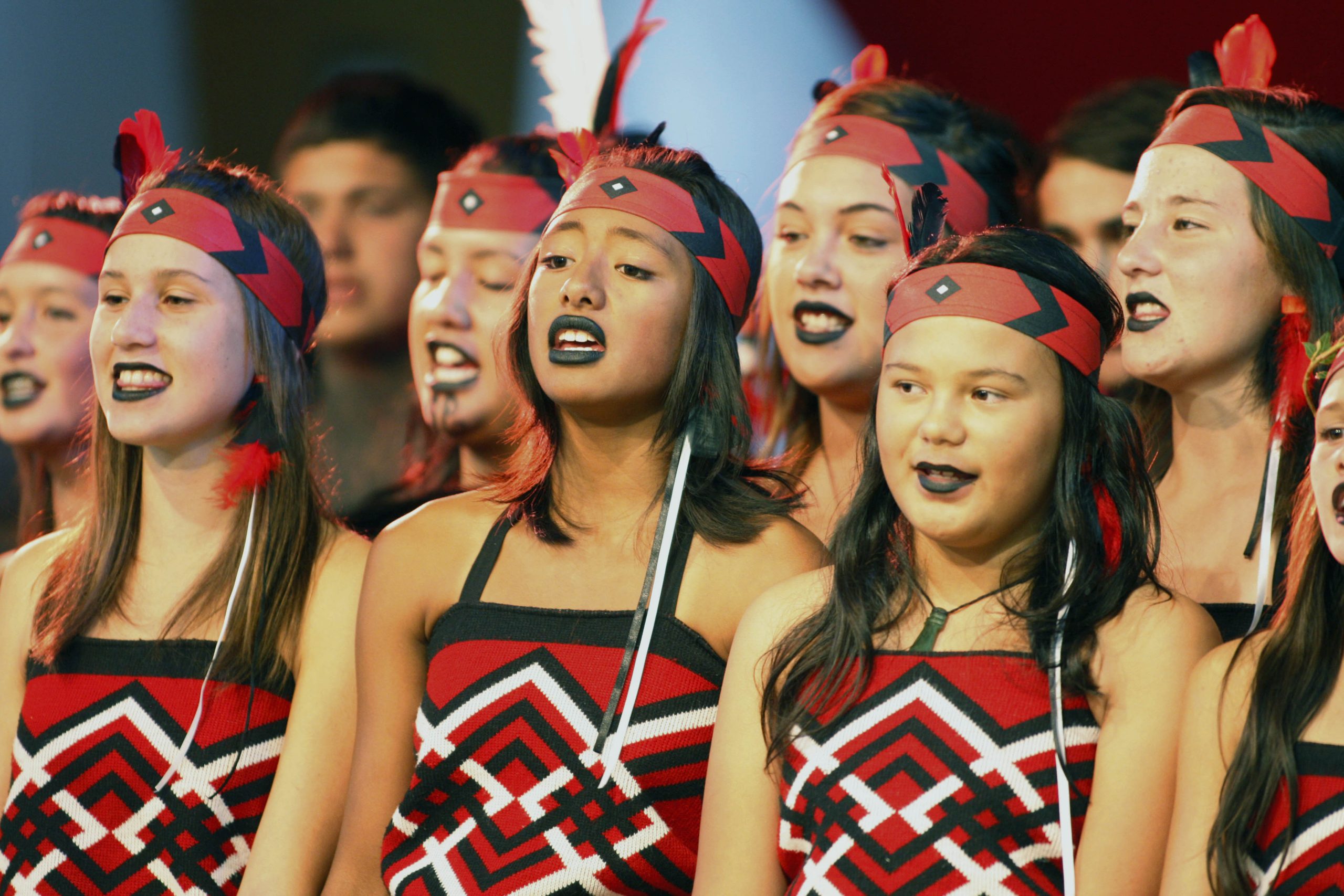
The Influence of Māori Culture on Modern New Zealand Society

meatthesavages.com – Māori culture, the indigenous culture of Aotearoa (New Zealand), has played a fundamental role in shaping the nation’s identity, values, and way of life. Despite the challenges faced by Māori communities over the years, their culture has remained a vibrant and essential part of modern New Zealand society. From language and art to politics, sports, and social customs, Māori traditions have had a lasting impact on all aspects of New Zealand life.

This article explores the influence of Māori culture on modern New Zealand, examining the ways in which traditional Māori practices and values have integrated into mainstream society, and how this ongoing influence continues to shape New Zealand’s cultural landscape.

The Resurgence of the Māori Language (Te Reo Māori)

One of the most significant contributions of Māori culture to modern New Zealand is the revitalization of Te Reo Māori, the Māori language. Once in danger of disappearing due to European colonization and the suppression of indigenous languages, Te Reo Māori has experienced a dramatic resurgence in recent decades.

The government’s recognition of Te Reo Māori as an official language in 1987, along with the establishment of Māori language immersion schools (kura kaupapa Māori) and public media platforms such as Te Karere and Radio New Zealand Māori, has played a key role in promoting the language’s use. Today, Te Reo Māori is taught in schools, used in media, and spoken by many New Zealanders, both Māori and non-Māori, as a symbol of cultural pride and identity.

Māori language has also influenced everyday speech in New Zealand. Many Māori words, phrases, and greetings have become commonplace in the national lexicon, from the familiar kia ora (hello) and haere mai (welcome) to terms used in business and politics, such as whānau (family), iwi (tribe), and mana (prestige, power). The widespread adoption of Te Reo Māori in daily life demonstrates its growing influence on the fabric of modern New Zealand society.

Māori Cultural Practices and Traditions in Mainstream Life

Māori cultural practices, including ceremonial traditions, art, and social customs, have become integral to New Zealand’s national identity. The country’s bicultural foundation—based on the Treaty of Waitangi between Māori iwi and the British Crown in 1840—has made Māori culture an essential part of New Zealand’s social and cultural life.

The Importance of the Marae

The marae, a traditional Māori meeting place, is a central cultural institution in New Zealand. While traditionally the domain of Māori communities, the marae has increasingly become a place of gathering for people from all walks of life. Many New Zealanders, both Māori and non-Māori, participate in marae-based events, such as weddings, funerals, and community celebrations, which serve as a way to connect with Māori culture and respect its customs.

The rituals associated with marae visits—such as the pōwhiri (welcome ceremony), the sharing of hongi (traditional greetings), and the exchange of koha (offerings)—are now integral to many national events, including the opening of major public events and the welcoming of international dignitaries. These traditions have become a symbol of New Zealand’s bicultural identity, promoting inclusivity and respect for Māori heritage.

Māori Art and Design

Māori art, including carving (whakairo), weaving (raranga), and tattooing (tā moko), has had a significant impact on New Zealand’s visual identity. Traditional Māori motifs and designs, such as the koru (spiral) and manaia (mythical creature), are frequently seen in architecture, fashion, and design. Māori-inspired art has become a major influence on New Zealand’s contemporary art scene, with Māori artists such as Robyn Kahukiwa, Ralph Hotere, and Shane Cotton gaining international recognition for their works that blend traditional Māori themes with modern artistic practices.

The influence of Māori art can also be seen in the design of public spaces, including the use of Māori carvings and patterns in government buildings, schools, and cultural centers. Māori art not only celebrates the nation’s indigenous culture but also plays a role in uniting New Zealanders of diverse backgrounds through shared cultural appreciation.

The Haka: A Symbol of National Pride

The haka, a traditional Māori war dance, has become one of New Zealand’s most iconic symbols. Originally performed by Māori warriors before battle, the haka is now used in a variety of settings, from sports events to cultural ceremonies. The All Blacks, New Zealand’s national rugby team, are particularly famous for performing the haka before each of their matches, symbolizing strength, unity, and respect.

The haka has become a source of national pride and is widely recognized as part of New Zealand’s unique cultural identity. It serves as a reminder of the Māori people’s resilience and the importance of tradition in modern life, inspiring both Māori and non-Māori alike to connect with the country’s indigenous heritage.

Māori Influence in Politics and Social Justice

Māori culture has had a profound impact on New Zealand’s political landscape. The recognition of Māori rights and the ongoing struggle for social justice have shaped the nation’s policies and laws, especially in relation to Māori land, language, and sovereignty.

The Treaty of Waitangi and Māori Rights

The Treaty of Waitangi, signed in 1840 between Māori chiefs and the British Crown, is the founding document of New Zealand. While its promises of protection and partnership were not always upheld, the Treaty remains a cornerstone of New Zealand’s legal and political system. Over time, the Treaty has become a vital tool in the protection of Māori rights and the reclamation of land and cultural practices.

In recent years, the New Zealand government has made significant strides in addressing historical injustices through the Treaty settlement process, which compensates Māori iwi for land and cultural losses. These settlements have empowered Māori communities and affirmed their cultural rights, while fostering greater recognition of the role that Māori culture plays in New Zealand’s national identity.

Māori Leadership and Activism

Māori leaders, such as Dame Whina Cooper, Parekura Horomia, and Tariana Turia, have been instrumental in advancing the rights and welfare of Māori communities. Māori activism has been central to challenging inequality, fighting for land rights, and addressing issues such as health disparities and education.

In recent decades, Māori political influence has grown, with the establishment of the Māori Party in 2004 and the election of Māori representatives to the New Zealand Parliament. Māori leaders have used their positions to advocate for both Māori-specific issues and broader social justice causes, ensuring that the voices of Māori people continue to be heard in New Zealand’s political discourse.

Māori Influence in Sports and Popular Culture

Māori culture has had a significant influence on New Zealand’s sporting culture, particularly through the contribution of Māori athletes and the national recognition of Māori symbols in sports. The haka, as previously mentioned, plays a key role in New Zealand’s sporting identity, symbolizing unity and strength. Māori athletes, including rugby players like Jonah Lomu, Richie McCaw, and Catherine Latu, have achieved national and international recognition, showcasing the strength and determination that Māori culture represents.

Māori influence is also evident in popular culture, with Māori music, film, and literature gaining widespread acclaim. Directors like Taika Waititi and Lee Tamahori have brought Māori stories to the global stage, while artists like Moana Maniapoto and Drax Project incorporate Māori influences into their music, creating a fusion of contemporary and traditional Māori sounds.

Conclusion

Māori culture has left an indelible mark on modern New Zealand society. Its influence is seen in language, art, politics, sports, and social customs, enriching the nation’s identity and providing a unique cultural foundation for New Zealanders of all backgrounds. The continued celebration and integration of Māori culture into mainstream society not only acknowledges the history and contributions of the Māori people but also fosters a shared sense of identity and unity in the diverse, multicultural society of Aotearoa. As New Zealand moves forward, the influence of Māori culture will continue to shape and define the nation’s path, ensuring that Māori traditions and values remain a vibrant part of the country’s future.
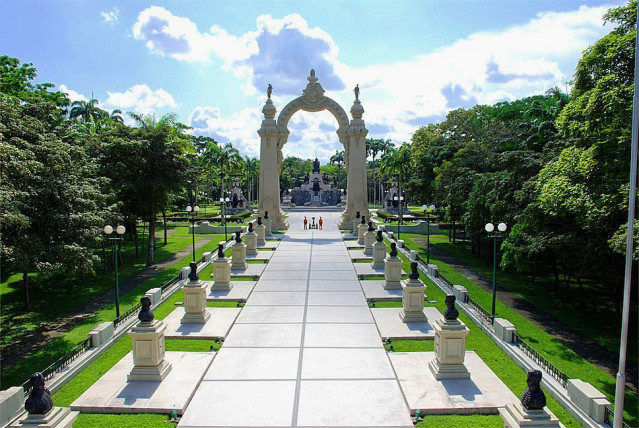
Carabobo: The Heart of Venezuelan Independence

meatthesavages.com – Carabobo, a state located in north-central Venezuela, is a region steeped in history and natural beauty. Renowned for its pivotal role in the Venezuelan War of Independence, Carabobo is a state that has shaped the course of Venezuelan history.   

The Battle of Carabobo

The most significant historical event associated with Carabobo is the Battle of Carabobo, fought on June 24, 1821. This decisive battle, led by Simón Bolívar, resulted in a decisive victory for the Venezuelan independence forces over the Spanish colonial army. The Battle of Carabobo is considered a turning point in the struggle for Latin American independence and is celebrated annually in Venezuela.   

A Diverse Landscape

Carabobo boasts a diverse landscape, ranging from coastal plains to mountainous regions. The state’s coastline, with its pristine beaches and crystal-clear waters, attracts tourists from around the world. The interior of the state is characterized by fertile valleys and rolling hills, making it an important agricultural region.

Industrial Hub and Cultural Center

Carabobo is a major industrial center in Venezuela, with a strong manufacturing sector. Cities like Valencia and Maracay are hubs for industries such as automotive manufacturing, food processing, and textiles. The state is also home to several universities and cultural institutions, contributing to its intellectual and artistic development.  

Challenges and Opportunities

Like many parts of Venezuela, Carabobo faces economic and social challenges, including inflation, unemployment, and crime. However, the state’s strategic location, diverse economy, and rich cultural heritage offer opportunities for future growth and development.

A Glimpse into the Future

As Venezuela navigates its economic and political challenges, Carabobo’s future remains uncertain. However, the state’s historical significance, natural beauty, and economic potential offer hope for a brighter future. By investing in education, infrastructure, and sustainable development, Carabobo can continue to play a vital role in Venezuela’s progress.

Galeras: A Smoking Giant Near Pasto – A Volcanic History

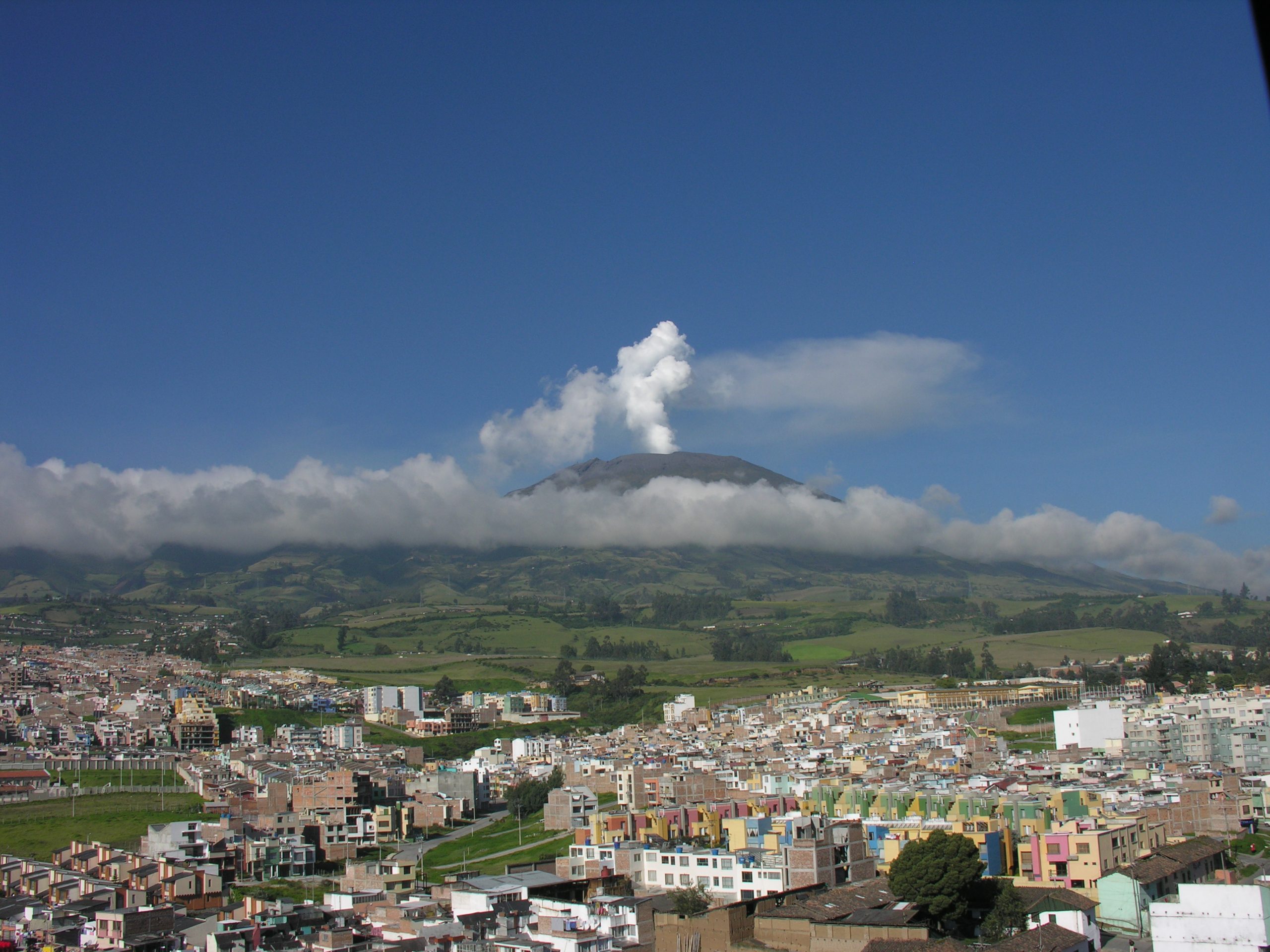
meatthesavages.com – Galeras is an active stratovolcano located near the city of Pasto in southwestern Colombia. Known for its frequent eruptions and explosive activity, it is one of the most active volcanoes in the country. Its imposing presence and potential for destructive eruptions have made it a subject of scientific study and public concern.   

A Volcanic History

Galeras has a long history of volcanic activity, with eruptions dating back thousands of years. The volcano is composed of several overlapping lava domes and craters, each with its own distinct volcanic history. The most recent major eruption occurred in 1993, when a series of explosive events forced the evacuation of the city of Pasto.

Despite the risks associated with volcanic activity, Galeras continues to attract visitors. Its dramatic landscape, with its rugged peaks and colorful volcanic deposits, offers stunning views and unique opportunities for outdoor enthusiasts. However, it is important to approach the volcano with caution and respect, as eruptions can occur without warning.

A Monitoring Challenge

Monitoring Galeras is a complex task, as the volcano’s activity can be unpredictable. Scientists use a variety of techniques, including seismic monitoring, gas emissions analysis, and satellite imagery, to track the volcano’s behavior. However, the remote location of the volcano and the challenging terrain make it difficult to collect data and implement effective monitoring systems.

A Threat to Local Communities

The city of Pasto, with a population of over 400,000 people, is located in close proximity to Galeras. This proximity makes the city vulnerable to the volcano’s hazards, including ashfall, pyroclastic flows, and lahars.   

To mitigate the risks, authorities have implemented emergency response plans and evacuation procedures. However, the unpredictable nature of volcanic eruptions means that it is essential for residents to be prepared and to follow safety guidelines.

A Fascinating Natural Phenomenon

Despite the dangers it poses, Galeras is a fascinating natural phenomenon. Its volcanic activity has shaped the surrounding landscape, creating fertile soils and unique ecosystems. The volcano’s eruptions also release gases and minerals that contribute to the Earth’s atmosphere and oceans.

Spanish Town: Jamaica’s Historic Heart

meatthesavages.com – Spanish Town, a historic city located in the heart of Jamaica, once served as the island’s capital. Steeped in rich history and colonial architecture, this charming city offers a glimpse into Jamaica’s past.

A Colonial Legacy

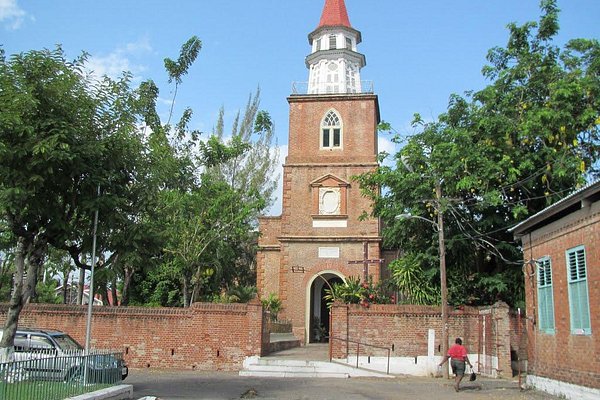
Spanish Town’s history dates back to the 16th century when it was established as a Spanish outpost. The city’s colonial past is evident in its well-preserved historic buildings, including the Old King’s House, the former official residence of the British governors of Jamaica.

A Cultural Melting Pot

Spanish Town is a cultural melting pot, reflecting the diverse influences that have shaped Jamaican society. The city’s vibrant culture is evident in its music, dance, and cuisine. Visitors can experience the local culture by attending festivals, visiting art galleries, or simply strolling through the city’s historic streets.

A Religious Hub

Spanish Town is home to several important religious sites, including Link Spaceman the Cathedral of St. Jago de la Vega, one of the oldest Anglican churches in the Western Hemisphere. The city also boasts a number of other churches and religious institutions, reflecting the diverse religious beliefs of its people.

A Historical Tour

A visit to Spanish Town is a journey through time. Visitors can explore the city’s historic sites, such as the Old King’s House, the St. Jago de la Vega Cathedral, and the Old Tavern. These landmarks offer a glimpse into Jamaica’s colonial past and its rich cultural heritage.

A Culinary Delight

Spanish Town is a foodie’s paradise, offering a variety of delicious Jamaican dishes. Visitors can savor authentic Jamaican cuisine, including jerk chicken, ackee and saltfish, and curried goat. The city’s many restaurants and street food vendors offer a wide range of culinary delights.

Spanish Town is a hidden gem that offers a unique blend of history, culture, and natural beauty. Whether you’re interested in exploring the city’s colonial past, immersing yourself in its vibrant culture, or simply enjoying delicious food, Spanish Town has something for everyone.

Misiones: A Tapestry of Jungles and Waterfalls

meatthesavages.com – Misiones, a province nestled in northeastern Argentina, is a land of lush rainforests, stunning waterfalls, and diverse wildlife. This tropical paradise offers a unique blend of natural beauty and cultural richness.

The Iguazú Falls: A Natural Wonder

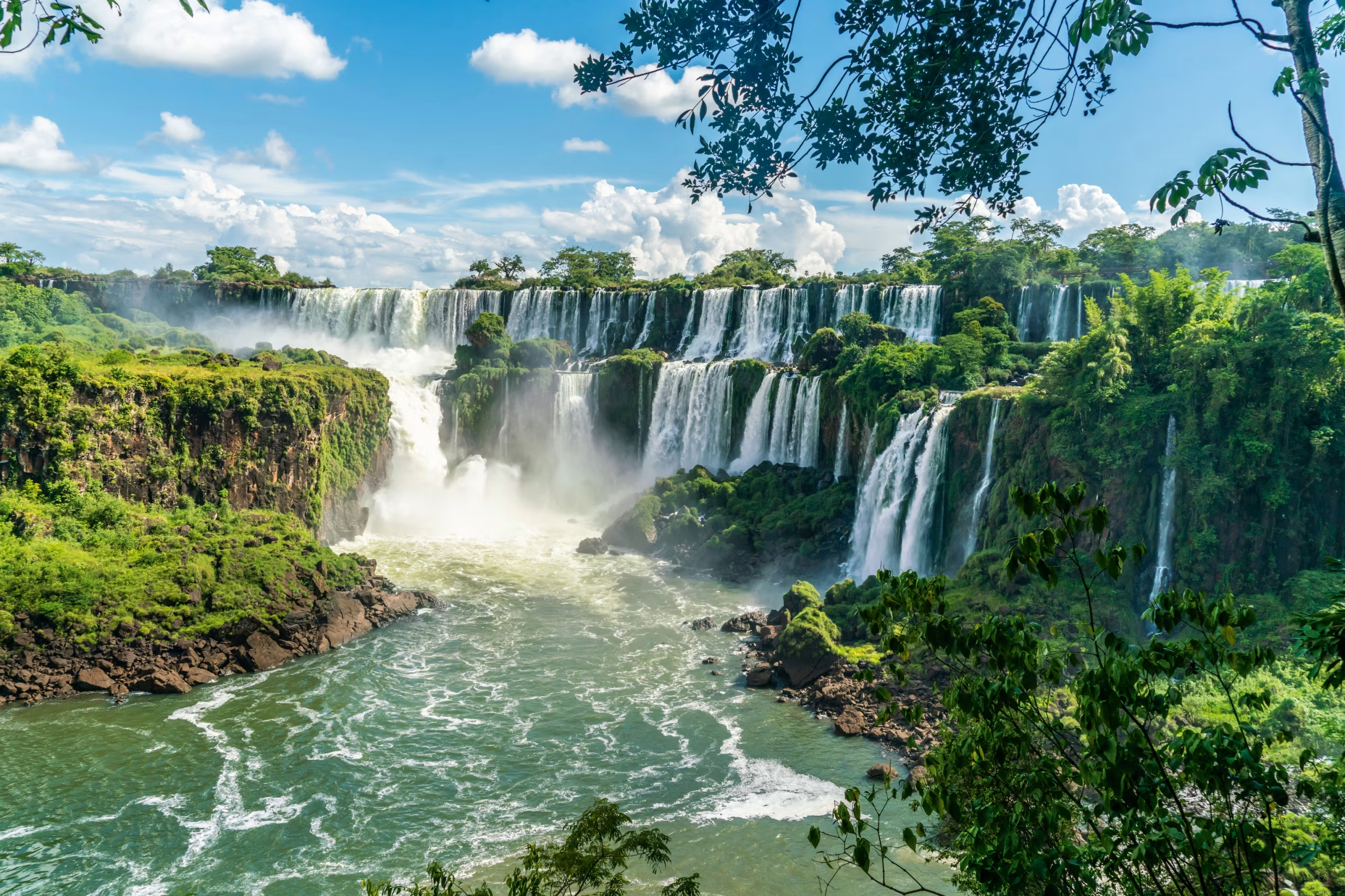
The Iguazú Falls, one of the most spectacular waterfalls in the world, is the crown jewel of Misiones. This awe-inspiring cascade of water plunges over the edge of a basalt cliff, creating a breathtaking spectacle. Visitors can explore the falls from various vantage points, including boat tours and walking trails.

The Rainforest: A Lush Oasis

Misiones is home to the Atlantic Forest, a diverse ecosystem that supports a wide range of plant and animal species. The province’s lush rainforests offer opportunities for hiking, birdwatching, and wildlife spotting. The Iguazú National Park, a UNESCO World Heritage Site, is a prime destination for exploring the region’s natural wonders.

A Cultural Melting Pot

Misiones’ cultural heritage is a fascinating blend of indigenous Guaraní cultures, Spanish colonization, and European immigration. The province’s vibrant cultural traditions are reflected in its music, dance, and cuisine. The chamamé, a traditional Argentine folk music genre, is deeply rooted in Misiones.

A Gastronomic Delight

Misiones’ cuisine is a delicious fusion of indigenous and European influences. The province is famous for its yerba mate, a traditional South American caffeinated drink. Other popular dishes include chipa guazú, a cornbread made with cheese and pumpkin, and asado, a traditional Argentine barbecue.

A Sustainable Future

Misiones is committed to sustainable development and environmental conservation. The province has implemented initiatives to protect the Iguazú National Park and promote ecotourism. By preserving its natural and cultural heritage, Misiones aims to ensure a sustainable future for generations to come.

A Tropical Paradise

Misiones, with its stunning landscapes, rich cultural heritage, and warm hospitality, is a tropical paradise. Whether you are seeking adventure, relaxation, or cultural immersion, Misiones offers a unique and unforgettable experience.

Porto: A City of Bridges, Wine, and History

meatthesavages.com – Porto, the second-largest city in Portugal, is a vibrant and historic city with a rich cultural heritage. Known for its stunning architecture, delicious food, and world-famous port wine, Porto offers a unique and unforgettable experience.

A Glimpse into History

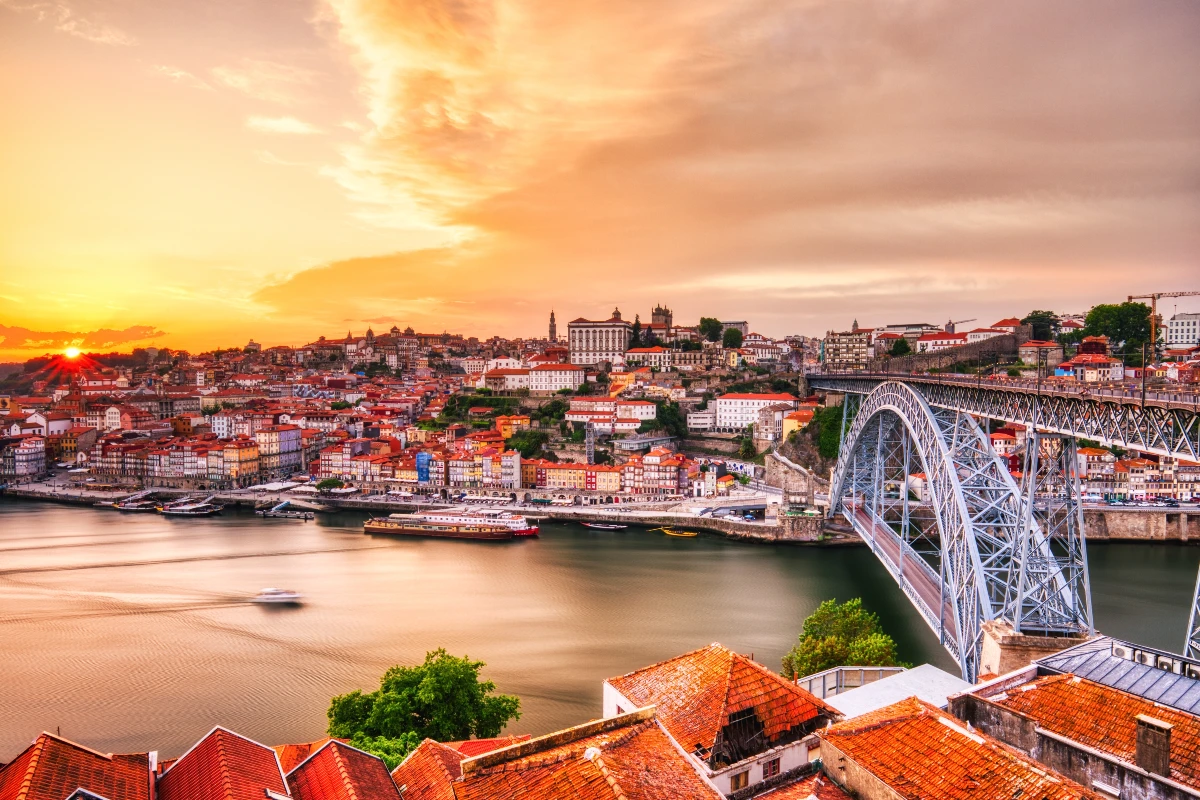
Porto’s history dates back to Roman times, when it was known as Portus Cale, the origin of the name Portugal. The city’s strategic location on the Douro River has made it a significant player throughout the centuries. During the Middle Ages, Porto emerged as a major trading port, and its influence grew with the Age of Discovery.

Exploring Porto’s Historical Treasures

  • Ribeira District: This UNESCO World Heritage Site is the heart of Porto’s historic center. Its colorful houses, narrow streets, and charming cafes create a picturesque atmosphere.
  • Dom Luís I Bridge: This iconic bridge, designed by Gustave Eiffel, connects the historic center of Porto with Vila Nova de Gaia, the heart of the port wine industry.
  • Clérigos Tower: This Baroque tower, built in the 18th century, offers panoramic views of the city. Its distinctive architecture and intricate details make it a must-see.
  • São Francisco Church: This stunning church is a masterpiece of Baroque architecture. Its ornate interior, covered in gold leaf, is a breathtaking sight.

The Port Wine Experience

Porto is synonymous with port wine, a fortified wine produced in the Douro Valley. Visitors can explore the historic cellars of Vila Nova de Gaia, sample the different varieties of port wine, and learn about the winemaking process.

A Culinary Delight

Porto’s cuisine is a delicious blend of fresh seafood, grilled meats, and hearty stews. Be sure to try local specialties like Francesinha (a hearty sandwich), bacalhau à Portuguesa (a codfish dish), and tripas à moda do Porto (tripe stew). Pair your meal with a glass of port wine or a bottle of Vinho Verde, a light and refreshing wine produced in the Minho region.

A Cultural Experience

Porto hosts a variety of cultural events throughout the year, including music festivals, art exhibitions, and traditional fairs. The city’s annual festival, the São João Festival, is a highlight of the cultural calendar, featuring colorful parades, music, and fireworks.

Cluj-Napoca: A Dynamic City with a Rich History

meatthesavages.com – Cluj-Napoca, often simply called Cluj, is a vibrant city in northwestern Romania, renowned for its rich history, stunning architecture, and vibrant cultural scene. As one of Romania’s most important economic and cultural centers, Cluj offers a unique blend of old-world charm and modern dynamism.

A Glimpse into History

Cluj’s history dates back to Roman times, when it was known as Napoca. The city has been influenced by various cultures, including Roman, Hungarian, and Romanian. This diverse heritage is reflected in its architecture, cuisine, and customs.

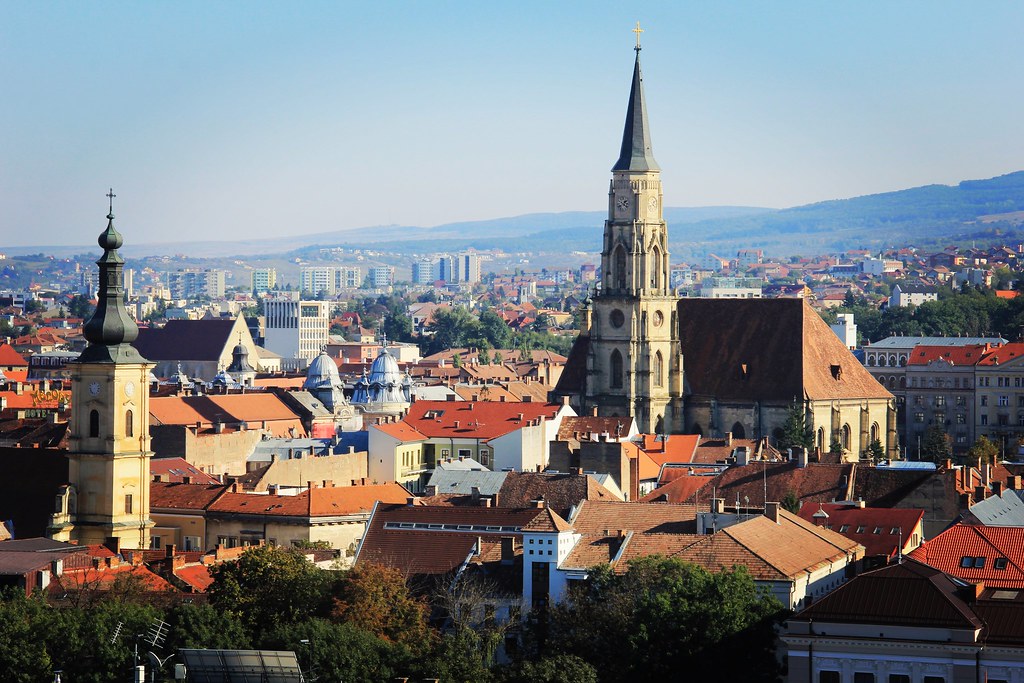
One of the most iconic landmarks in Cluj is the St. Michael’s Church, a Gothic masterpiece with stunning stained-glass windows and intricate stonework. The church’s tower offers panoramic views of the city.

A Cultural Hub

Cluj is a cultural powerhouse, with a thriving arts scene, numerous museums, and a vibrant nightlife. The city hosts various cultural events throughout the year, including music festivals, theater performances, and art exhibitions.   

The National Museum of Art of Cluj is one of the most important art museums in Romania, housing a vast collection of Romanian and international art. The Transylvanian Museum of Ethnography is another popular attraction, showcasing the rich cultural heritage of the region.

A Modern City

In recent years, Cluj has undergone significant transformation, emerging as a modern European city. The city’s skyline is dominated by sleek office buildings and luxury hotels, while its infrastructure has improved significantly. Cluj is also a hub for technology and innovation, attracting young professionals and entrepreneurs from around the world.

A Student City

Cluj is home to Babeș-Bolyai University, one of the oldest and most prestigious universities in Romania. The university’s presence has contributed to the city’s vibrant atmosphere and diverse population.

A Gastronomic Delight

Cluj’s culinary scene is diverse, offering a wide range of flavors and cuisines. Traditional Romanian dishes, such as sarmale (cabbage rolls) and ciorbă (sour soup), are popular among locals and visitors alike. The city also boasts a growing number of international restaurants, offering everything from Italian pasta to Japanese sushi.

A Warm Welcome

Cluj is a welcoming city with friendly people. Visitors will find a warm and hospitable atmosphere, making it an ideal destination for a memorable vacation.

In conclusion, Cluj-Napoca is a dynamic and exciting city with a rich history and a bright future. Whether you’re interested in history, culture, or simply exploring a vibrant metropolis, Cluj has something to offer everyone.

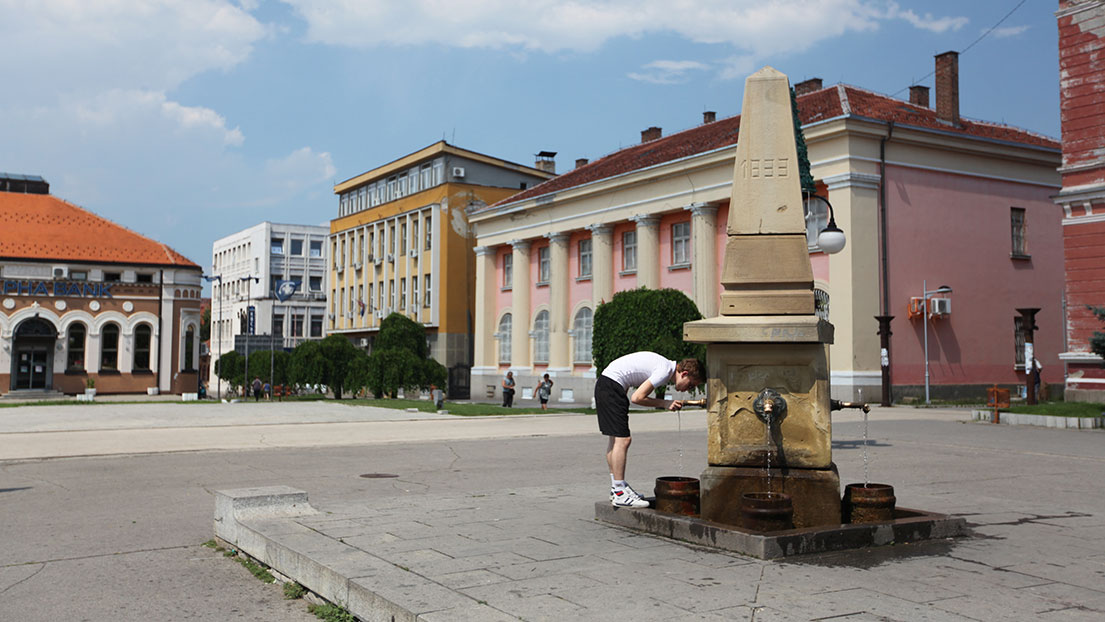
Zaječar: A Serene City with a Rich History

meatthesavages.com – Zaječar, a charming city nestled in eastern Serbia, offers a delightful blend of history, culture, and natural beauty. Situated on the Timok River, Zaječar has played a significant role in the region’s history, particularly during the Roman and Ottoman periods.

A Historical Gem

Zaječar’s rich history dates back to the Roman era, when it was known as “Felix Romuliana”. The city’s strategic location has made it a target for various conquerors throughout the centuries. The Felix Romuliana archaeological site, a UNESCO World Heritage Site, offers a fascinating glimpse into the Roman Empire’s influence on the region.

A Cultural Hub

Zaječar is a vibrant cultural center with a strong tradition of folk music and dance. The city hosts numerous festivals throughout the year, including the Zaječar Beer Festival, which attracts visitors from all over Serbia. The Zaječar National Theater offers a diverse range of theatrical performances, while the city’s museums and art galleries showcase the region’s rich cultural heritage.

A Natural Paradise

Zaječar is surrounded by stunning natural beauty. The Timok River winds its way through the city, offering opportunities for various water activities such as fishing and rafting. The surrounding mountains, including the Stara Planina and the Kučaj Mountains, provide breathtaking landscapes and popular hiking and skiing destinations.

A Modern City

Despite its historical charm, Zaječar is a modern city with a growing economy. The city has a diverse industrial base, including mining, metalworking, and food processing industries. Additionally, Zaječar is known for its excellent educational institutions, including the University of Belgrade Faculty of Philosophy.

A Gateway to Nature

Zaječar serves as a gateway to the stunning natural beauty of eastern Serbia. The nearby Stara Planina National Park, a UNESCO World Heritage Site, offers pristine forests, cascading waterfalls, and diverse wildlife. The picturesque villages of the Timok Valley, with their traditional architecture and warm hospitality, are perfect for a leisurely day trip.

In conclusion, Zaječar is a city that seamlessly blends history, culture, and nature. With its rich heritage, stunning landscapes, and vibrant atmosphere, Zaječar offers a unique and unforgettable experience for visitors. Whether you’re interested in exploring historical sites, indulging in outdoor activities, or simply relaxing in a peaceful setting, Zaječar has something for everyone.

Saint-Barthélemy: A Caribbean Paradise

meatthesavages.com – Saint-Barthélemy, often referred to as St. Barts, is a luxurious island in the Caribbean Sea. Known for its stunning beaches, upscale resorts, and vibrant nightlife, St. Barts is a popular destination for celebrities and affluent travelers. The island’s French heritage and Caribbean charm create a unique and sophisticated atmosphere.

A Tropical Paradise

St. Barts is renowned for its pristine beaches, crystal-clear waters, and lush vegetation. The island’s diverse landscape offers something for everyone, from secluded coves to bustling beaches.

  • Gustavia: The island’s capital, Gustavia, is a charming harbor town with a mix of French and Caribbean architecture. Its duty-free shops, fine dining restaurants, and lively bars attract visitors from around the world.
  • St. Jean: A popular beach town with a vibrant nightlife scene.
  • Saline Beach: A stunning white-sand beach, often considered one of the most beautiful beaches in the Caribbean.

A Taste of Luxury

St. Barts is synonymous with luxury. The island is home to a number of world-class resorts, spas, and restaurants. Visitors can indulge in gourmet dining, pampering spa treatments, and exclusive shopping experiences.

A Cultural Melting Pot

St. Barts’s culture is a fascinating blend of French and Caribbean influences. The island’s Creole heritage is evident in its music, dance, and cuisine. Visitors can experience the local culture by attending festivals, sampling Creole dishes, and exploring the island’s historical sites.

A Diver’s Paradise

St. Barts’s crystal-clear waters are ideal for diving and snorkeling. The island’s diverse marine life, including colorful coral reefs and exotic fish, attracts divers from around the world.

Conclusion

St. Barts is a luxurious and exclusive island that offers a truly unforgettable experience. Its stunning beaches, vibrant culture, and sophisticated atmosphere make it a top destination for discerning travelers.

Roti Canai: A Delectable Flatbread Delight

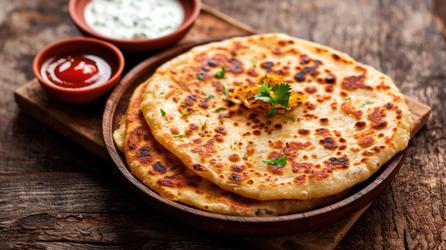
meatthesavages.com – Roti Canai is a beloved flatbread that holds a cherished place in the culinary traditions of Malaysia and beyond. Known for its flaky texture and versatility, this delicious dish has captivated the taste buds of many. Often served with dhal or curry, Roti Canai is more than just a meal; it’s a cultural experience.

The Origins of Roti Canai

Roti Canai, sometimes referred to as “roti chennai,” has origins that trace back to India, brought to Malaysia by Indian Muslim immigrants. Over time, it has evolved into a uniquely Malaysian dish, integrating local flavors and styles. The name “Canai” is believed to be derived from Chennai, an Indian city, highlighting its Indian roots.

The Art of Making Roti Canai

Creating Roti Canai is as much an art as it is a culinary skill. The dough, made from flour, water, eggs, and ghee (clarified butter), is kneaded and then left to rest. The magic happens when the dough is stretched and folded, creating layers upon layers that result in its signature flakiness. This process requires skill and practice, as the dough must be spun and twirled in the air to achieve the perfect texture.

Serving and Enjoying Roti Canai

Traditionally, Roti Canai is served with dhal, a lentil-based curry, or other types of rich and flavorful curries. Its versatility allows it to pair well with various accompaniments, from spicy sambals to sweet condensed milk for a dessert-like treat. A popular choice for breakfast or a snack, it is often enjoyed with a hot cup of teh tarik, Malaysia’s famous pulled tea.

Roti Canai Around the World

While Roti Canai is a staple in Malaysian cuisine, its popularity has spread internationally. Many Malaysian restaurants around the world offer this dish, introducing it to new audiences. Its unique combination of textures and flavors makes it a favorite among those seeking a taste of Southeast Asian cuisine.

Conclusion

Roti Canai is more than just a flatbread; it is a symbol of cultural fusion and culinary artistry. Whether enjoyed with a savory curry or a sweet topping, this delightful dish offers a taste of Malaysia’s rich culinary heritage. The next time you have the opportunity to try Roti Canai, savor each bite and appreciate the skill that goes into making this beloved flatbread.

The Rich Vanuatu Culture: Heritage and Traditions Unveiled

meatthesavages.com – Vanuatu, an archipelago in the South Pacific Ocean, is a captivating destination known for its vibrant culture and rich traditions. Steeped in history and diverse in its cultural expressions, Vanuatu offers visitors an immersive experience into its unique way of life. In this article, we delve into the heritage and traditions that define this island nation.

The Melanesian Roots

Vanuatu’s cultural tapestry is primarily woven from its Melanesian roots, with influences from Polynesian, Micronesian, and European cultures. The indigenous Ni-Vanuatu people have preserved their cultural identity through oral traditions, dance, music, and art, all of which play a significant role in their daily lives.

Kastom: The Heart of Vanuatu Culture

At the core of Vanuatu’s cultural identity is “Kastom,” a term encompassing the customs, traditions, and social norms passed down through generations. Kastom governs various aspects of life, including social structure, land ownership, and spiritual beliefs. It is a living tradition, adapting to modern influences while maintaining its foundational values.

Traditional Ceremonies and Festivals

Vanuatu is renowned for its traditional ceremonies and festivals, which are vibrant expressions of community and spirituality. The Naghol, or land diving ceremony, is perhaps the most famous, where men leap from tall wooden towers with vines tied to their ankles. This ritual, practiced on Pentecost Island, is a precursor to modern bungee jumping and symbolizes renewal and fertility.

Another significant event is the Toka Festival, a three-day celebration of dance, music, and feasting, held on Tanna Island. It brings together different tribes to strengthen alliances and resolve disputes, showcasing the importance of community cohesion.

Music and Dance: The Rhythms of Life

Music and dance are integral to Vanuatu’s cultural expression. Traditional music features unique instruments like slit drums, bamboo flutes, and conch shells, creating rhythmic and melodic sounds. Dance is a powerful storytelling medium, with each movement conveying meaning and emotion.

The custom of water music, performed by the women of Gaua Island, is particularly mesmerizing. They create rhythmic sounds by slapping, scooping, and pounding water, accompanied by harmonic singing, producing an enchanting auditory experience.

Art and Craftsmanship

Vanuatu’s artistic heritage is reflected in its intricate carvings, pottery, and woven goods. Traditional carvings often depict ancestral figures and are used in rituals and ceremonies. Woven mats, baskets, and bags are both functional and artistic, showcasing the skill and creativity of the artisans.

Language and Storytelling

With over 100 indigenous languages spoken, Vanuatu is one of the most linguistically diverse countries in the world. Storytelling is a vital tradition, preserving history, morals, and cultural values. Elders pass down stories that explain the origins of their people, the natural world, and the cosmos, ensuring the continuity of their cultural heritage.

Conclusion: A Living Heritage

Exploring Vanuatu’s culture offers a glimpse into a world where tradition and modernity coexist harmoniously. The Ni-Vanuatu people’s commitment to preserving their heritage while embracing change is a testament to their resilience and adaptability. For those seeking an authentic cultural experience, Vanuatu promises an unforgettable journey into the heart of Melanesian life.

Perubahan Sosial di Jepang: Muda-Mudi dan Gaya Hidup Modern

meatthesavages – Jepang, sebuah negara dengan sejarah panjang dan budaya yang kaya, telah mengalami banyak perubahan sosial dalam beberapa dekade terakhir. Salah satu aspek yang paling terlihat dari perubahan ini adalah gaya hidup muda-mudi Jepang. Perkembangan teknologi, globalisasi, dan perubahan nilai-nilai sosial telah mempengaruhi cara hidup generasi muda di Jepang, membawa dampak signifikan terhadap masyarakat.

Jepang memiliki tradisi budaya yang kuat, mulai dari seni, musik, hingga norma sosial yang telah ada selama berabad-abad. Namun, setelah Perang Dunia II, Jepang mengalami pemulihan yang cepat dan memasuki era modernisasi. Pertumbuhan ekonomi yang pesat pada tahun 1960-an dan 1970-an membawa banyak perubahan dalam kehidupan sehari-hari masyarakat, termasuk gaya hidup muda-mudi.

Globalisasi telah membuka pintu bagi masuknya berbagai pengaruh luar, terutama dari budaya Barat. Muda-mudi Jepang kini lebih terpapar dengan tren global, baik melalui media sosial, film, musik, maupun fashion. Hal ini terlihat dalam gaya berpakaian mereka yang semakin bervariasi dan berani, serta ketertarikan mereka terhadap produk-produk luar negeri.

Kemajuan teknologi, terutama dalam bidang komunikasi, telah mengubah cara muda-mudi Jepang berinteraksi. Smartphone dan media sosial seperti Twitter, Instagram, dan TikTok menjadi bagian integral dari kehidupan mereka. Muda-mudi Jepang menggunakan platform ini untuk mengekspresikan diri, berbagi pengalaman, dan membangun komunitas. Namun, penggunaan teknologi juga membawa tantangan, seperti kecanduan internet dan pengurangan interaksi tatap muka.

perubahan-sosial-di-jepang-muda-mudi-dan-gaya-hidup-modern

Generasi muda Jepang menunjukkan perubahan dalam nilai dan sikap terhadap kehidupan. Banyak dari mereka yang lebih mementingkan kebebasan individu dan keseimbangan antara kehidupan pribadi dan pekerjaan. Konsep “hikikomori,” yang menggambarkan individu yang memilih untuk mengisolasi diri dari dunia luar, menjadi semakin umum di kalangan muda-mudi. Sementara itu, ada juga peningkatan kesadaran akan isu-isu sosial seperti lingkungan dan hak asasi manusia.

Gaya hidup konsumsi muda-mudi Jepang juga mengalami perubahan. Mereka lebih memilih pengalaman daripada kepemilikan barang, sehingga meningkatkan permintaan terhadap layanan seperti perjalanan, makanan, dan hiburan. Fenomena “minimalisme” semakin populer, di mana banyak orang muda yang memilih untuk memiliki lebih sedikit barang dan lebih fokus pada kualitas hidup.

Perubahan sosial ini juga berdampak pada kesehatan mental generasi muda. Tekanan untuk berhasil dalam pendidikan dan karier seringkali menyebabkan stres yang tinggi. Muda-mudi Jepang semakin terbuka dalam membahas isu kesehatan mental, dan ada gerakan untuk mengurangi stigma yang terkait dengan masalah ini.

Perubahan sosial yang terjadi di slot server jepang, terutama di kalangan muda-mudi, mencerminkan dinamika yang kompleks antara tradisi dan modernitas. Meskipun banyak tantangan yang dihadapi, seperti stres dan tekanan sosial, generasi muda Jepang menunjukkan kemampuan untuk beradaptasi dan mengembangkan gaya hidup yang unik. Dengan terus berkembangnya teknologi dan pengaruh global, masa depan gaya hidup muda-mudi Jepang akan tetap menarik untuk disimak.

Denmark: Tranquil Territory – A Peaceful Lifestyle

meatthesavages.com – Denmark, often celebrated for its rich history, vibrant culture, and scenic landscapes, is a country that embodies tranquility and harmony. Nestled in Northern Europe, this Scandinavian gem is a harmonious blend of modernity and tradition, making it a unique destination for travelers and an enviable place to live.

A Peaceful Lifestyle

Denmark is renowned for its peaceful lifestyle. The Danish concept of “hygge,” which emphasizes coziness and comfortable conviviality, reflects the country’s approach to life. This philosophy contributes to the high quality of life and happiness for which the Danes are famous. Whether it’s enjoying a warm cup of coffee by the fireplace or spending time with loved ones, hygge is a way of life that encourages contentment and relaxation.

Scenic Beauty and Architecture

The country’s landscape is dotted with picturesque villages, rolling hills, and stunning coastlines. From the sandy beaches of the west coast to the rolling landscapes of Zealand, Denmark offers a diverse range of natural beauty. Additionally, Denmark is home to a plethora of architectural marvels, from the historic castles like Kronborg to the modern, eco-friendly designs of Copenhagen. The city’s architecture perfectly captures the blend of old and new, with structures that are both functional and aesthetically pleasing.

Sustainable Living

Denmark is a world leader in sustainability and green living. The country has made significant strides in renewable energy, particularly wind power, and aims to be carbon-neutral by 2050. Copenhagen, the capital city, is a testament to Denmark’s commitment to sustainability, with an extensive network of cycling paths and a focus on reducing carbon emissions. This dedication to the environment not only preserves Denmark’s natural beauty but also enhances the quality of life for its residents.

Cultural Richness

The cultural scene in Denmark is vibrant and diverse. The country is home to numerous museums, galleries, and theaters, offering a rich tapestry of art, music, and performance. The Danish Royal Ballet and the Copenhagen Opera House are just a few examples of the thriving cultural institutions that attract audiences from around the world. Additionally, Denmark’s culinary scene is gaining international acclaim, with a focus on fresh, local ingredients and innovative cooking techniques.

Conclusion

Denmark is a tranquil territory that offers a perfect blend of natural beauty, cultural richness, and sustainable living. Its commitment to harmony and happiness makes it not just a place to visit, but a place to experience a different way of life. Whether you’re exploring the cobblestone streets of Copenhagen or relaxing in the serene countryside, Denmark provides a peaceful retreat from the hustle and bustle of everyday life.

Pesona Kampot: Kota Tua dengan Pemandangan Gunung Bokor

meatthesavages – Terletak di tepi Sungai Kampot dan dikelilingi oleh keindahan alam yang menakjubkan, Kampot telah menjadi tujuan wisata yang menarik bagi para pelancong. Kota tua ini menawarkan perpaduan unik antara warisan budaya, sejarah, dan keindahan alam, menjadikannya tempat yang wajib dikunjungi saat berada di Kamboja.

Kampot, yang didirikan pada abad ke-19, merupakan pusat perdagangan utama pada masa kolonial Prancis. Banyak bangunan tua bergaya kolonial yang masih terawat hingga kini, memberikan nuansa nostalgia bagi para pengunjung. Di sepanjang jalan utama, pengunjung dapat menemukan deretan kafe, restoran, dan toko-toko yang menjual kerajinan tangan lokal serta produk-produk unik dari Kamboja.

Salah satu daya tarik utama kota ini adalah pasar malamnya yang ramai, di mana pengunjung bisa mencicipi berbagai makanan khas Kamboja, seperti amok, lok lak, dan berbagai jenis makanan laut segar. Suasana malam yang hidup, diiringi musik lokal, membuat Kampot semakin menarik untuk dijelajahi.

pesona-kampot-kota-tua-dengan-pemandangan-gunung-bokor

Salah satu pemandangan paling menakjubkan dari Kampot adalah Gunung Bokor, yang terletak tidak jauh dari kota. Gunung ini, yang memiliki ketinggian sekitar 1.080 meter, dikenal dengan pemandangan spektakulernya yang menakjubkan. Pengunjung dapat naik mobil atau motor ke puncak gunung untuk menikmati panorama yang memukau dari kota, sawah, dan pantai di sekitarnya.

Di puncak Gunung Bokor, terdapat beberapa tempat menarik, termasuk reruntuhan bekas kasino dan gereja yang terbengkalai, yang menambah daya tarik sejarah dan misteri kawasan ini. Selain itu, area sekitar gunung merupakan hutan tropis yang lebat, yang menjadi rumah bagi berbagai spesies flora dan fauna, menjadikannya lokasi ideal untuk trekking dan petualangan alam.

Kampot menawarkan beragam aktivitas bagi para pelancong. Selain menikmati pemandangan Gunung Bokor, pengunjung dapat mencoba berbagai aktivitas air di Sungai Kampot, seperti kayak dan perahu. Wisatawan juga dapat mengunjungi ladang lada Kampot yang terkenal, di mana mereka dapat belajar tentang proses penanaman dan pengolahan lada yang menjadi salah satu komoditas unggulan Kamboja.

pesona-kampot-kota-tua-dengan-pemandangan-gunung-bokor

Untuk pecinta seni dan budaya, Kampot juga sering mengadakan festival dan acara budaya, yang memberikan kesempatan bagi pengunjung untuk merasakan kehidupan lokal dan berinteraksi dengan penduduk setempat.

Kampot adalah kombinasi sempurna antara sejarah kamboja slot, budaya, dan keindahan alam. Dengan pesonanya yang unik, kota tua ini berhasil menarik perhatian banyak wisatawan baik lokal maupun mancanegara. Tidak hanya menawarkan pengalaman wisata yang beragam, Kampot juga merupakan tempat yang ideal untuk bersantai dan menikmati keindahan alam, terutama dengan latar belakang Gunung Bokor yang menakjubkan.

Qatar Retain Title in the Greatest Ever Asian Cup

meatthesavages.com – Doha, Qatar: In a thrilling finale, Qatar retained their AFC Asian Cup title by defeating Jordan 3-1 in the all-Arab final at Lusail Stadium. The victory was secured with a hat-trick of penalties by Akram Afif, making it a memorable night for the hosts and their fans.

Akram Afif’s Heroics

Akram Afif was the star of the show, converting all three penalties to secure the win for Qatar. His performance not only sealed the victory but also cemented his status as one of the greatest players in the history of the Asian Cup.

A Pulsating Final

The final was a high-stakes match, with both teams giving their all. Qatar’s defense was solid, and their attack was lethal, especially through Afif’s clinical finishing. The 86,500 spectators at Lusail Stadium were treated to a spectacle of football, with Qatar’s victory being a testament to their skill and determination.

Celebrations and Recognition

Amir H H Sheikh Tamim bin Hamad Al Thani was present to crown Qatar as the champions, adding to the grandeur of the occasion. The victory was a significant achievement for Qatar, who now have back-to-back Asian Cup titles, solidifying their position as one of the top football nations in Asia.

Conclusion

Qatar’s retention of the AFC Asian Cup title is a milestone in their football history. The performance of Akram Afif and the team’s overall effort have made this edition of the Asian Cup one of the greatest ever. As Qatar continues to build on its footballing legacy, the memories of this victory will remain etched in the hearts of fans for years to come.

Easter Island: A Remote Paradise in the Pacific

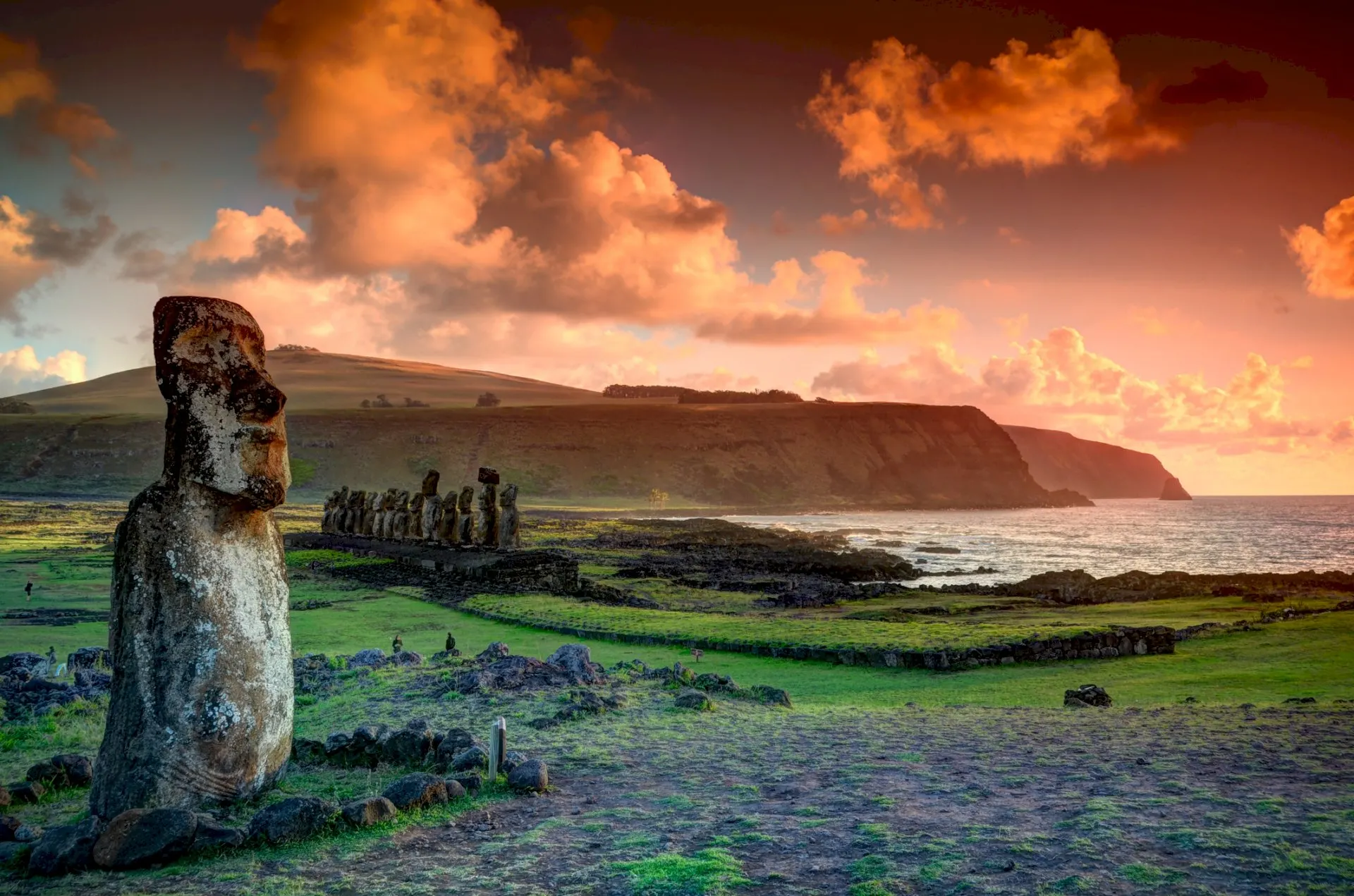
meatthesavages.com – Nestled in the vast expanse of the Pacific Ocean, Easter Island, or Rapa Nui as it is known locally, stands as a testament to human ingenuity and mystery. This small volcanic island, belonging to Chile, is renowned for its monumental statues, known as moai, which have puzzled archaeologists and historiors for centuries. Despite its remote location, some 3,500 kilometers off the coast of Chile, Easter Island has become a significant destination for travelers seeking to unravel the enigmas of the past and experience the beauty of a unique Polynesian culture.

The Enigma of the Moai

The most striking feature of Easter Island is undoubtedly its collection of over 900 moai statues, which were carved by the Rapa Nui people between the years 1250 and 1500. These monolithic human figures, with their oversized heads and serene expressions, are believed to represent deified ancestors and were integral to the island’s religious practices. The construction, transportation, and purpose of these statues remain subjects of intense study and speculation, with theories ranging from ritualistic to astronomical significance.

A Rich Cultural Heritage

Easter Island’s cultural heritage is as intriguing as its statues. The Rapa Nui people have a rich oral tradition, which includes the story of the island’s creation and the legendary birdman cult that emerged after the fall of the moai culture. The island’s language, Rapa Nui, is a Polynesian language that has been preserved and is still spoken today, alongside Spanish and English. The annual Tapati Rapa Nui festival, held in February, is a vibrant celebration of the island’s cultural heritage, featuring traditional music, dance, and sports.

Natural Beauty and Biodiversity

Beyond its historical significance, Easter Island is a place of stunning natural beauty. Its rugged volcanic landscape, dotted with ancient quarries and ceremonial sites, offers a unique setting for exploration and reflection. The island’s coastline is equally impressive, with crystal-clear waters, white sandy beaches, and dramatic cliffs. Easter Island is also home to a variety of endemic flora and fauna, including the toromiro tree, which was once thought to be extinct but has been successfully reintroduced to the island.

Preservation and Sustainability

The preservation of Easter Island’s cultural and natural heritage is a top priority for both the local community and international organizations. Efforts are underway to protect the moai statues from environmental degradation and to restore the island’s ecosystem. Sustainable tourism practices are being promoted to ensure that visitors can enjoy the island’s wonders without compromising its delicate balance.

Conclusion

Easter Island is more than just a remote paradise in the Pacific; it is a living museum that offers a glimpse into one of the most fascinating chapters of human history. Its enduring mysteries, combined with its natural beauty and vibrant culture, make it a destination like no other. For those who seek to explore the unknown and appreciate the marvels of our world, Easter Island awaits, ready to share its secrets with those who tread respectfully upon its hallowed ground.

Nauru’s Natural Resources & Environmental Issues

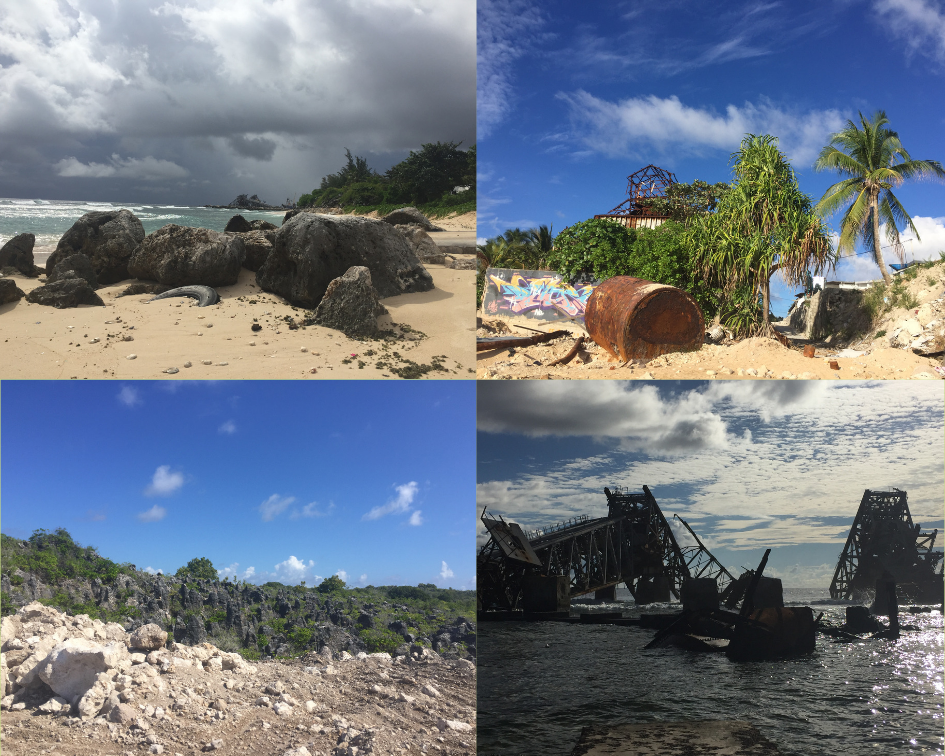
meatthesavages.com – Nauru, a small island nation located in the Pacific Ocean, faces significant environmental challenges that threaten its natural resources and overall sustainability. This article explores the natural resources of Nauru and the environmental issues it encounters, highlighting the impact of climate change, phosphate mining, and other ecological concerns.

Natural Resources of Nauru

Phosphate

Nauru’s most significant natural resource is phosphate, a mineral essential for fertilizers. The island has been mined for phosphate since the early 1900s, which has been a major economic driver for the country. However, this extensive mining has led to severe environmental degradation, rendering much of the island uninhabitable.

Coral Reefs

Nauru is surrounded by coral reefs, which are among the richest ecosystems in the world. These reefs support a diverse array of marine life and are crucial for the island’s fisheries and tourism industries.

Environmental Issues

Climate Change

Nauru is highly vulnerable to the effects of climate change. Rising sea levels pose a significant threat to the island’s low-lying coastal areas, where the majority of the population resides. Extreme weather events, ocean acidification, and coral bleaching are additional challenges that exacerbate the island’s environmental stress.

Phosphate Mining

Over a century of phosphate mining has devastated Nauru’s landscape. Approximately 80% of the island has been mined, leaving behind a barren and toxic landscape. The environmental damage from mining has led to soil erosion, loss of biodiversity, and significant health risks for the local population.

Waste Management

Nauru struggles with waste management issues, particularly the disposal of hazardous waste from mining operations. The improper disposal of chemicals and waste has contaminated the soil and water sources, further degrading the environment.

Water Scarcity

The island faces severe water scarcity due to its limited freshwater resources and the contamination caused by mining activities. This scarcity impacts both human consumption and agricultural needs, posing a significant challenge to the island’s sustainability.

Conclusion

Nauru’s environmental issues are complex and multifaceted, driven by historical phosphate mining, climate change, and inadequate waste management. Addressing these challenges requires comprehensive strategies that balance economic development with environmental protection. International support and cooperation are crucial for Nauru to navigate these challenges and ensure a sustainable future for its people and natural resources.

Sustainable Tourism in Iceland: Environmental Responsibility

meatthesavages.com – Iceland, a land of breathtaking natural beauty, has become a popular destination for tourists seeking unique experiences. However, the rapid growth of tourism has posed significant challenges to the country’s environment and local communities. In response, Iceland has implemented various initiatives to promote sustainable tourism practices, ensuring that the industry’s growth does not come at the expense of the environment or local cultures.

Government and Community Efforts

The Icelandic government, in collaboration with local communities, has taken proactive steps to encourage sustainable tourism. These efforts include the implementation of policies aimed at reducing the environmental impact of tourism and promoting responsible travel practices. The government has also worked to educate tourists about the importance of respecting the natural environment and local cultures, ensuring that visitors leave a positive impact on the places they visit.

Sustainable Practices by Tour Operators

Tour operators in Iceland, such as Forest Cat Travel, have adopted comprehensive sustainability policies to minimize the negative effects of tourism. These policies focus on reducing waste, using renewable energy sources, and supporting local communities. For instance, Forest Cat Travel has achieved the “Travelife Engaged” certification and is working towards the “Travelife Partner” certification, which requires meeting over 100 sustainability criteria. The company’s efforts include using electronic travel documents, sourcing from local suppliers, and promoting responsible travel behavior among tourists.

Strategic Initiatives

One of the key strategic initiatives in Iceland is the reintroduction of the accommodation tax, which was previously in place before the pandemic. This tax helps fund sustainable tourism projects and infrastructure, ensuring that the benefits of tourism are distributed equitably among local communities and used to protect the environment.

Sustainable Accommodation

Iceland is home to numerous eco-friendly hotels and accommodations that are committed to reducing their carbon footprint. These establishments use renewable energy sources, implement waste reduction strategies, and support local economies. The country’s commitment to sustainable tourism is evident in the growing number of hotels that have achieved sustainability certifications, making Iceland a prime destination for eco-conscious travelers.

Economic and Social Impact

The growth of tourism has had a significant positive impact on Iceland’s economy, providing new job opportunities and services, particularly in rural areas. The majority of Icelanders view tourism positively, recognizing its role in economic development and social well-being. However, there is a strong emphasis on ensuring that this growth is sustainable, balancing economic benefits with environmental and social responsibilities.

Conclusion

Sustainable tourism in Iceland is a multifaceted effort involving government policies, community engagement, and responsible practices by tour operators and accommodations. By focusing on reducing environmental impact, supporting local communities, and promoting responsible travel, Iceland is setting a benchmark for sustainable tourism practices. As the industry continues to grow, it is crucial that these efforts are maintained to ensure that the beauty and integrity of Iceland’s natural and cultural heritage are preserved for future generations.

From National Obsession to Global Success: Australian Sports

meatthesavages.com – Sports in Australia are more than just a pastime; they are a way of life. The nation’s love affair with sports is deeply ingrained in its culture, with a significant portion of the population actively participating in or passionately following a wide range of sports. This national obsession is evident in the high attendance rates at sporting events, the extensive media coverage, and the strong community involvement in local sports clubs and competitions.

The Role of Sports in Australian Society

Sports play a pivotal role in Australian society, fostering a sense of community and national pride. They provide a platform for social interaction, physical well-being, and personal achievement. From the local park cricket matches to the elite leagues, sports are a unifying force that transcends cultural, social, and economic barriers.

The Global Success of Australian Sports

Australia’s national obsession with sports has not only fueled a vibrant domestic sports culture but has also propelled its athletes and teams to global success. Australian athletes have made their mark on the international stage across a variety of sports, showcasing their talent, dedication, and competitive spirit.

Olympic and Paralympic Success

Australia has a proud history of success at the Olympic and Paralympic Games. The country’s athletes have consistently delivered outstanding performances, winning numerous medals and setting world records. This success is a testament to the high level of sports development and the investment in talent identification and training programs.

Global Dominance in Specific Sports

Australia has achieved global dominance in several sports, including cricket, rugby league, netball, and swimming. The Australian cricket team has been a powerhouse in international cricket, while the national rugby league team, the Kangaroos, has enjoyed significant success in the Rugby League World Cup. The Australian women’s national netball team, the Diamonds, is one of the top teams in the world, and Australian swimmers have consistently excelled at the Olympic Games and World Championships.

The Rise of Australian Tennis

Tennis is another sport where Australia has made a significant global impact. The Australian Open, one of the four Grand Slam tournaments, is a prestigious event that attracts the world’s best players. Australian tennis players, such as Rod Laver, Margaret Court, and more recently, Ashleigh Barty, have achieved legendary status in the sport.

The Economic and Social Impact of Sports in Australia

The success of Australian sports on the global stage has significant economic and social implications. It drives tourism, generates employment opportunities, and contributes to the nation’s economy. Moreover, sports success fosters a sense of national pride and unity, enhancing Australia’s international reputation.

The Role of Sports in Youth Development

Sports also play a crucial role in youth development, promoting values such as teamwork, discipline, and resilience. Many successful Australian athletes attribute their achievements to the early involvement in sports, which provided them with the foundation for their future success.

Conclusion

The journey of Australian sports from a national obsession to global success is a remarkable story of talent, passion, and dedication. It reflects the nation’s unwavering commitment to sports excellence and its ability to produce world-class athletes and teams. As Australia continues to invest in sports development and nurture young talent, it is poised to maintain its status as a global sports powerhouse for years to come.

Multiple Identities: A Guide to Passport for Dual Citizenship

meatthesavages.com – In an increasingly globalized world, dual citizenship has become a common reality for many individuals. Holding passports from two countries can offer a unique blend of cultural, social, and economic opportunities. However, it also presents its own set of challenges, particularly in terms of identity and legal navigation. This article aims to provide a comprehensive guide for those seeking to understand the complexities of dual citizenship and how to manage a passport for each nationality.

Understanding Dual Citizenship

Dual citizenship, also known as dual nationality, allows an individual to be a citizen of two countries simultaneously. Each country has its own laws regarding dual citizenship, and it is essential to be aware of these regulations to avoid any legal complications. Some countries automatically grant citizenship to children born within their borders, while others may require a more involved process, such as naturalization.

Acquiring a Passport for Dual Citizenship

The process of obtaining a passport for dual citizenship varies depending on the countries involved. Generally, applicants must provide proof of citizenship, such as a birth certificate, parental citizenship documents, or naturalization papers. It is crucial to follow the specific guidelines and requirements set by each country’s passport office to ensure a smooth application process.

Managing Multiple Passports

Having multiple passports can be advantageous, such as when traveling or accessing benefits from both countries. However, it also requires careful management. Individuals must keep their passports up to date and be aware of the entry and exit requirements of the countries they visit. Additionally, they should be mindful of the tax implications and voting rights that come with dual citizenship.

Legal Considerations

Dual citizens should be aware of the legal obligations they have to both countries. This includes understanding the tax laws, military service requirements, and the right to work and reside in each country. It is also important to consider how dual citizenship may affect estate planning and inheritance rights.

Cultural Identity and Dual Citizenship

Beyond the legal aspects, dual citizenship can have a profound impact on an individual’s cultural identity. It can foster a sense of belonging to two distinct cultures and offer a broader perspective on the world. Embracing dual citizenship can be a way to honor one’s heritage while also integrating into a new society.

Conclusion

Navigating the complexities of dual citizenship and managing multiple passports requires careful consideration and planning. By understanding the legal implications, cultural nuances, and practical steps involved, individuals can fully embrace the benefits of their dual nationality. Whether for travel, work, or personal identity, a passport for dual citizenship opens doors to a world of possibilities.

The Gambia’s Infrastructure: Development & Needs

meatthesavages.com – The infrastructure of The Gambia, a small West African country, is a critical component of its development landscape. While the country has made strides in improving its infrastructure, there are still significant needs and challenges that must be addressed to support sustainable growth and development.

Current Status and Development

The Gambia’s infrastructure has seen notable improvements, particularly in transportation and urban development. The Banjul Rehabilitation Project, for instance, aims to invest $35 million to rehabilitate 37 km of roads and improve the drainage and sewage system in the capital city of Banjul. Additionally, the government has funded essential infrastructure projects such as roads, bridges, and ports through both domestic and international financing.

One of the most significant recent infrastructure projects was the $14 million renovation of the Banjul International Airport, which involved modernizing and expanding the runway. These developments reflect a commitment by the government to enhance the country’s infrastructure, which is crucial for economic growth and improving the quality of life for its citizens.

Challenges and Needs

Despite these advancements, The Gambia faces several challenges in its infrastructure development. The country’s infrastructure is broadly at the average of peer countries but is significantly below the Sustainable Development Goals (SDG) needs. This gap highlights the need for increased public investment in infrastructure, which must be balanced against potential fiscal risks related to future Public Private Partnerships (PPPs).

The rapid urban growth in metropolitan areas poses a significant challenge to ensuring sustainable infrastructure development. The government must address the need for sustainable infrastructure that can support this growth without compromising the environment or exacerbating existing urban problems.

Financing the Infrastructure Gap

Financing the infrastructure gap is a critical issue for The Gambia. The country’s fiscal space for financing critical infrastructure and human capital development needs is very limited, which has denied the private sector access to finance. This situation underscores the need for innovative financing mechanisms and increased international support to bridge the infrastructure gap.

Conclusion

The Gambia’s infrastructure development is a complex and ongoing process that requires strategic planning and significant investment. While the country has made commendable progress, there are still substantial challenges that need to be addressed to ensure sustainable development. By focusing on sustainable infrastructure, innovative financing mechanisms, and strategic partnerships, The Gambia can continue to improve its infrastructure and support its citizens’ well-being.

From the Track to the Pitch: Kenya’s Sports Triumphs

meatthesavages.com – Kenya’s sports landscape is a tapestry of triumphs, woven with the threads of endurance, skill, and passion. From the track to the pitch, Kenyan athletes have carved a legacy of excellence that resonates globally. This article delves into the heart of Kenya’s sporting successes, highlighting the achievements that have put the country on the world map.

The Dominance on the Track

Kenya’s prowess on the track is unparalleled, with a rich history of long-distance running dominance. Athletes like Eliud Kipchoge, who broke the two-hour marathon barrier, and David Rudisha, the world record holder in the 800m, are just a few names that exemplify Kenya’s track supremacy. The country’s success can be attributed to a combination of genetic predisposition, rigorous training regimens, and a culture that values running.

The Rise of Kenyan Football

While track and field may be Kenya’s forte, football has seen a steady rise in popularity and success. The Harambee Stars, Kenya’s national football team, have been making strides on the continental stage, qualifying for the Africa Cup of Nations and showcasing the country’s growing football talent. The development of local leagues and the investment in youth programs are laying the groundwork for future football triumphs.

Rugby’s Ascent

Kenya’s rugby team, the Simbas, have been on an upward trajectory, particularly in the Sevens format. The national team has been a regular feature at the Rugby World Cup Sevens and has won the Safari Sevens tournament multiple times. Rugby’s growth in Kenya is a testament to the country’s ability to excel in various sports disciplines.

The Role of Sports Academies

The establishment of sports academies has played a crucial role in nurturing talent across different sports. These institutions provide the necessary infrastructure, coaching, and exposure for young athletes to develop their skills. The success of athletes like Faith Kipyegon and Asbel Kiprop is a direct result of the support they received from sports academies.

The Impact of Government and Private Sector Support

Government initiatives and private sector investments have been instrumental in Kenya’s sports triumphs. Financial support, infrastructure development, and sponsorships have created an enabling environment for athletes to thrive. The collaboration between the public and private sectors has been a catalyst for Kenya’s sporting success.

Conclusion

Kenya’s sports triumphs are a reflection of the country’s dedication to excellence, resilience, and the pursuit of greatness. From the track to the pitch, Kenyan athletes continue to inspire and achieve remarkable feats. As the nation looks to the future, it is clear that Kenya’s sports legacy will only continue to grow, with new stars emerging to carry the torch of triumph.

Jamaica’s Political Landscape: Independence & Modern Politics

meatthesavages.com – Jamaica’s journey from a British colony to an independent nation has been marked by significant political developments and challenges. This article explores the evolution of Jamaica’s political landscape from its independence in 1962 to the present day.

The Road to Independence

Jamaica’s path to independence began with the development of a new constitution in 1944, which introduced universal male suffrage and limited self-government. These steps were crucial in paving the way for full independence, which was achieved on August 6, 1962, after more than 300 years of British colonial rule.

Political Developments Post-Independence

Upon gaining independence, Jamaica adopted a parliamentary democracy within the Commonwealth, with the British monarch as the head of state. The Jamaica Labour Party (JLP) led by Alexander Bustamante became the first government, holding power for a decade.

The political system in Jamaica is structured as a parliamentary democracy, with a bicameral Parliament consisting of a Senate and a House of Representatives. The Prime Minister, who is the head of government, is appointed by the Governor-General, the representative of the British monarch.

Political Parties and Governance

Since independence, Jamaica has been governed by two major political parties: the Jamaica Labour Party (JLP) and the People’s National Party (PNP). These parties have alternated in power, with each making significant contributions to the country’s governance and development.

The JLP, founded in 1943, emphasizes Christian principles and democratic ideals. The PNP, established in 1938, has a more socialist orientation and has been in power for several terms.

Challenges and Modern Politics

Despite political stability, Jamaica has faced significant challenges such as unemployment, poverty, and crime. These issues have been compounded by economic difficulties and the need for effective governance to address them.

In recent years, Jamaica has continued to navigate these challenges, with both the JLP and PNP striving to implement policies that promote economic growth and social welfare. The country remains a member of the Commonwealth, maintaining close ties with other member states.

Conclusion

Jamaica’s political landscape since independence has been characterized by a stable parliamentary democracy, with two major parties playing a dominant role. While the country has made significant strides, it continues to face economic and social challenges. As Jamaica moves forward, its political system will continue to evolve, guided by the principles of democracy and the rule of law.

This overview highlights the complexities and developments in Jamaica’s political landscape, showcasing its journey from colonial rule to a modern, independent nation.

A Winter Wonderland: Andorra’s Ski Resorts

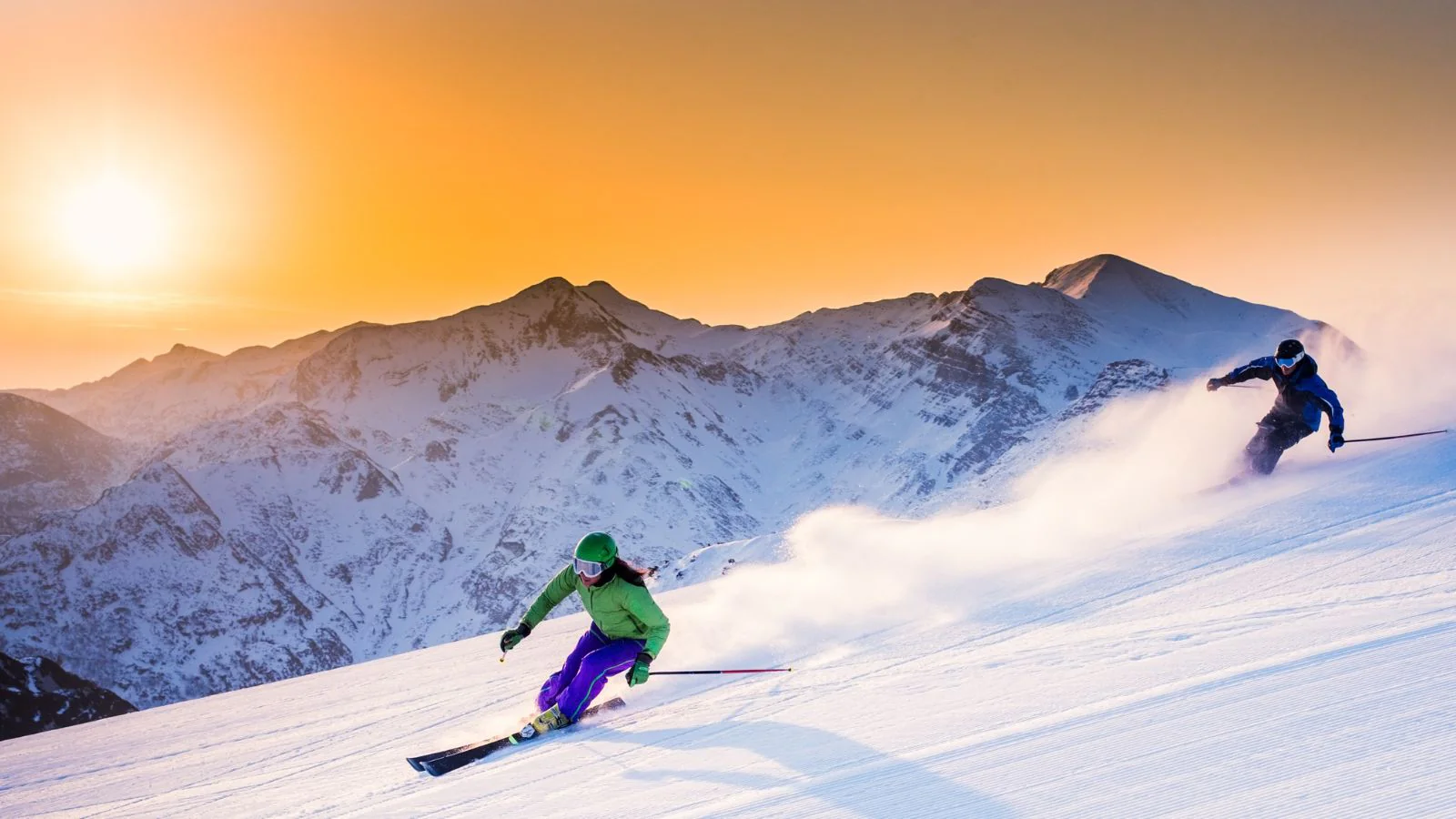
meatthesavages.com – Nestled in the heart of the Pyrenees, Andorra is a haven for winter sports enthusiasts, offering some of the most picturesque and well-equipped ski resorts in Europe. With its diverse terrain, reliable snowfall, and modern facilities, Andorra has become a top destination for skiers and snowboarders from around the globe.

The Top Ski Resorts in Andorra

Andorra boasts several world-class ski resorts, each with its unique charm and attractions. The most renowned among these are Grandvalira and Vallnord, which together form part of the Andorran ski circuit.

Grandvalira: The Largest Ski Resort in the Pyrenees

Grandvalira is the largest ski domain in the Pyrenees, offering an extensive network of 125 kilometers of slopes and 78 ski lifts. It is a conglomerate of six smaller resorts: Encamp, Canillo, El Tarter, Soldeu, Pas de la Casa, and Grau Roig. This vast ski area caters to all levels of skiers, from beginners to experts, with a variety of runs ranging from gentle slopes to challenging black diamonds.

The resort also features a snow park, making it a favorite among snowboarders and freestyle skiers. Additionally, Grandvalira’s après-ski scene is vibrant, with numerous bars and restaurants offering a lively atmosphere for visitors to relax and socialize after a day on the slopes.

Vallnord: A Family-Friendly Ski Paradise

Vallnord, the second-largest ski resort in Andorra, consists of two separate areas: Pal-Arinsal and Ordino-Arcalis. It offers a total of 68 kilometers of slopes and 28 lifts, providing a more intimate skiing experience compared to the sprawling Grandvalira.

Vallnord is particularly popular among families, with a range of activities designed to entertain children of all ages. The resort also has a dedicated snow park and a variety of off-piste opportunities for those seeking adventure.

Unique Features of Andorran Ski Resorts

Andorra’s ski resorts are not only renowned for their excellent skiing conditions but also for their state-of-the-art facilities and services. Here are some of the unique features that set Andorran ski resorts apart:

Advanced Snowmaking Technology

To ensure the best possible skiing conditions, Andorran resorts are equipped with advanced snowmaking technology. This allows for the production of high-quality artificial snow, guaranteeing that the slopes remain in top condition even during warmer spells.

Modern Lift Systems

The ski resorts in Andorra boast modern and efficient lift systems, reducing waiting times and allowing skiers to make the most of their time on the slopes. High-speed chairlifts and gondolas provide quick and comfortable access to the mountain tops.

Extensive Ski Schools

Both Grandvalira and Vallnord offer comprehensive ski schools with professional instructors who cater to all ages and skill levels. Whether you’re a beginner looking to learn the basics or an advanced skier seeking to improve your technique, the ski schools in Andorra can help you achieve your goals.

Why Choose Andorra for Your Winter Getaway?

Andorra’s ski resorts offer an unparalleled combination of natural beauty, modern amenities, and a welcoming atmosphere. Here are a few reasons why you should consider Andorra for your next winter vacation:

Affordable Prices

Compared to other European ski destinations, Andorra offers excellent value for money. Lift passes, equipment rentals, and accommodation are generally more affordable, making it an attractive option for budget-conscious travelers.

Tax-Free Shopping

Andorra is known for its tax-free status, which means that visitors can enjoy significant savings on a wide range of goods, from electronics to luxury items. The resorts are conveniently located near shopping centers, making it easy to indulge in some retail therapy after a day of skiing.

Cultural Experiences

Beyond the slopes, Andorra offers a rich cultural experience. Visitors can explore traditional villages, visit historic churches, and sample local cuisine. The country’s unique blend of Catalan and French influences adds to its charm and makes it a fascinating destination for cultural enthusiasts.

Conclusion

Andorra’s ski resorts are a true winter wonderland, offering something for everyone, from beginners to seasoned skiers. With their stunning landscapes, top-notch facilities, and welcoming atmosphere, these resorts are a must-visit for anyone looking to enjoy a memorable winter getaway. Whether you’re seeking thrilling ski runs, family-friendly activities, or après-ski entertainment, Andorra has it all. So why wait? Plan your trip to Andorra today and experience the magic of its ski resorts for yourself.

A Coastline of Unspoiled Beauty: The Albanian Riviera

meatthesavages.com – Nestled along the southern coast of Albania, the Albanian Riviera is a hidden gem that boasts a stunning coastline of unspoiled beauty. This region, stretching from the city of Vlorë to the Greek border, is a paradise for travelers seeking a tranquil escape from the hustle and bustle of everyday life. With its crystal-clear waters, secluded beaches, and dramatic cliffs, the Albanian Riviera offers a unique blend of natural splendor and cultural richness.

A Slice of Paradise on Earth

The Albanian Riviera is home to some of the most breathtaking beaches in the Mediterranean. Dhërmi and Himarë are two of the most popular destinations, known for their long stretches of golden sand and azure waters. These beaches are perfect for sunbathing, swimming, and snorkeling, offering a chance to explore the vibrant marine life. For those seeking a more secluded experience, hidden coves like Gjipe Beach and Jaliskari Beach provide a tranquil retreat, accessible only by boat or a short hike.

A Tapestry of History and Culture

Beyond its natural beauty, the Albanian Riviera is steeped in history and culture. The ancient city of Butrint, a UNESCO World Heritage Site, offers a glimpse into the lives of ancient Greeks and Romans. The ruins, which include a theater, a basilica, and a baptistery, are a testament to the region’s rich historical past. The nearby town of Sarandë, with its charming promenade and lively cafes, provides a modern contrast to the ancient ruins, making it a perfect place to relax and enjoy the local cuisine.

Adventure Awaits

The Albanian Riviera is not just about beaches and history; it’s also a playground for adventure seekers. The region’s rugged terrain offers excellent hiking opportunities, with trails leading to stunning viewpoints and secluded beaches. The Blue Eye Spring (Syri i Kaltër), a natural water spring with crystal-clear waters, is a must-visit for nature lovers. For those looking for a thrill, kayaking along the coast or diving into the underwater caves offers an exhilarating experience.

A Culinary Journey

Albanian cuisine, influenced by Italian, Turkish, and Greek flavors, is a delightful mix of fresh seafood, grilled meats, and vegetable dishes. The Albanian Riviera is the perfect place to indulge in traditional dishes like Tavë Kosi (lamb baked with yogurt) and Byrek (a savory pastry). The local wine, produced from indigenous grape varieties, pairs perfectly with the coastal cuisine, making every meal a memorable experience.

Preserving the Beauty

As the Albanian Riviera gains popularity, there is a growing emphasis on sustainable tourism to preserve its natural beauty. Local initiatives are encouraging eco-friendly practices, such as waste reduction and the protection of marine life. Travelers are encouraged to respect the environment and support local businesses to ensure that the Albanian Riviera remains a pristine paradise for generations to come.

In conclusion, the Albanian Riviera is a coastline of unspoiled beauty that offers something for every traveler. Whether you’re seeking relaxation on a secluded beach, a journey through history, or an adrenaline-pumping adventure, this hidden gem in the Mediterranean promises an unforgettable experience.

Lifeline of China: The Yangtze River

meatthesavages.com – The Yangtze River, known as the “Chang Jiang” in Chinese, is not just a river; it is the lifeline of China. Flowing for about 6,300 kilometers (3,917 miles) from the Tibetan Plateau in the west to the East China Sea, it is the longest river in Asia and the third longest in the world, after the Nile and the Amazon. The Yangtze River basin is home to one-third of China’s population and contributes significantly to the country’s economy, culture, and ecology.

Historical and Cultural Significance

The Yangtze River has played a crucial role in the development of Chinese civilization. It has been a vital transportation route for thousands of years, facilitating trade and communication between different regions. The river has inspired countless poets and artists, and its banks are dotted with historical cities and ancient towns that are rich in cultural heritage.

Economic Importance

The Yangtze River is the economic backbone of China. It is a major transportation artery, with one of the world’s busiest shipping routes. The river is also a hub for industry, with numerous factories and power plants located along its banks. The Yangtze River Delta, which includes Shanghai, Nanjing, and Hangzhou, is one of the most economically dynamic regions in the world.

Ecological Impact

The Yangtze River is a vital ecological resource, providing fresh water for drinking, irrigation, and industrial use. It is also a rich habitat for a diverse range of flora and fauna, including the endangered Chinese paddlefish and the Yangtze finless porpoise. However, the river faces significant environmental challenges, including pollution, habitat destruction, and overfishing.

The Three Gorges Dam

One of the most controversial and significant projects on the Yangtze River is the Three Gorges Dam, the world’s largest power station in terms of installed capacity. While it has provided China with a vast amount of hydroelectric power and has improved flood control, it has also led to the displacement of millions of people and has had a profound impact on the river’s ecosystem.

Conservation Efforts

In response to the environmental degradation of the Yangtze River, the Chinese government has implemented various conservation measures. These include reforestation projects, pollution control regulations, and efforts to protect endangered species. There is also a growing awareness among the Chinese public of the need to preserve the river’s natural beauty and ecological health.

Conclusion

The Yangtze River is more than just a waterway; it is a symbol of China’s past, present, and future. It has shaped the country’s history, culture, and economy, and continues to be a source of life and livelihood for millions. As China moves forward, the challenge will be to balance development with conservation, ensuring that the Yangtze River remains the lifeline of China for generations to come.

Maritime Marvels: Portugal’s Age of Discovery

meatthesavages.com – The Age of Discovery, a period marked by the exploration of the world by European navigators, was a transformative era in human history. Among the pioneering nations, Portugal stood out as a trailblazer, its mariners charting unknown waters and forging new paths across the globe. This article delves into the maritime marvels of Portugal’s Age of Discovery, highlighting the courage, innovation, and ambition that defined this remarkable epoch.

The Dawn of Exploration

The 15th century was a time of great curiosity and ambition in Europe. Portugal, under the visionary leadership of Prince Henry the Navigator, began to look beyond its borders. Henry established a school of navigation in Sagres, where sailors were trained in the latest techniques and technologies. This initiative laid the groundwork for Portugal’s maritime endeavors, fostering a culture of exploration that would soon change the world.

Navigating Uncharted Waters

Portuguese explorers were the first to venture into the Atlantic Ocean, navigating its treacherous waters with a combination of skill, courage, and determination. The Madeira Islands were discovered in 1419, followed by the Azores in 1427. These discoveries were not just feats of navigation but also strategic, as they provided Portugal with valuable outposts and resources.

The Quest for a Sea Route to India

One of the most ambitious goals of Portuguese exploration was to find a sea route to India, bypassing the land routes controlled by the Ottoman Empire. This quest was realized by Vasco da Gama, who, in 1498, became the first European to reach India by sea. Da Gama’s voyage was a monumental achievement, opening up a new era of trade and cultural exchange between Europe and Asia.

The Impact of Discovery

The Age of Discovery had profound implications for Portugal and the world. Economically, the new trade routes brought immense wealth to Portugal, making it one of the richest nations in Europe. Culturally, the exchange of goods, ideas, and people led to a global melting pot, enriching societies across the continents. However, it also brought conflict and exploitation, as European powers sought to dominate new territories.

Legacy of the Age of Discovery

Portugal’s Age of Discovery left a lasting legacy, not only in the lands it explored but also in the spirit of adventure and discovery it inspired. The navigational techniques, cartographic advances, and maritime innovations of this period laid the foundations for modern exploration and globalization. Today, we continue to be inspired by the daring voyages of Portuguese explorers, who, with their eyes set on the horizon, ventured into the unknown and changed the course of history.

In conclusion, Portugal’s Age of Discovery was a time of extraordinary maritime marvels, driven by the courage and ambition of its explorers. From the establishment of the school of navigation in Sagres to the groundbreaking voyages of Vasco da Gama, Portugal’s contributions to the Age of Discovery were monumental, shaping the world in which we live today.

The Lambada: Brazil’s Forbidden Dance

meatthesavages.com – The Lambada, a dance that originated in Brazil, has been shrouded in mystery and controversy since its inception. Known for its sensual movements and intimate partner connection, the Lambada quickly gained international fame in the late 1980s, sparking both fascination and condemnation around the world. This article delves into the history, cultural significance, and the reasons behind the dance’s “forbidden” status.

Origins of the Lambada

The Lambada’s roots can be traced back to the Amazon region of Brazil, where it was influenced by various cultural dances, including the Carimbó from Pará, the Forró from the Northeast, and the Zouk from the Caribbean. The dance was primarily performed in local bars and clubs, where it became a symbol of freedom and expression for the working class.

The Forbidden Aspect

The Lambada’s provocative nature, characterized by close body contact and suggestive movements, led to its classification as a “forbidden dance” in many conservative societies. In Brazil, it was initially met with resistance from religious and political groups who deemed it inappropriate and immoral. This backlash only fueled the dance’s popularity, as it became a symbol of rebellion against societal norms.

International Fame

The Lambada’s international breakthrough came in the late 1980s, thanks to a French song called “Lambada,” performed by Kaoma. The song’s accompanying dance moves were showcased in the music video, which quickly went viral, making the Lambada a global sensation. This led to the emergence of Lambada dance classes, competitions, and even a Hollywood movie titled “The Forbidden Dance,” further cementing its status as a cultural phenomenon.

Cultural Impact

Despite its controversial beginnings, the Lambada has had a lasting impact on dance culture worldwide. It has evolved over the years, blending with other dance styles such as Salsa and Zouk to create new forms of expression. The dance has also been embraced by the LGBTQ+ community, becoming a symbol of pride and liberation.

Conclusion

The Lambada, Brazil’s so-called “forbidden dance,” has transcended its origins to become a global symbol of freedom and self-expression. Its history is a testament to the power of dance to challenge societal norms and bring people together. While the Lambada may no longer be as popular as it was in its heyday, its legacy continues to influence dance and culture around the world.

Prospects and Challenges: The American Education System

meatthesavages.com – The American education system, with its diverse structure and multifaceted approach, stands as a beacon of opportunity and a platform for innovation. It is a system that has produced some of the world’s leading scientists, entrepreneurs, and thinkers. However, it also faces significant challenges that threaten to undermine its potential. This article explores the prospects and challenges of the American education system, highlighting the opportunities for reform and the obstacles that must be overcome.

Prospects:

Technological Integration

One of the most promising aspects of the American education system is its rapid integration of technology. From online learning platforms to advanced educational software, technology is transforming the way students learn and teachers teach. This integration not only enhances the learning experience but also prepares students for the digital demands of the 21st-century workforce.

Diversity and Inclusion

The United States is a melting pot of cultures, and its education system reflects this diversity. Schools are increasingly focused on creating inclusive environments that celebrate different backgrounds and perspectives. This diversity enriches the educational experience, fostering a global outlook among students and preparing them for a multicultural world.

Innovation and Creativity

American education encourages critical thinking, creativity, and innovation. The emphasis on project-based learning, entrepreneurship, and STEM (Science, Technology, Engineering, and Mathematics) education is cultivating a generation of problem-solvers and innovators. This focus on creativity and innovation is a significant strength, positioning the U.S. as a leader in various fields.

Challenges:

Achievement Gap

Despite the system’s strengths, there is a persistent achievement gap between students from different socio-economic backgrounds. Disparities in funding, resources, and teacher quality often result in lower educational outcomes for students from disadvantaged communities. This gap not only perpetuates social inequalities but also hinders the nation’s overall educational progress.

Standardized Testing

The reliance on standardized testing as a measure of student and school performance has been a contentious issue. Critics argue that it narrows the curriculum, promotes teaching to the test, and does not accurately reflect a student’s abilities or potential. The high-stakes nature of these tests also adds to student stress and anxiety.

Teacher Quality and Retention

The American education system faces challenges in recruiting and retaining high-quality teachers. Issues such as low salaries, high stress, and lack of support contribute to high teacher turnover rates. Without a stable and motivated teaching force, the quality of education suffers, particularly in underprivileged areas.

College Affordability

The cost of higher education in the United States is a significant barrier for many students and families. The burden of student loan debt can have long-lasting effects on graduates’ financial health and career choices. This affordability crisis limits access to higher education and contributes to economic inequality.

Conclusion

The American education system is a complex and dynamic entity with the potential to shape the future of the nation and the world. While it boasts numerous strengths, such as technological integration and a focus on innovation, it also grapples with challenges like the achievement gap, standardized testing, teacher quality, and college affordability. Addressing these challenges requires a multifaceted approach, including policy reforms, increased funding for education, and a commitment to equity and excellence. By leveraging its prospects and confronting its challenges, the American education system can continue to evolve and thrive, ensuring that all students have the opportunity to reach their full potential.

The Lucky Country: The Prosperity and Life in Australia

meatthesavages.com – Nestled in the vast expanse of the Southern Hemisphere, Australia, often dubbed “The Lucky Country,” is a land of diverse landscapes, vibrant cultures, and unparalleled prosperity. This article delves into the multifaceted aspects of life in Australia, exploring the reasons behind its moniker and the unique characteristics that make it a beacon of prosperity and quality of life.

Geographical Diversity and Natural Beauty: Australia’s geography is as diverse as it is expansive. From the sun-soaked beaches of the Gold Coast to the rugged outback of the Northern Territory, the country offers a plethora of natural wonders. The Great Barrier Reef, a kaleidoscope of marine life, attracts divers and snorkelers from around the globe, while the ancient rock formation of Uluru stands as a testament to the country’s rich Indigenous heritage. This geographical diversity not only fuels the tourism industry but also fosters a deep connection to the land among Australians.

Economic Prosperity and Stability: Australia’s economy is a powerhouse, characterized by its resilience and stability. The country has enjoyed a period of uninterrupted economic growth, thanks to its abundant natural resources, robust financial system, and strategic investments in education and innovation. The mining sector, in particular, has been a significant driver of growth, with Australia being one of the world’s largest exporters of coal, iron ore, and natural gas. Additionally, the government’s commitment to free trade agreements has opened up new markets and opportunities for Australian businesses.

Quality of Life and Social Harmony: The quality of life in Australia is among the highest in the world. The country boasts a high standard of living, excellent healthcare, and a world-class education system. Australians enjoy a laid-back lifestyle, with a strong emphasis on work-life balance. The nation’s social security system provides a safety net for its citizens, ensuring that no one is left behind. Australia’s multicultural society is another cornerstone of its success, with people from over 200 ethnic backgrounds living in harmony. This cultural diversity is celebrated through festivals, cuisine, and a shared commitment to inclusivity and respect.

Environmental Stewardship and Sustainability: Despite its economic reliance on natural resources, Australia is increasingly focusing on environmental stewardship and sustainability. The country is home to unique and fragile ecosystems, and there is a growing awareness of the need to protect these natural assets for future generations. Renewable energy initiatives, conservation efforts, and sustainable practices are becoming more prevalent, as Australia strives to balance economic prosperity with environmental responsibility.

Conclusion: Australia’s reputation as “The Lucky Country” is well-deserved, with its blend of natural beauty, economic prosperity, and high quality of life. The nation’s ability to harness its resources while maintaining a commitment to social harmony and environmental stewardship sets it apart on the global stage. As Australia continues to evolve, it remains a shining example of how a country can leverage its advantages to create a prosperous and inclusive society for all its inhabitants. Whether you’re drawn to its stunning landscapes, its dynamic cities, or its welcoming culture, Australia’s allure is undeniable, making it a truly lucky country to live in and visit.