Shoplifters (2018): A Exploration of Family, Poverty, & Morality

meatthesavages.com – Shoplifters (2018), directed by Hirokazu Kore-eda, is a poignant and thought-provoking film that delves deep into the complexities of family, morality, and survival. Set in contemporary Japan, the film follows an unconventional family living in poverty who, despite their struggles, share a deep bond of love and care for one another. The film won the prestigious Palme d’Or at the Cannes Film Festival and received widespread critical acclaim for its sensitive treatment of social issues, its nuanced portrayal of human relationships, and its exploration of what it means to be a family.

At the heart of Shoplifters is the story of Osamu Shibata (Lily Franky) and his wife Nobuyo (Sakura Ando), who live in a small, cramped house with their children. Their family is not defined by traditional legal or biological ties, but by their shared experiences, hardships, and love. When the family takes in a young girl, Yuri (Miyu Sasaki), after discovering her in a state of neglect, the lines between right and wrong become increasingly blurred, as they try to provide for one another while engaging in petty theft to survive.

Kore-eda’s delicate direction and the emotionally resonant performances from the cast bring Shoplifters to life, creating a film that is both heart-wrenching and hopeful, a meditation on the nature of family and the lengths people will go to for those they love.

Plot Overview: An Unconventional Family’s Struggle to Survive

The film begins with Osamu, a middle-aged man, and his son Shota (Jyo Kairi), returning home after a day of shoplifting. Their small family survives by stealing food and household items, their criminal activity a desperate attempt to make ends meet in a society that offers them little. Osamu’s wife Nobuyo, who works in a factory, is also involved in the family’s survival schemes, and together, they manage to scrape by.

One evening, Osamu and Shota come across Yuri, a young girl who has been locked out of her house by her abusive parents. After taking her in and learning of her neglectful situation, the family decides to keep her with them. They treat her like one of their own, providing her with food, clothing, and affection. Yuri’s addition to the family seems to bring a new sense of warmth and purpose, even though they are already living on the edge of poverty.

As the family navigates the challenges of their existence, their relationships begin to unravel in unexpected ways. The deeper bonds that tie them together are tested when their illegal activities and secrets are discovered, and they are forced to confront the moral implications of their actions.

The film’s pacing is slow and contemplative, focusing on the everyday lives of the characters. Through these seemingly mundane moments, Shoplifters reveals the complexities of the family’s situation and the moral dilemmas they face. The children’s quiet acceptance of their circumstances, the parents’ deep care for their “children,” and the secrets that bind them all together unfold gradually, leading to a poignant and emotionally charged climax.

Themes: Family, Morality, and Survival

The Nature of Family

At its core, Shoplifters is a reflection on the nature of family. The film challenges traditional notions of family by showing that family is not solely defined by legal or biological ties, but by love, care, and mutual support. Despite the family’s illegal activities and unconventional structure, they share a profound sense of kinship that transcends societal expectations.

The film depicts a family that functions not through wealth or material success but through emotional connection and shared experience. Osamu and Nobuyo’s devotion to the children in their care, and the children’s loyalty to each other, form the emotional heart of the film. They come together to survive, showing that love and care are often more essential than the traditional markers of family, such as blood ties or legal status.

The arrival of Yuri in the family highlights the capacity of love to extend beyond traditional boundaries. Her inclusion into the family, despite the ethical and legal implications, underscores the idea that family is defined by those who care for and protect one another, rather than by conventional norms.

Poverty and Survival

Another key theme of Shoplifters is poverty and the lengths people will go to survive. The film paints a stark portrait of life in Japan’s lower economic strata, where the struggle to make ends meet forces people to take desperate measures. Osamu, Nobuyo, and their children live on the margins of society, relying on petty theft and other illegal activities to survive.

However, Kore-eda’s approach is nuanced; he does not demonize the characters for their actions. Instead, he shows the complex moral landscape they inhabit, where survival often requires difficult, sometimes morally questionable decisions. The film challenges the viewer to reconsider ideas of right and wrong, asking whether the love and care shown by the family can be considered more valuable than their transgressions.

Through the lens of poverty, Shoplifters also touches on broader social issues, such as the gap between the rich and the poor and the difficulties faced by marginalized people in society. The family’s struggle to survive is a reflection of a larger societal issue, where the economic system leaves many people with few options but to resort to criminal behavior.

Morality and the Ethics of Care

The film also explores the complex moral questions surrounding the family’s actions. As the children and adults steal to survive, the line between right and wrong becomes increasingly blurry. The characters’ actions are driven by a deep sense of care for one another, but they are also forced to confront the moral costs of their behavior.

Osamu and Nobuyo’s decisions are motivated by love for the children, but their actions also raise ethical questions about the boundaries of care and protection. While their actions are undeniably illegal, Shoplifters encourages viewers to reflect on the moral nuances of their choices. The film suggests that in a society where the poor are often left behind, survival sometimes demands actions that challenge conventional morality.

Kore-eda subtly critiques the societal structures that force individuals into such dire situations. By presenting the characters’ actions with empathy and understanding, Shoplifters asks the audience to question the justice of a system that punishes survival tactics instead of addressing the root causes of poverty and inequality.

Cinematic Style: A Quiet, Reflective Approach

Hirokazu Kore-eda’s direction in Shoplifters is marked by its quiet, understated style. The film’s pacing is slow and deliberate, focusing on the intimate moments between the characters as they navigate their daily lives. This approach allows the emotional depth of the story to unfold naturally, without relying on melodrama or overt sentimentality.

Kore-eda’s use of close-ups and natural lighting creates a sense of intimacy with the characters, allowing the audience to connect with them on a deep, personal level. The film’s cinematography, by Ryûzô Kikuchi, is often soft and muted, reflecting the characters’ struggle and their fragile existence. The use of space is also important in Shoplifters—the cramped apartment where the family lives becomes both a symbol of their poverty and a space filled with warmth and love.

The performances in the film are exceptional, with the cast delivering nuanced, emotionally complex portrayals of their characters. Lily Franky’s portrayal of Osamu is a standout, capturing the character’s quiet, loving nature while also revealing the internal conflict he feels as he grapples with his actions. The children, particularly Jyo Kairi and Miyu Sasaki, bring a raw, natural energy to their roles, portraying their characters with innocence and depth.

Legacy and Impact: A Universal Reflection on Family and Society

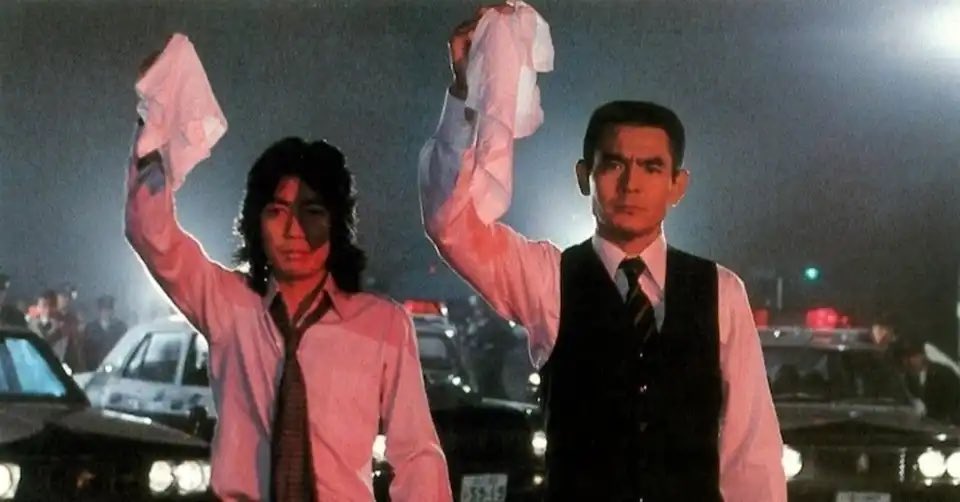
Shoplifters received widespread acclaim for its sensitive portrayal of family dynamics and social issues, and its success at Cannes, where it won the Palme d’Or, brought it to international attention. The film continues to resonate with audiences around the world, praised for its universal themes and the emotional depth of its storytelling.

By focusing on a family that does not conform to societal norms but is bound together by love, Kore-eda offers a powerful commentary on the true meaning of family and the lengths people will go to in order to protect those they care about. Shoplifters also serves as a critique of social inequality and the consequences of a system that leaves people struggling to survive.

The film’s impact extends beyond Japan, as it prompts viewers to reflect on their own definitions of family, morality, and survival. It encourages a more compassionate and nuanced understanding of human behavior, particularly in the context of poverty and social marginalization.

Conclusion: A Tender, Thought-Provoking Meditation on Family and Morality

Shoplifters (2018) is a beautifully crafted film that explores the complexity of family, the ethics of survival, and the emotional depth of human relationships. Through its sensitive direction, powerful performances, and subtle social commentary, the film offers a compelling meditation on what it means to care for one another and how society defines right and wrong. Hirokazu Kore-eda’s tender, humanistic approach makes Shoplifters a timeless and universally resonant story, one that challenges audiences to reconsider their ideas of family, morality, and the human condition.
When the Last Sword is Drawn (2002): A Tale of Loyalty, & Honor

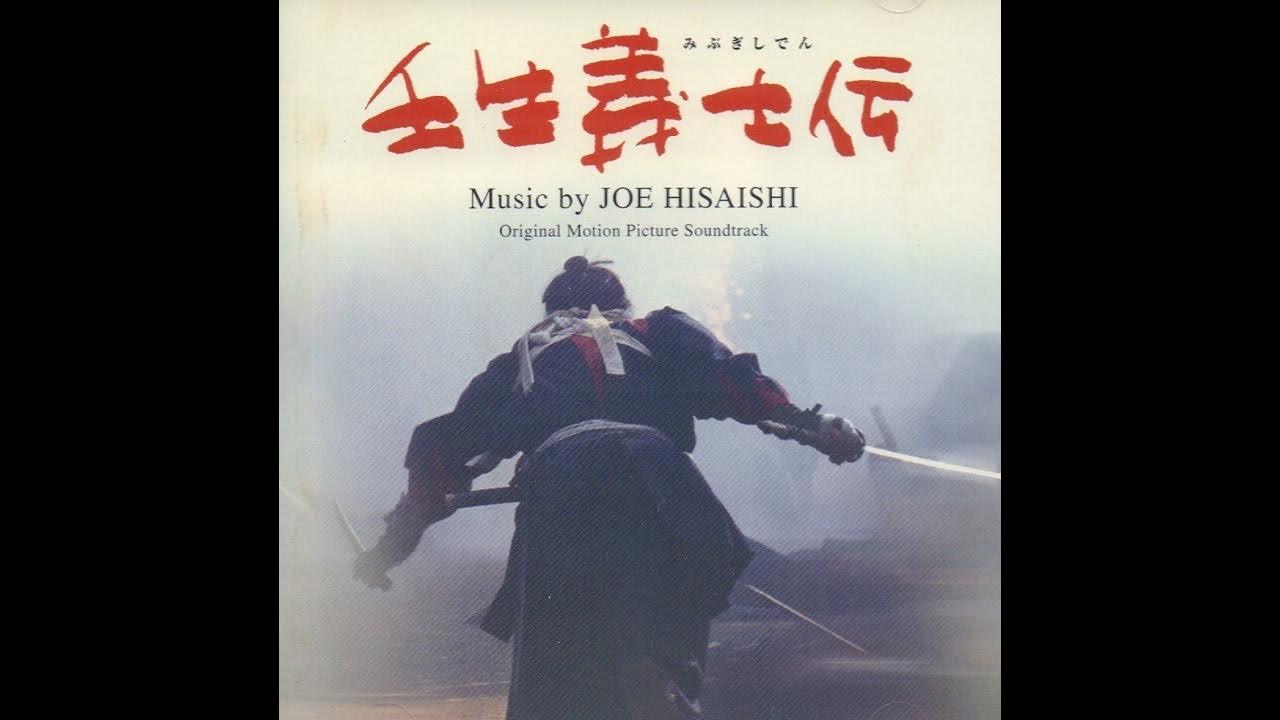
meatthesavages.com – When the Last Sword is Drawn (Mibu Gishiden, 2002), directed by Yoji Yamada, is a powerful historical drama set against the backdrop of the tumultuous final years of the Tokugawa Shogunate in Japan. The film is a deeply emotional portrayal of the end of the samurai era and the personal struggles of a samurai caught between his duty, his personal morals, and the changing world around him. The film is widely regarded as a nuanced reflection on loyalty, sacrifice, and the inevitable march of progress, offering a heartfelt examination of the human cost of societal and political upheaval.

With a stellar cast led by Hiroyuki Sanada, who portrays the film’s central character, and a screenplay based on the novel by Sōji Shimada, When the Last Sword is Drawn has garnered praise for its complex characters, breathtaking visuals, and its respectful, introspective treatment of Japanese history and the samurai code.

Plot Overview

The story takes place during the final days of the Tokugawa Shogunate, just before the Meiji Restoration, a period when Japan was undergoing rapid modernization and the once powerful samurai class was on the brink of extinction. The protagonist, Kanichiro Yoshimura (played by Hiroyuki Sanada), is a skilled and honorable samurai who serves under the Tokugawa Shogunate. However, he finds himself facing a deep internal conflict as the political landscape shifts around him.

Yoshimura is a member of the Shinsengumi, a group of samurai devoted to protecting the Shogunate and maintaining the old order. As the country is plunged into chaos due to the rise of the Meiji government and the samurai’s weakening status, Yoshimura must navigate the personal and professional challenges that come with being part of a once-powerful institution now in decline.

The central conflict in the film revolves around Yoshimura’s struggle to reconcile his fierce loyalty to the Shogunate with his personal sense of honor and his devotion to his family. While he is dedicated to his duty as a samurai, he also wrestles with the ethical dilemmas posed by the changing world and the increasingly futile nature of his actions. His loyalty to his comrades and his love for his family create a tense duality that drives the narrative.

Yoshimura’s journey reflects the broader struggles faced by the samurai during this period, as they were forced to navigate the tensions between the traditions they were sworn to uphold and the modernizing forces that threatened to render their way of life obsolete. His internal battle highlights the deep emotional and moral consequences of living in a society in transition, where honor, duty, and loyalty can sometimes come into direct conflict with personal survival and family well-being.

Themes: Loyalty, Honor, and the Changing World

Loyalty and Duty

A central theme in When the Last Sword is Drawn is the samurai’s deep sense of loyalty, not only to their lords but also to their comrades and their country. Yoshimura’s dedication to the Shogunate represents the traditional values of the samurai class, where loyalty is considered paramount, and personal desires are often subordinated to the greater good.

However, the changing political climate forces Yoshimura to question the meaning of this loyalty. As the Shogunate weakens and the forces of modernization grow stronger, he must confront the question of whether his unwavering loyalty is worth the personal and familial sacrifices it demands. The tension between duty to the Shogunate and loyalty to his family becomes a driving force in the film, as Yoshimura seeks to reconcile his responsibilities with his desire for a peaceful life.

The film also explores the concept of loyalty in the face of a larger, unstoppable change. The loyalty of the samurai is not just to their lord or their fellow warriors but also to the ideals of honor, which define their entire way of life. As the samurai era draws to a close, the film poignantly asks whether this kind of loyalty has any place in the modern world or whether it will become a relic of the past.

Honor and Sacrifice

Honor is another key theme in When the Last Sword is Drawn. The samurai code of bushido, which emphasizes honor, discipline, and selflessness, is at the heart of the film’s exploration of Yoshimura’s character. Throughout the narrative, Yoshimura is confronted with situations where his sense of honor is tested, and he is forced to make difficult decisions that weigh heavily on his conscience.

The film presents honor not as an abstract ideal but as something that carries real consequences for the individual and those around him. Yoshimura’s dedication to his honor leads him to make personal sacrifices, even when it means the destruction of his own happiness and the suffering of his loved ones. The emotional depth of these sacrifices is portrayed in a way that makes the audience reflect on the true cost of living by a code of honor in a changing world.

The theme of sacrifice is explored not only in Yoshimura’s actions but also in the lives of the other characters around him. As the samurai way of life crumbles, many of the characters are forced to choose between their personal desires and the demands of the dying tradition. The sacrifices made by these characters emphasize the emotional and moral weight of the choices that define their lives, especially in times of political and social upheaval.

The End of an Era

The film’s setting during the transition from the Edo period to the Meiji Restoration provides an overarching theme about the end of an era. The samurai are depicted as warriors caught between the old world and the new, struggling to adapt to a rapidly changing society that no longer has a place for them.

When the Last Sword is Drawn is deeply concerned with the passing of the samurai age and the disappearance of the values that defined it. The decline of the samurai class is not just a political or social event but a personal tragedy for those who have devoted their lives to the ideals of bushido. The film emphasizes the emotional toll of living through such a dramatic transition, where the old world is dying, and the new world, with its new values and ways of life, is being born.

This theme is encapsulated in Yoshimura’s journey, as he grapples with the impending loss of the samurai’s status and the existential question of what happens to honor when it is no longer valued by society. The film suggests that the values of the samurai may be out of place in the modern world, but it also mourns the passing of a way of life that, for all its flaws, represented a sense of purpose and dignity.

Cinematic Style and Visuals

Yoji Yamada’s direction in When the Last Sword is Drawn is characterized by its restrained, contemplative pacing and its focus on character development. The film avoids the large-scale battle scenes often associated with samurai films, instead opting for quieter, more intimate moments that allow the emotional weight of the characters’ dilemmas to come to the forefront.

The cinematography by Hideo Yamamoto captures the beauty of the landscapes and the costumes, emphasizing the elegiac mood of the film. The visual composition reflects the passing of an era, with scenes often framed in a way that evokes both the beauty and the melancholy of a time that is slipping away. The film’s use of light and shadow also reinforces the themes of honor and sacrifice, highlighting the internal struggles of the characters.

The performances in the film are exceptional, particularly Hiroyuki Sanada’s portrayal of Yoshimura. Sanada captures the quiet dignity and internal conflict of his character, bringing a deep emotional resonance to the film. His nuanced performance anchors the film, making Yoshimura’s personal journey all the more impactful.

Reception and Legacy

When the Last Sword is Drawn was well-received by both critics and audiences for its emotionally rich portrayal of the samurai era’s end. The film’s exploration of the samurai code, its meditation on honor and sacrifice, and its intimate, character-driven storytelling set it apart from many other films in the samurai genre. It was praised for its authenticity and emotional depth, with particular recognition for Sanada’s performance.

The film has continued to resonate with audiences as a poignant reminder of the human cost of historical transitions and the complexities of loyalty and duty. It remains a powerful example of how samurai films can be used to reflect on broader societal issues, especially the conflict between tradition and modernity.

Conclusion

When the Last Sword is Drawn (2002) is a deeply moving and thought-provoking film that explores themes of loyalty, honor, and sacrifice in the face of a rapidly changing world. Through the character of Yoshimura, the film offers a poignant reflection on the end of the samurai era and the personal cost of living according to a code of honor in a society on the brink of transformation. With its beautiful cinematography, emotionally charged performances, and insightful exploration of historical change, When the Last Sword is Drawn is a powerful tribute to the samurai spirit and the enduring value of personal integrity in times of crisis.

77 Sunset Strip (1963): A Classic TV Detective Series

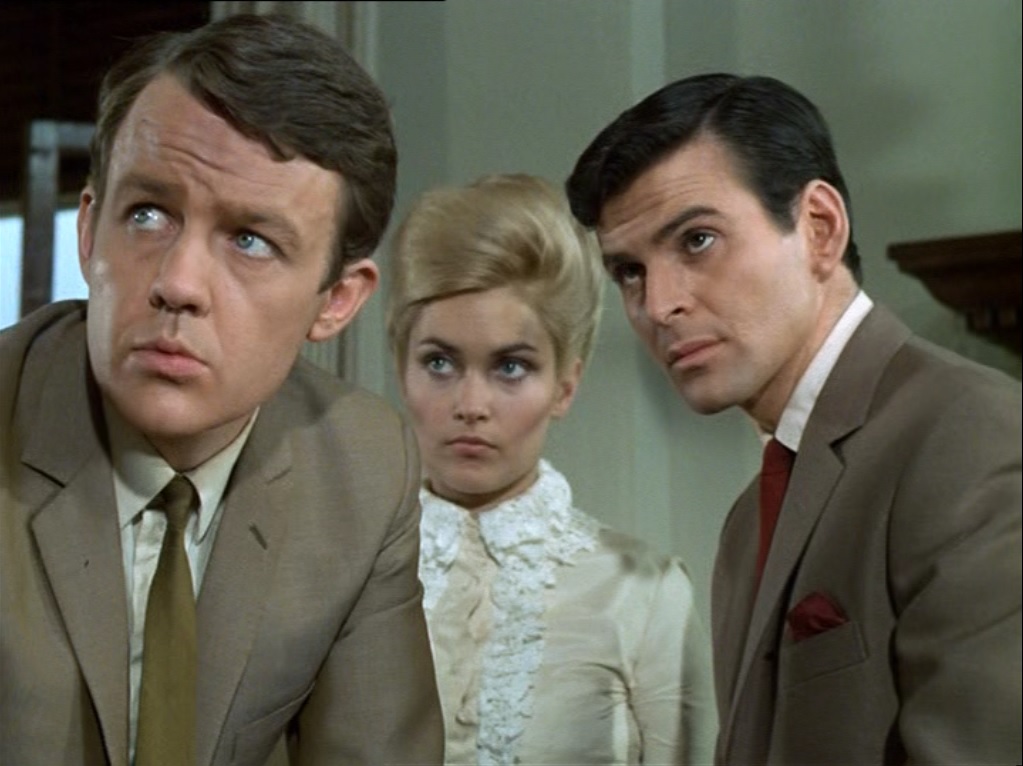
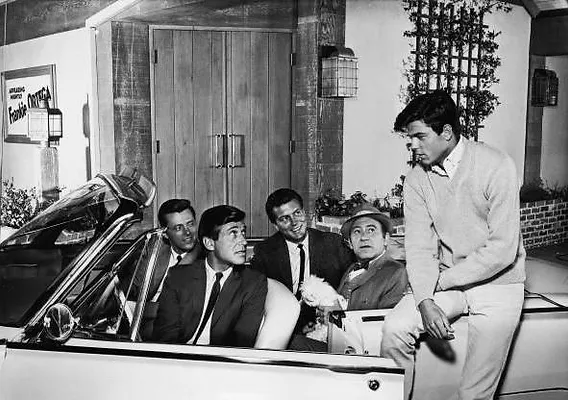
meatthesavages.com – 77 Sunset Strip was a highly popular American television series that ran from 1958 to 1964, known for its suave private detectives, glamorous Hollywood setting, and stylish storytelling. The show followed the adventures of two private eyes, Stuart Bailey (Efrem Zimbalist Jr.) and Jeff Spencer (Roger Smith), as they solved cases while based in their office on the iconic Sunset Strip in Los Angeles. In 1963, a brief yet notable uncredited appearance was made by a model, contributing to the series’ signature sense of glamour and allure.

Plot Overview: Sleek Cases and Hollywood Glitz

77 Sunset Strip was set in the heart of Los Angeles, capturing the intrigue and excitement of detective work while incorporating the glitzy backdrop of 1960s Hollywood. The cases often involved a mix of murder, espionage, and deception, drawing in an audience that appreciated the combination of crime-solving drama with the fashionable and fast-paced world of show business.

Throughout the series, there were various characters and cameo roles that heightened the show’s stylish appeal, including appearances by models, actors, and public figures who fit seamlessly into the glamorous settings that the show frequented. In 1963, a model, though uncredited, appeared in one of these roles, helping to enhance the episode’s visual appeal and reinforcing the show’s connection to the glamorous Los Angeles lifestyle.

The Uncredited Model: Glamour in a Supporting Role

Though uncredited, the appearance of the model in the 1963 episode of 77 Sunset Strip added to the atmosphere of sophistication and beauty that was often a key part of the show’s identity. As the private eyes investigated their cases, scenes involving high-profile parties, fashion shows, and glamorous Hollywood events were common, and models often played a supporting role in these settings.

The uncredited model’s appearance in the series showcased the fashion and style of the time, helping to immerse viewers in the glitzy world that 77 Sunset Strip portrayed. Though her role was not central to the plot, the presence of a model in the episode was in line with the show’s recurring theme of blending Hollywood glamour with gritty detective work.

Hollywood Cameos and Glamorous Appearances

Cameos by models, actors, and other notable figures were a frequent feature of 77 Sunset Strip, and they helped to establish the show’s image as a window into the high-life of Los Angeles. The series often depicted scenes that involved celebrities, high-society events, and fashion, making it a natural fit for uncredited appearances by models and other glamorous figures.

While the 1963 model’s role was brief, it contributed to the overall aesthetic of the show, highlighting the allure of the characters’ world. The detectives’ frequent interactions with models, actors, and public figures gave the show an added layer of excitement, making it a perfect example of how television dramas of the time sought to mirror the star-studded reality of Hollywood life.

Conclusion

77 Sunset Strip was a groundbreaking television series that blended the thrill of detective work with the glamour of 1960s Hollywood. The uncredited appearance of a model in the 1963 episode exemplifies the show’s commitment to maintaining a fashionable and visually appealing atmosphere. Even though the model’s role was not a major part of the storyline, her presence contributed to the overall aesthetic that made the series so popular.

By incorporating glamorous settings, stylish characters, and appearances by models and celebrities, 77 Sunset Strip solidified itself as a quintessential example of Hollywood-themed television. The brief but notable appearance of the uncredited model in 1963 is a testament to how even small roles played an important part in creating the stylish and iconic look of the series.

L’Eclisse: A Study in Modern Alienation – A World of Disillusionment

meatthesavages.com – Michelangelo Antonioni’s L’Eclisse (1962) is a cinematic masterpiece that delves into the depths of human connection and disconnection in the modern world. This Italian film, part of Antonioni’s celebrated trilogy that includes L’Avventura (1960) and La Notte (1961), is a poignant exploration of love, loss, and the pervasive sense of alienation that characterizes the mid-20th century.   

A World of Disillusionment

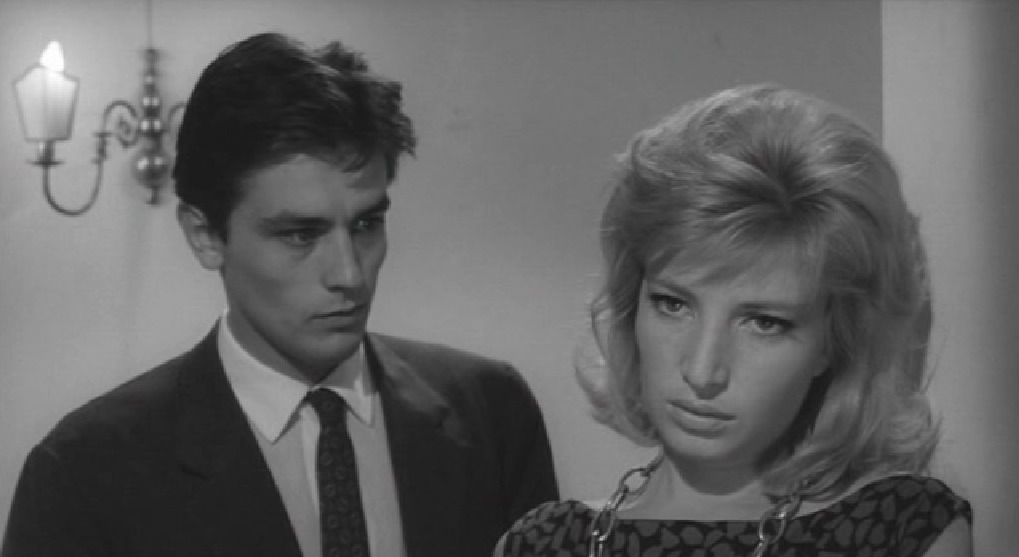
Set in Rome during the early 1960s, L’Eclisse follows Vittoria (Monica Vitti), a young woman who has recently ended a relationship with a writer, Riccardo (Francisco Rabal). As she navigates the complexities of her emotions, she becomes involved with Piero (Alain Delon), a stockbroker who embodies the materialism and superficiality of the era.   

The film’s narrative unfolds slowly, with long, contemplative scenes that focus on the characters’ interior lives rather than external action. Antonioni’s signature style, characterized by long takes, precise camera movements, and sparse dialogue, creates a sense of detachment and emotional distance. The characters often seem lost in their own thoughts, unable to connect meaningfully with each other or the world around them.   

The Urban Landscape as a Metaphor

The urban landscape of Rome serves as a powerful metaphor for the characters’ psychological states. The city’s modern architecture, with its clean lines and impersonal spaces, reflects the alienation and fragmentation of human relationships. The film’s iconic opening sequence, set in a stark, minimalist apartment, establishes the tone of emotional detachment that pervades the entire narrative.   

The stock exchange, where Piero works, is another significant setting that underscores the film’s themes. The frenzied activity and impersonal nature of the trading floor mirror the characters’ own restless pursuit of meaning and connection. The constant fluctuations of the market symbolize the uncertainty and instability of human relationships.   

The Eclipse of Love

The title of the film, L’Eclisse (The Eclipse), refers to the gradual fading of love and intimacy between the characters. As Vittoria and Piero spend more time together, they become increasingly distant and disconnected. Their conversations are often stilted and superficial, and their physical encounters lack passion and depth.

The film’s climax, a long, wordless scene set in a dimly lit cafe, is a powerful depiction of the impossibility of true connection. Vittoria and Piero sit across from each other, their faces illuminated by the flickering light of a cigarette. Despite their proximity, they remain worlds apart, unable to bridge the chasm between them.

A Timeless Exploration of Human Loneliness

L’Eclisse is a timeless exploration of the human condition, a meditation on the fragility of love and the enduring nature of loneliness. Antonioni’s masterful direction, combined with the stunning cinematography of Carlo Di Palma, creates a visually striking and emotionally resonant film. The film’s impact lies not in its plot or character development, but in its ability to evoke a profound sense of melancholy and existential dread.   

L’Eclisse continues to resonate with audiences today, as its themes of alienation, disconnection, and the search for meaning remain relevant in our increasingly fragmented world. It is a testament to Antonioni’s enduring legacy as one of the greatest filmmakers of the 20th century.

Christmas in August: A Gentle Farewell to Summer & Life

meatthesavages.com – “Christmas in August” (8월의 크리스마스, Palwolui Keuriseumaseu), a 1998 South Korean romantic drama film directed by Hur Jin-ho, is a poignant and understated exploration of life, love, and acceptance in the face of mortality. Set against the backdrop of a sweltering summer in a small town, the film tells a quiet yet deeply moving story about a man facing his own mortality and the blossoming of a gentle connection with a young woman.

A Portrait of Everyday Life and Quiet Acceptance

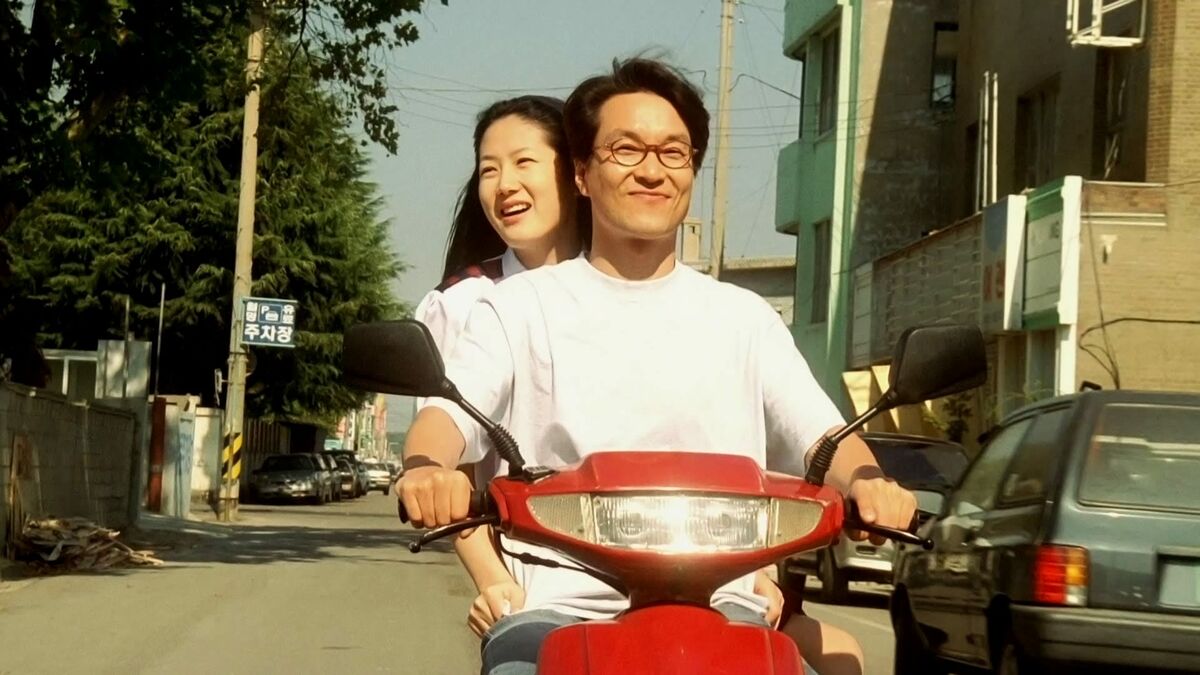
The film centers around Jung-won (Han Suk-kyu), a man in his late thirties who runs a small photography studio. He lives a simple and routine life, caring for his aging father and interacting with the local community. However, Jung-won is also facing a terminal illness, a fact he accepts with quiet dignity and a sense of calm resignation.

Into his life comes Da-rim (Shim Eun-ha), a young traffic controller who frequently visits his studio to develop photos. Their interactions are initially casual, but a gentle connection gradually develops between them.

A Budding Connection Amidst Impermanence

The relationship between Jung-won and Da-rim is portrayed with a delicate touch. Their interactions are characterized by small gestures, quiet conversations, and unspoken feelings. Da-rim’s youthful energy and optimism bring a sense of vibrancy to Jung-won’s life, while he offers her a sense of stability and understanding.

Their connection blossoms amidst the backdrop of the sweltering summer heat, creating a sense of fleeting beauty and impermanence. The film subtly suggests that their connection is a brief but meaningful respite in the face of life’s inevitable changes.

A Farewell to Summer and Life

The film’s title, “Christmas in August,” is a poignant paradox, symbolizing the unexpected and premature arrival of winter, or death, in the midst of summer. Jung-won’s impending death casts a shadow over the narrative, but the film avoids melodrama, focusing instead on the quiet acceptance of his fate.

Jung-won spends his remaining time preparing for his departure, ensuring that his affairs are in order and that his loved ones will be cared for. He approaches his mortality with a sense of calm and grace, finding solace in the simple moments of everyday life.

Themes of Mortality, Acceptance, and the Beauty of the Ordinary

“Christmas in August” explores several profound themes:

  • Mortality and Acceptance: The film deals with the theme of mortality in a sensitive and understated manner. Jung-won’s acceptance of his fate is a central theme, emphasizing the importance of living each day to the fullest.
  • The Beauty of the Ordinary: The film celebrates the beauty of everyday life and the importance of appreciating the small moments that make up our existence. Jung-won finds joy in simple things like taking photographs, spending time with his family, and interacting with his community.
  • Human Connection and Compassion: The film highlights the importance of human connection and the comfort that can be found in shared experiences. The gentle connection between Jung-won and Da-rim offers a sense of solace and understanding in the face of loss.
  • The Passage of Time: The film reflects on the passage of time and the inevitability of change. The changing seasons and the flow of everyday life serve as a reminder of the impermanence of all things.

A Quietly Powerful and Moving Film

“Christmas in August” is a quietly powerful and deeply moving film that has resonated with audiences for its sensitive portrayal of life, love, and loss. The performances of Han Suk-kyu and Shim Eun-ha are subtle and nuanced, bringing depth and sincerity to their characters. The film’s gentle pace, beautiful cinematography, and evocative atmosphere create a truly memorable cinematic experience. It remains a beloved Korean classic, appreciated for its timeless exploration of the human condition.

Hide and Seek: A Exploration of Social Anxiety & Urban Fears

meatthesavages.com – Hide and Seek (숨바꼭질; Sumbakkokjil) is a 2013 South Korean mystery thriller film written and directed by Huh Jung. This chilling film taps into deep-seated anxieties about social inequality, urban living, and the fear of the unknown lurking just beneath the surface of seemingly normal lives. It’s a suspenseful and disturbing exploration of how fear and paranoia can consume individuals and communities.

A Comfortable Life Disrupted by Strange Discoveries

The story revolves around Sung-soo (Son Hyun-joo), a wealthy businessman living a comfortable life with his wife, Min-ji (Moon Jung-hee), and their two children in a luxurious apartment. Their seemingly perfect life is disrupted when Sung-soo receives news of his estranged older brother, Sung-chul, whom he hasn’t seen in years. While searching for his brother, Sung-soo discovers strange symbols marked outside the doors of apartments in his brother’s building, as well as in his own.

Decoding the Symbols: A Growing Sense of Dread

These symbols, resembling tic-tac-toe grids, turn out to be a coded system used by squatters to mark the number of occupants in each apartment and their gender. This discovery ignites a growing sense of dread and paranoia in Sung-soo, who begins to fear that his family is being targeted. The film effectively uses these simple symbols to create a pervasive atmosphere of unease and vulnerability.   

A Descent into Paranoia and Fear

As Sung-soo delves deeper into the mystery, he becomes increasingly obsessed with the safety of his family. He starts seeing signs of intrusion in his own home and becomes convinced that someone is watching them. The film masterfully portrays Sung-soo’s descent into paranoia, blurring the lines between his fears and reality. The suspense builds as the audience is left wondering whether his fears are justified or if he is simply imagining things.

Exploring Themes of Social Inequality and Urban Isolation

Hide and Seek goes beyond being a simple thriller by exploring relevant social themes. The film touches upon the growing gap between the rich and the poor in Korean society and the anxieties associated with urban living. It depicts the isolation and vulnerability of individuals living in densely populated cities, where anonymity can be both a blessing and a curse.

Strong Performances That Enhance the Tension

The performances in Hide and Seek are crucial to its effectiveness. Son Hyun-joo delivers a compelling performance as Sung-soo, effectively portraying his transformation from a confident businessman to a man consumed by fear. Moon Jung-hee also delivers a strong performance as his increasingly worried wife.

A Tense and Disturbing Thriller That Resonates

Hide and Seek is a tense and disturbing thriller that effectively taps into contemporary anxieties about social inequality and urban life. Its suspenseful narrative, strong performances, and exploration of relevant themes make it a memorable and thought-provoking film. The film’s unsettling atmosphere and exploration of hidden dangers in everyday life make it a truly chilling experience.

The Girl Hunters: A Gritty Noir Thriller – A Hero’s Return

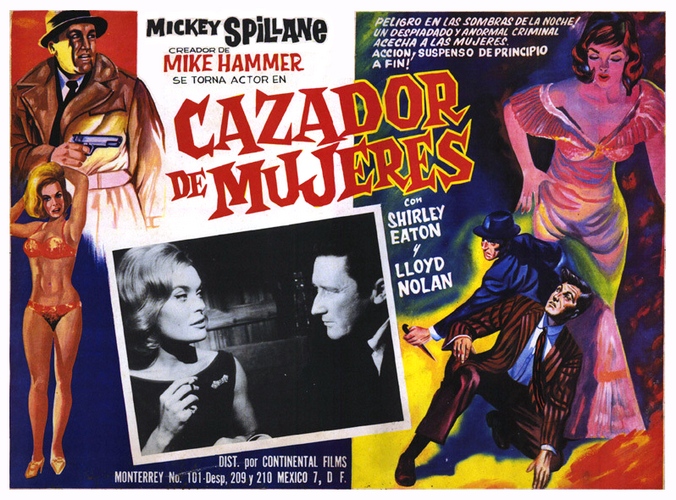
meatthesavages.com – Mickey Spillane’s The Girl Hunters (1963) is a gritty and stylish film noir that brings the iconic private detective Mike Hammer to the silver screen. The film, directed by Roy Rowland, is an adaptation of Spillane’s 1962 novel of the same name.   

A Detective’s Dark Past

The film opens with Mike Hammer, played by Spillane himself, emerging from a self-imposed exile. After years of drinking and despair following the disappearance of his beloved secretary, Velda, Hammer is dragged back into the dangerous world of crime. A new case, involving a string of murders connected to a mysterious woman named Laura Knapp (Shirley Eaton), reignites his thirst for justice.   

A World of Sin and Corruption

The Girl Hunters is a classic film noir, filled with shadowy figures, double-crosses, and moral ambiguity. The film’s gritty atmosphere is enhanced by its stark black-and-white cinematography and its depiction of a corrupt and cynical world. Hammer navigates a web of deceit and danger, encountering a cast of colorful characters, including the alluring Laura Knapp and the formidable police lieutenant Pat Chambers (Lloyd Nolan).   

Spillane’s Signature Style

Spillane’s distinctive style, characterized by its hard-boiled dialogue, graphic violence, and morally ambiguous characters, is fully on display in The Girl Hunters. The film’s screenplay, adapted by Spillane himself, is filled with memorable lines and shocking twists. Spillane’s portrayal of Mike Hammer is both charismatic and brutal, making him one of the most iconic figures in detective fiction.   

A Cult Classic

Although The Girl Hunters may not be as well-known as some of the classic film noirs of the 1940s and 1950s, it has developed a cult following over the years. The film’s unique blend of style, violence, and sexuality has made it a favorite among fans of the genre. It remains a must-watch for anyone interested in the history of film noir and the work of Mickey Spillane.

Conclusion

The Girl Hunters is a thrilling and stylish film noir that captures the essence of Mickey Spillane’s iconic detective. Its dark and gritty atmosphere, memorable characters, and hard-boiled dialogue make it a classic of the genre. Whether you’re a fan of film noir or simply looking for a thrilling and entertaining movie, The Girl Hunters is definitely worth checking out.

Queen of the Tabarin Club: Franco’s Cinema – 1910s Spain

meatthesavages.com – Queen of the Tabarin Club (1960), a Franco-Spanish film directed by Jesús Franco, is a captivating period piece that transports viewers back to the vibrant and tumultuous era of 1910s Spain. This melodramatic tale, filled with love, betrayal, and social class conflict, offers a glimpse into the burgeoning Spanish film industry of the time.

A Tale of Love and Ambition

The film follows the story of Lolita, a beautiful and talented young woman from a family of traveling musicians. When their troupe performs at the opulent mansion of a wealthy marquise, Lolita catches the eye of the marquise’s son, Fernando. A passionate romance blossoms between the two, despite their vastly different social backgrounds.   

However, their love story is threatened by a series of obstacles. Fernando’s family disapproves of their relationship, and Lolita’s own ambitions as a singer begin to overshadow her feelings for him. As the plot unfolds, the characters are forced to confront the harsh realities of their time, including social prejudice, financial hardship, and the fickle nature of fame.

Franco’s Early Cinematic Endeavors

Queen of the Tabarin Club represents one of Jesús Franco’s early directorial efforts. While it may not be as well-known as his later, more experimental works, the film showcases his talent for crafting visually striking and emotionally charged narratives. Franco’s signature style, characterized by its dark and atmospheric tone, is evident even in this early work.   

The film’s production design and costumes evoke the opulence and decadence of the Belle Époque, immersing the audience in the glamorous world of high society. The performances of the cast, particularly Mikaela in the role of Lolita, are captivating and bring the characters to life.

A Lost Gem Rediscovered

While Queen of the Tabarin Club may not be a widely recognized classic, it remains a fascinating piece of cinematic history. Its blend of romance, drama, and social commentary offers a unique perspective on early 20th-century Spain. As more and more of Franco’s early films are rediscovered and restored, Queen of the Tabarin Club is poised to gain a new audience and solidify its place in the canon of Spanish cinema.

Carnal Circuit: A Giallo Gem – A Twisted Tale of Lust & Murder

meatthesavages.com – Released in 1969, Carnal Circuit (also known as The Insatiables and Beverly Hills) is a stylish and suspenseful Italian-German giallo film directed by Alberto De Martino. This atmospheric thriller is renowned for its striking visuals, complex plot, and its exploration of themes of sex, violence, and moral decay.   

A Deadly Game of Cat and Mouse

The film follows the story of Paolo Sartori, a journalist who becomes embroiled in a dangerous investigation after his friend mysteriously disappears. As Paolo delves deeper into the case, he finds himself drawn into a world of corruption, drug addiction, and murder.   

The story takes place in Los Angeles, a city of contrasts, where wealth and poverty coexist side by side. The film’s characters are a mix of glamorous socialites, drug dealers, and corrupt businessmen. The suspenseful atmosphere is heightened by the film’s stylish cinematography, which captures the seedy underbelly of the city.   

A Giallo Masterpiece

Carnal Circuit is a classic example of the giallo genre, characterized by its stylish visuals, complex plot, and its focus on suspense and mystery. The film’s striking color palette, atmospheric score, and frequent use of shocking violence contribute to its unique and disturbing atmosphere.   

The film’s cast includes a number of notable actors, including Robert Hoffmann as the intrepid journalist Paolo Sartori, Luciana Paluzzi as the enigmatic Mary Sullivan, and Dorothy Malone as the wealthy and manipulative Vanessa Brighton.   

A Timeless Thriller

Carnal Circuit is a timeless thriller that continues to captivate audiences with its stylish direction, complex plot, and unforgettable characters. Its exploration of themes of morality, corruption, and the destructive power of desire remains relevant today.

One Is a Lonely Number: A Poignant Exploration of Divorce

meatthesavages.com One Is a Lonely Number is a 1972 American drama film directed by Mel Stuart, starring Trish Van Devere, Janet Leigh, and Melvyn Douglas. The screenplay, based on the short story “The Good Humor Man” by Rebecca Morris, was written by David Seltzer.   

The film delves into the emotional turmoil of a woman, Aimee Brower, played by Van Devere, who is suddenly left by her husband. As she grapples with the shock and pain of divorce, she embarks on a journey of self-discovery and personal growth.   

A Realistic Portrayal of Divorce

One of the film’s strengths lies in its realistic portrayal of the emotional complexities of divorce. It avoids sensationalism and instead focuses on the nuanced feelings of loss, anger, and confusion that often accompany such a significant life change. Van Devere delivers a powerful performance, capturing the vulnerability and resilience of a woman navigating the challenges of single parenthood.

A Touching Exploration of Human Connection

Beyond the central theme of divorce, the film also explores themes of friendship, family, and the importance of human connection. The characters in the film, particularly Aimee’s mother, played by Janet Leigh, offer support and understanding, highlighting the power of empathy and compassion.

A Timeless Tale of Resilience

While “One Is a Lonely Number” is a product of its time, its themes remain relevant today. The film’s exploration of love, loss, and the human spirit continues to resonate with audiences. It serves as a reminder that even in the darkest of times, hope and healing are possible.

A Critical and Commercial Success

Upon its release, “One Is a Lonely Number” received positive reviews from critics, who praised Van Devere’s performance and the film’s sensitive portrayal of divorce. While it was not a major commercial success, it has gained a cult following over the years, particularly among fans of 1970s cinema.

A Lasting Legacy

“One Is a Lonely Number” remains a poignant and thought-provoking film that continues to be appreciated by audiences. Its honest and empathetic portrayal of divorce has made it a classic of the genre.

Fahrenheit 451: A Burning Question of Censorship

meatthesavages.com Fahrenheit 451 is a 1966 dystopian science fiction film directed by François Truffaut, based on Ray Bradbury’s novel of the same name. The film delves into a future where books are banned and firefighters are tasked with burning them.

A World Without Words

Set in a totalitarian society, the film follows the story of Guy Montag, a fireman who initially embraces his role as a book burner. However, a chance encounter with a young woman named Clarisse McClellan challenges his beliefs and sparks a desire for knowledge. As Montag begins to question the oppressive regime, he risks his life to preserve books and ideas.

Fahrenheit 451 is a powerful exploration of the dangers of censorship and the importance of free thought. The film’s dystopian vision, where books are considered subversive and individuality is suppressed, serves as a chilling warning about the potential consequences of a society that values conformity over critical thinking.

A Timeless Tale of Rebellion

The film’s themes of intellectual freedom, censorship, and the power of ideas remain relevant today. In an age of increasing surveillance and information control, Fahrenheit 451 serves as a reminder of the importance of questioning authority and challenging the status quo.

The film’s striking visuals, haunting score, and strong performances contribute to its enduring appeal. Oskar Werner delivers a compelling performance as Guy Montag, capturing the character’s internal conflict and growing defiance. Julie Christie shines as Clarisse McClellan, a free-spirited and inquisitive young woman who inspires Montag’s transformation.

Fahrenheit 451 is a thought-provoking film that continues to inspire and challenge audiences. Its exploration of the power of literature and the human spirit makes it a timeless classic.

The Champions: A Timeless Adventure Series

meatthesavages.com – The Champions is a classic British television series that aired from 1968 to 1969. The show follows the adventures of three individuals, Craig Stirling, Sharron Macready, and Richard Barrett, who have been gifted with enhanced abilities after a plane crash in the Himalayas. These extraordinary abilities, including superhuman strength, speed, and heightened senses, allow them to fight crime and injustice around the world.   

Alexandra Bastedo as the Dazzling Sharron Macready

One of the most iconic characters in the series is Sharron Macready, portrayed by the stunning Alexandra Bastedo. Sharron is a skilled martial artist and a master of disguise, making her a formidable force in the fight against evil. Her beauty, intelligence, and athleticism made her a beloved figure among fans of the show.   

A Blend of Adventure, Intrigue, and Superpowers

The Champions blends elements of espionage, science fiction, and action-adventure. Each episode features a thrilling new adventure, with the trio facing a variety of challenges, from international espionage to supernatural threats. The show’s unique blend of genres, combined with its stylish production values, made it a standout series of its time.   

A Timeless Legacy

Despite its relatively short run, The Champions has left a lasting legacy. The show’s innovative storytelling, memorable characters, and groundbreaking special effects have inspired countless other television series and films. Alexandra Bastedo’s portrayal of Sharron Macready remains a cultural icon, and her performance continues to be admired by fans of the show.

The Champions is a timeless classic that continues to entertain and inspire. Its blend of action, adventure, and mystery, combined with its iconic characters and groundbreaking special effects, make it a must-watch for fans of the genre.

Bat*21 (1988): A Cinematic Tale of Courage and Survival

meatthesavages.com – “Bat*21” is a 1988 American war drama film that offers a gripping portrayal of survival and rescue during the Vietnam War. Directed by Peter Markle, the film is based on the true story of Lieutenant Colonel Iceal “Gene” Hambleton’s harrowing experience behind enemy lines. The movie adapts the book “Bat 21” by William C. Anderson, providing an intense narrative that explores themes of courage, strategy, and the human spirit amidst warfare.

Plot Overview

Set during the Vietnam War, “Bat*21” centers around the mission to rescue Lieutenant Colonel Hambleton, played by Gene Hackman, after his aircraft is shot down in enemy territory. The film begins with Hambleton’s EB-66 electronic warfare plane being targeted and destroyed by North Vietnamese forces. As the sole survivor, he is left to navigate the hostile environment with limited resources. His only lifeline is his radio, through which he communicates with Captain Bartholomew Clark, portrayed by Danny Glover, who is determined to orchestrate a daring rescue mission.

Themes and Characters

The film delves into the psychological and physical challenges faced by Hambleton as he struggles to stay alive while evading enemy troops. His interactions with Captain Clark provide a powerful depiction of camaraderie and resilience. Hackman’s portrayal of Hambleton captures the vulnerability and determination of a man fighting against time and overwhelming odds. Meanwhile, Glover’s character represents the strategic and moral complexities of warfare, emphasizing the cost of human life and the courage required to save it.

Direction and Cinematography

Peter Markle’s direction ensures that “Bat*21” maintains a palpable tension throughout, with authentic depictions of war-torn landscapes and the constant threat of danger. The cinematography captures the dense jungles and the perilous conditions that Hambleton must endure, enhancing the sense of isolation and urgency. The film’s dedication to realism is further supported by its on-location shooting in Malaysia, which adds to the authenticity of the setting.

Critical Reception and Impact

Upon its release, “Bat21″ received praise for its performances, particularly those of Hackman and Glover. Critics highlighted the film’s ability to convey the emotional and physical toll of war, while also appreciating its focus on the human elements of survival and sacrifice. While not a conventional war film filled with large-scale battles, “Bat21″ resonates through its intimate storytelling and character-driven narrative.

Conclusion

“Bat21″ stands as a testament to the enduring spirit of those who face insurmountable challenges in times of conflict. By focusing on a single, true story of survival, the film offers a unique perspective on the Vietnam War, emphasizing the bravery and ingenuity required to overcome the odds. Whether viewed as a historical drama or a captivating tale of human endurance, “Bat21″ remains a significant contribution to the genre of war cinema.

Introduction to “The Outrage” (2011) – Plot Overview

meatthesavages.com – “The Outrage,” released in 2011, is a captivating film that delves into the complexities of truth and perception. Directed by M.L. Pundhevanop Dhewakul, the movie is a Thai adaptation of Akira Kurosawa’s classic “Rashomon.” It explores the nature of truth through multiple perspectives, presenting a narrative that challenges the audience’s understanding of reality.

Plot Overview

The storyline revolves around a murder trial in which different witnesses provide conflicting accounts of the events leading to the crime. Each testimony adds layers to the narrative, revealing biases and personal truths that paint a complex picture of the incident. The film’s structure, using flashbacks and varied viewpoints, keeps the audience engaged and prompts introspection about the nature of truth.

Themes and Analysis

The Subjectivity of Truth

A central theme in “The Outrage” is the subjectivity of truth. The film illustrates how personal experiences, emotions, and motivations shape one’s perception of reality. This theme is skillfully presented through the differing testimonies, each offering a unique interpretation of events.

Moral Ambiguity

The movie also explores moral ambiguity, challenging the audience to question the reliability of each narrator. As the story unfolds, it becomes evident that the truth is not absolute but rather a mosaic of individual perspectives.

Cinematic Techniques

Visual Storytelling

“The Outrage” employs visual storytelling techniques to enhance its narrative. The use of color, lighting, and camera angles plays a crucial role in conveying the emotional tone of each perspective. This approach allows the audience to immerse themselves in the psychological depth of the characters.

Non-linear Narrative

The non-linear narrative structure adds an element of intrigue and complexity to the film. By presenting events out of chronological order, the director invites viewers to piece together the story, mirroring the process of seeking truth.

Conclusion

“The Outrage” (2011) is a thought-provoking film that challenges conventional notions of truth and morality. Through its intricate narrative and compelling themes, it prompts audiences to reflect on their own perceptions of reality. As a modern adaptation of a timeless classic, it remains a significant work in the realm of international cinema.

Perempuan Tanah Jahanam (Impetigore): Indonesian Horror

meatthesavages.com – “Perempuan Tanah Jahanam” (internationally known as “Impetigore”) is a 2019 Indonesian horror film that has captivated audiences and critics alike with its unique blend of traditional folklore and modern horror elements. Directed by Joko Anwar, the film not only showcases the director’s mastery in storytelling but also highlights the rich cultural tapestry of Indonesia.

Plot Summary

The film follows the story of Maya, played by Tara Basro, who, along with her best friend Dini (Marissa Anita), finds herself entangled in a mysterious and terrifying ordeal. Maya returns to her ancestral village in search of an inheritance, only to uncover a series of dark secrets that threaten her life and the lives of those around her. As the plot unfolds, viewers are taken on a suspenseful journey filled with supernatural occurrences and chilling revelations.

Themes and Style

At its core, “Perempuan Tanah Jahanam” explores themes of identity, heritage, and the haunting nature of past sins. Anwar skillfully weaves these themes into the narrative, using the isolated village setting to amplify the sense of dread and claustrophobia. The film’s cinematography is notable for its atmospheric visuals, which contribute to the overall feeling of unease and suspense.

Cultural Significance

The movie is deeply rooted in Indonesian culture, drawing inspiration from local myths and legends. This cultural authenticity not only adds depth to the story but also introduces international audiences to the rich folklore of Indonesia. The use of traditional Javanese elements, such as shadow puppetry and rural superstitions, enriches the narrative, making it a culturally immersive experience.

Reception and Impact

“Perempuan Tanah Jahanam” has been well-received both domestically and internationally. Critics have praised Anwar’s direction, the film’s eerie atmosphere, and the strong performances of the cast. It has been hailed as a significant contribution to the horror genre, particularly for its ability to transcend cultural boundaries and resonate with a global audience.

Conclusion

In conclusion, “Perempuan Tanah Jahanam” is a masterful blend of horror and folklore that stands out in the landscape of modern cinema. Its success lies not only in its ability to scare but also in its thoughtful exploration of cultural and personal themes. For those seeking a horror film that offers more than just jump scares, “Impetigore” is a must-watch that delivers both thrills and depth.

The Man Who Stole the Sun (1979): Power and Rebellion

meatthesavages.com – “The Man Who Stole the Sun,” directed by Kazuhiko Hasegawa, is a 1979 Japanese film that stands out for its daring narrative and unique blend of comedy, thriller, and social commentary. The film explores themes of power, rebellion, and the ethical implications of nuclear technology, encapsulated in a story that is as thrilling as it is thought-provoking. It remains a significant work in Japanese cinema, noted for its audacious approach to controversial subject matter.

Plot Overview

The film follows the story of Makoto Kido, a high school science teacher played by Kenji Sawada, who decides to build a homemade atomic bomb. His motivation stems from a combination of personal disillusionment and a desire to challenge the status quo. As Kido navigates the complexities of constructing the bomb, he finds himself embroiled in a series of events that attract the attention of both the police and the media, eventually leading to a tense standoff.

Thematic Exploration

At its core, “The Man Who Stole the Sun” is a satire on the misuse of power and the absurdities of extremism. It questions the morality of nuclear capability in the hands of individuals and institutions alike. The film cleverly juxtaposes Kido’s seemingly absurd quest with the real-world implications of nuclear proliferation, prompting audiences to reflect on the balance between scientific advancement and ethical responsibility.

Visual and Stylistic Elements

Kazuhiko Hasegawa’s direction brings a distinctive style to the film, utilizing a blend of dark humor and suspenseful storytelling. The film’s cinematography captures the tension and chaos inherent in Kido’s journey, while its score complements the narrative’s shifts between comedy and drama. The depiction of the atomic bomb’s construction is both detailed and chilling, adding to the film’s controversial reputation.

Cultural Impact and Reception

Upon its release, “The Man Who Stole the Sun” garnered attention for its bold subject matter and was both acclaimed and criticized for its portrayal of nuclear terrorism. It has since been recognized as a cult classic, appreciated for its fearless exploration of themes that remain relevant today. The film challenges viewers to consider the implications of unchecked power and the thin line between genius and madness.

Conclusion

“The Man Who Stole the Sun” is a cinematic experience that defies easy categorization, blending elements of satire, thriller, and social critique into a compelling narrative. It is a film that invites audiences to question the dynamics of power and the responsibilities that come with it. Through its provocative storyline and memorable characters, the film continues to resonate, offering insights into the complexities of human ambition and the consequences of radical actions.

Once Upon a Time in Anatolia: The Turkish Countryside

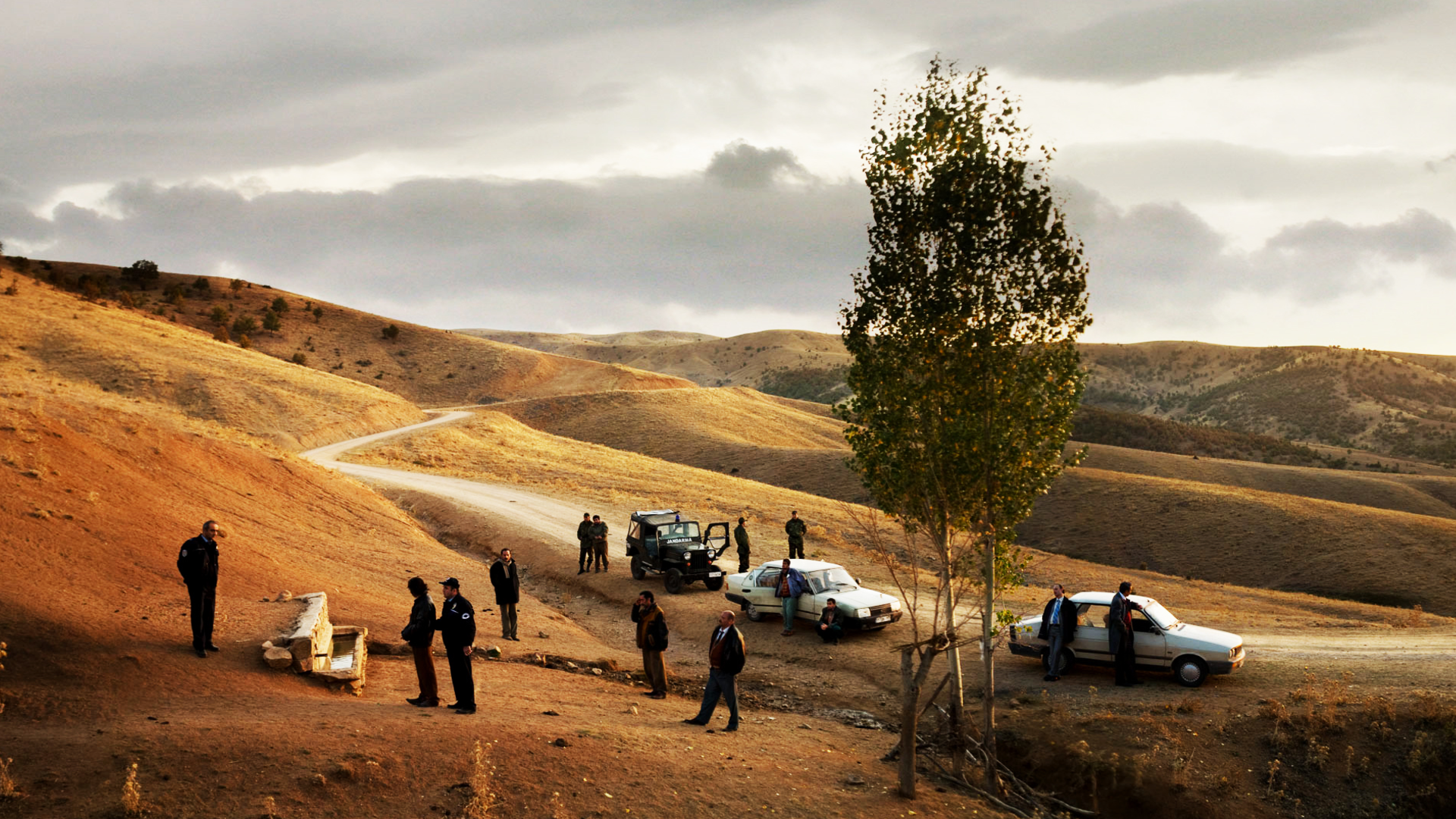
meatthesavages.com – “Once Upon a Time in Anatolia” (original title: “Bir Zamanlar Anadolu’da”) is a critically acclaimed Turkish film directed by Nuri Bilge Ceylan. Released in 2011, the film is renowned for its breathtaking cinematography, intricate storytelling, and profound exploration of human nature. This slow-paced, contemplative drama takes viewers on a journey through the remote Anatolian landscape, delving into themes of truth, justice, and the human condition.

Plot Overview

The film follows a group of men, including a prosecutor, a doctor, and a police commissar, as they traverse the Anatolian steppes in search of a buried body. This quest begins in the dead of night and unfolds over the course of 24 hours. The suspect, who has confessed to murder, struggles to recall the exact location of the body, leading the search party through a series of false leads and growing frustrations.

Cinematography and Atmosphere

One of the most striking aspects of “Once Upon a Time in Anatolia” is its cinematography. Gökhan Tiryaki, the film’s director of photography, captures the haunting beauty of the Anatolian landscape with sweeping shots and meticulous attention to detail. The film’s visual style enhances its meditative quality, immersing viewers in a world where nature and humanity are inextricably linked.

Themes and Symbolism

The film is rich with themes and symbolism that invite viewers to ponder the complexities of life. At its core, it is a meditation on the nature of truth and the moral ambiguities inherent in the human experience. The seemingly simple task of locating a body becomes a metaphor for the deeper search for meaning and understanding in life.

Characters and Performances

The ensemble cast delivers powerful performances that bring depth to the film’s philosophical undertones. The character of Dr. Cemal, played by Muhammet Uzuner, serves as a moral compass, providing a reflective lens through which the audience can examine the unfolding events. Meanwhile, Yılmaz Erdoğan’s portrayal of the weary commissar Naci adds layers of tension and realism to the narrative.

Critical Reception

“Once Upon a Time in Anatolia” received widespread critical acclaim upon its release. It won the Grand Prix at the 2011 Cannes Film Festival and was praised for its meticulous direction, strong performances, and thought-provoking narrative. Critics have lauded the film for its ability to captivate audiences with its slow pace and profound storytelling.

Conclusion

“Once Upon a Time in Anatolia” is a masterful work of cinema that transcends traditional storytelling. Through its exploration of universal themes and its stunning visual style, the film offers a profound reflection on the human condition. Nuri Bilge Ceylan’s masterpiece continues to resonate with audiences worldwide, inviting them to embark on a journey through the heart of Anatolia and the depths of the human soul.

Beijing Bicycle (2001): A Journey Through the Streets of Beijing

meatthesavages.com – “Beijing Bicycle” is a 2001 Chinese drama film directed by Wang Xiaoshuai. It tells a compelling story of youth, struggle, and the socio-economic divide in contemporary Beijing, capturing the essence of a rapidly modernizing city through the simple yet powerful symbol of a bicycle.

Plot Overview

The film follows the intersecting lives of two seventeen-year-old boys: Guei, a country boy who comes to Beijing to work as a bicycle courier, and Jian, a city boy who dreams of owning a bicycle. Guei’s bicycle, given to him by his employer, is stolen and later found in the possession of Jian. This sets off a series of events where both boys fight for possession of the bicycle, which represents much more than just a mode of transport to each of them.

Themes and Symbolism

“Beijing Bicycle” explores themes of ambition, identity, and social inequality. The bicycle itself is a potent symbol of freedom, aspiration, and the harsh realities of urban life. As the story unfolds, it becomes a vessel through which the characters’ dreams and struggles are vividly portrayed.

Cinematic Style

Wang Xiaoshuai’s direction is noted for its realistic portrayal of Beijing’s bustling city life. The film’s gritty aesthetic and naturalistic dialogue contribute to its authenticity, allowing audiences to immerse themselves in the lives of its characters. The cinematography effectively captures the contrast between the rural simplicity and urban complexity that defines modern Beijing.

Critical Reception

Upon its release, “Beijing Bicycle” received critical acclaim for its storytelling and social commentary. It was awarded the Silver Bear Grand Jury Prize at the 2001 Berlin International Film Festival, further cementing its status as an important work in Chinese cinema.

Conclusion

“Beijing Bicycle” remains a poignant exploration of youth and societal change in China. Through its engaging narrative and rich symbolism, it offers a window into the lives of those navigating the challenges of a rapidly changing world. The film continues to resonate with audiences for its universal themes and the timeless struggle for individual identity and belonging.

Exploring the Magic of Pixar’s “Up”

meatthesavages.com – Released in 2009, “Up” is a heartwarming animated film produced by Pixar Animation Studios and released by Walt Disney Pictures. Directed by Pete Docter, the movie is a blend of adventure, humor, and emotional depth, making it a beloved classic in the realm of animated films.

Plot Summary

The Beginning

“Up” begins with the touching story of Carl Fredricksen, a shy young boy, and his adventurous childhood sweetheart, Ellie. The opening sequence beautifully captures their life together, filled with dreams of exploring the world and a particular wish to visit Paradise Falls in South America.

The Adventure Takes Off

After losing Ellie, Carl, now a 78-year-old widower, decides to fulfill their lifelong dream. He ties thousands of balloons to his house, transforming it into an airship, and sets off for Paradise Falls. However, Carl soon discovers he has an unexpected stowaway—a young boy named Russell, who is eager to earn his final merit badge for assisting the elderly.

Characters

Carl Fredricksen

Carl is the protagonist, a curmudgeonly yet lovable character whose journey reflects themes of love, loss, and rediscovery. His transformation from a solitary old man to a brave adventurer is central to the film’s narrative.

Russell

Russell is an enthusiastic and persistent young boy scout who inadvertently joins Carl on his adventure. His optimism and innocence contrast with Carl’s initial grumpiness, providing comic relief and emotional depth to the story.

Dug and Kevin

Dug, a friendly talking dog with a collar that translates his thoughts, and Kevin, a colorful and exotic bird, add humor and excitement to the journey. Their interactions with Carl and Russell create memorable moments throughout the film.

Themes

Adventure and Exploration

“Up” is fundamentally about adventure and the courage to pursue one’s dreams, regardless of age. The film encourages viewers to embrace life’s journey and cherish the unexpected detours along the way.

Love and Loss

The poignant opening sequence of Carl and Ellie’s life together sets the emotional tone for the film. It explores themes of love, loss, and the enduring impact of cherished memories.

Friendship and Redemption

Through his interactions with Russell, Dug, and Kevin, Carl learns the value of friendship and opens his heart to new experiences. This journey of redemption is a core element of the film’s narrative.

Conclusion

“Up” is a beautifully crafted film that resonates with audiences of all ages. Its blend of humor, adventure, and emotional storytelling has secured its place as a timeless classic in the world of animation. The film reminds us that life’s greatest adventures are often found in the relationships we build and the dreams we dare to pursue.

The Timeless Love Story of “Veer-Zaara”

meatthesavages.com – “Veer-Zaara,” a Bollywood film released in 2004, is a poignant tale of love, sacrifice, and the enduring bond between two individuals from different countries. Directed by the legendary Yash Chopra, the film captures the essence of timeless romance against the backdrop of India-Pakistan relations.

Plot Summary

The film follows the story of Veer Pratap Singh, an Indian Air Force pilot, and Zaara Hayaat Khan, a Pakistani woman of high social status. Their paths cross when Veer saves Zaara from a bus accident in India. As Zaara stays in Veer’s village, a deep connection blossoms between them. However, her impending return to Pakistan forces them to confront the harsh realities of their love, which transcends borders but is fraught with challenges.

Themes and Symbolism

“Veer-Zaara” explores themes of love, sacrifice, and cultural divides. The film delves into the idea that true love knows no boundaries, whether they are geographical, social, or cultural. The sacrifices made by Veer and Zaara for each other highlight the depth of their commitment. The film also uses symbolism, such as the recurring motif of the yellow mustard fields, which represent hope and the promise of a better future.

Cultural Impact and Reception

The film was a massive success both commercially and critically. It resonated with audiences for its heartfelt story, memorable music, and stellar performances by its lead actors, Shah Rukh Khan and Preity Zinta. The supporting cast, including Rani Mukerji and Amitabh Bachchan, added depth to the narrative. “Veer-Zaara” also played a significant role in fostering a dialogue about India-Pakistan relations and the possibility of harmony through shared cultural heritage.

Conclusion

“Veer-Zaara” remains a beloved classic in Indian cinema, celebrated for its emotional depth and its portrayal of love that defies all odds. Its timeless narrative continues to inspire audiences, reminding them of the power of love to transcend borders and bring people together.