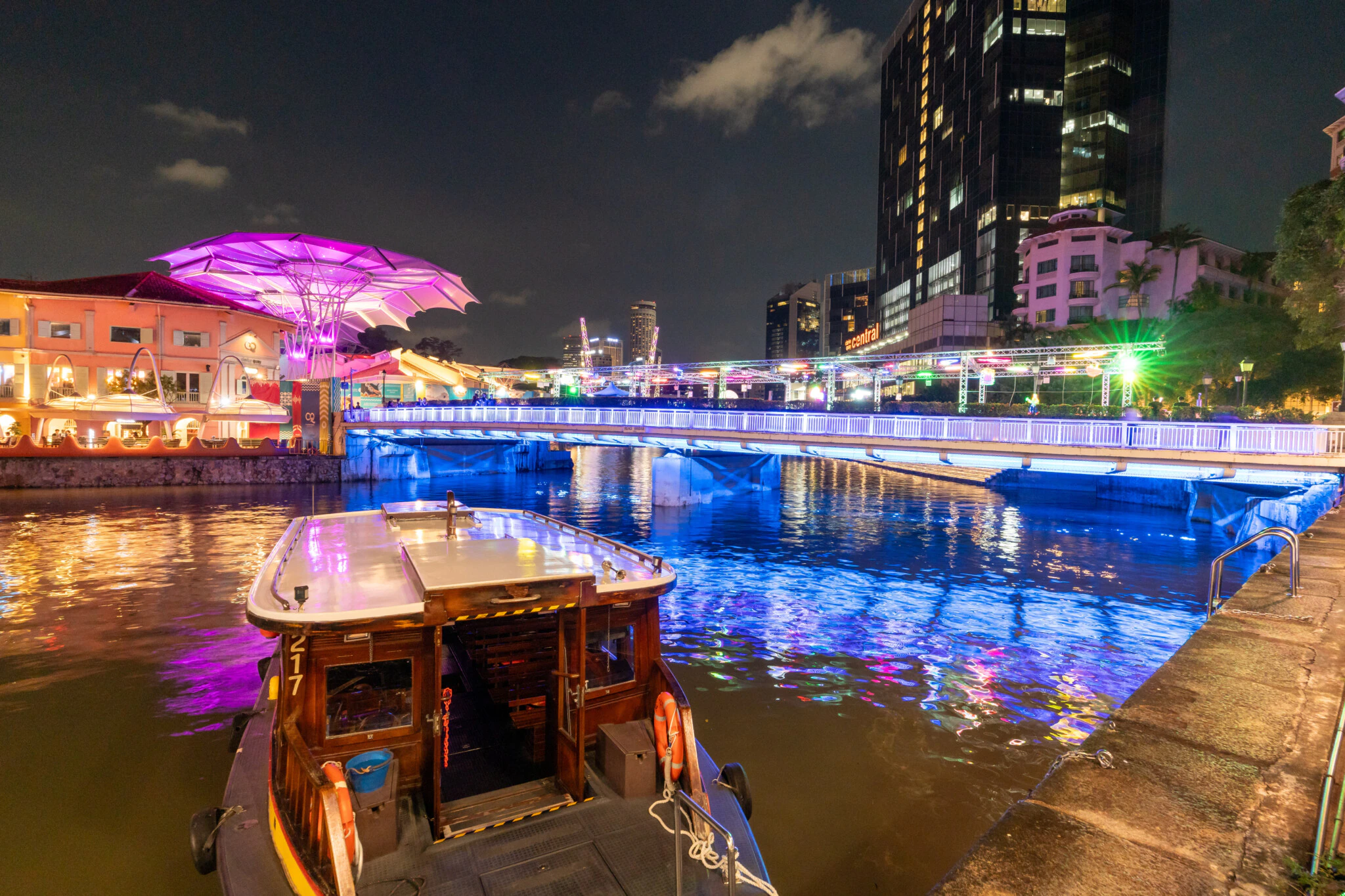
meatthesavages.com – The Singapore River Festival is a vibrant annual event that celebrates the rich history and heritage of Singapore’s iconic river. The festival brings the Singapore River to life with a variety of activities, including thrilling boat races, cultural performances, and a lively carnival atmosphere along its scenic riverbanks. As one of Singapore’s most cherished events, the festival highlights the significance of the river in shaping the city’s past while embracing its modern identity.
Boat Races: A Tradition of Competition
One of the main highlights of the Singapore River Festival is the exciting series of boat races that take place along the river. Traditional dragon boat and bumboat races are held, recalling the river’s historic role as a bustling waterway used for trade and transport. The boat races attract skilled teams from both Singapore and abroad, competing in a thrilling display of athleticism and teamwork.
The dragon boat races, in particular, are a crowd favorite, with brightly colored boats adorned with dragon heads cutting through the water in sync with the rhythmic beating of drums. Spectators gather along the riverbanks to cheer on the competitors, creating an electric atmosphere that reflects the competitive spirit and camaraderie of the event.
Cultural Performances: Showcasing Singapore’s Diversity
The Singapore River Festival is not just about the river’s historical significance but also celebrates the multicultural richness of Singapore’s society. Throughout the festival, the riverbanks come alive with a variety of cultural performances that reflect the island’s diverse communities. Visitors can enjoy traditional music, dance, and theatrical performances from different ethnic groups, including Malay, Chinese, Indian, and Peranakan influences.
These performances provide a window into Singapore’s cultural heritage, showcasing traditional art forms like Chinese lion dances, Malay dikir barat, and Indian classical dance alongside contemporary interpretations of Singapore’s evolving cultural identity. Street performers, buskers, and musicians also add to the festive atmosphere, creating a dynamic blend of heritage and modernity.
Carnival Atmosphere: Fun Along the Riverbanks
In addition to the boat races and cultural performances, the Singapore River Festival embraces a carnival-like atmosphere with a variety of fun and engaging activities for visitors of all ages. The riverbanks are lined with pop-up food stalls, games, and carnival rides, creating a festive environment where families and friends can gather to enjoy the celebration.
Visitors can sample a wide range of delicious food options, from local street food favorites like satay, rojak, and ice kacang to international culinary delights. The riverside is also filled with vibrant market stalls offering handmade crafts, souvenirs, and artisanal products, adding to the lively atmosphere of the festival.
Illuminating the River: Light Shows and Installations
As the sun sets, the Singapore River is transformed into a stunning visual spectacle with light shows and art installations that illuminate its waters and surrounding landmarks. These artistic light displays often highlight the historical significance of the river while embracing modern creativity and innovation. Iconic bridges, such as Elgin Bridge and Anderson Bridge, are bathed in colorful lights, adding to the magical atmosphere of the festival.
The light shows, combined with the reflections on the water, create a breathtaking backdrop for evening strolls along the riverbanks. Visitors can enjoy the illuminated river while watching the ongoing performances and taking in the festive ambiance.
Honoring the River’s Heritage
The Singapore River holds deep historical significance for the city-state, having been the lifeblood of trade and commerce during Singapore’s early years. The festival not only celebrates the river’s past but also educates visitors about its role in shaping Singapore’s growth. Special exhibits and walking tours are often organized as part of the festival, offering insights into the river’s transformation from a working waterway to a vibrant cultural and entertainment district.
Through storytelling, interactive displays, and historical reenactments, the festival highlights key moments in Singapore’s history, including its colonial past, the arrival of early immigrants, and the bustling trade activities that once dominated the river’s banks.
Conclusion
The Singapore River Festival is a celebration of the city’s rich heritage and cultural diversity, offering a mix of thrilling boat races, captivating performances, and fun-filled carnival activities along the scenic riverbanks. Whether you’re there to cheer on the boat racers, enjoy the colorful performances, or simply soak in the festive atmosphere, the festival is a lively and engaging event that honors Singapore’s past while celebrating its vibrant present. It’s a must-visit for anyone looking to experience the energy and spirit of one of Singapore’s most beloved traditions.
