Queen Anne’s Lace: A Delicate and Timeless Wildflower

meatthesavages.com – Queen Anne’s Lace (Daucus carota), also known as Wild Carrot, is a beautiful and distinctive wildflower that has been captivating gardeners and naturalists for centuries. This delicate flower, native to Europe and parts of Asia, has spread across North America and is often seen growing in fields, meadows, and along roadsides. With its lacy, intricate flower head and soft white blooms, Queen Anne’s Lace has earned its place as a favorite in both wildflower gardens and natural landscapes. Known for its airy, feathery appearance and its ties to both folklore and culinary uses, this plant is both an ornamental beauty and a part of cultural history.

Physical Characteristics

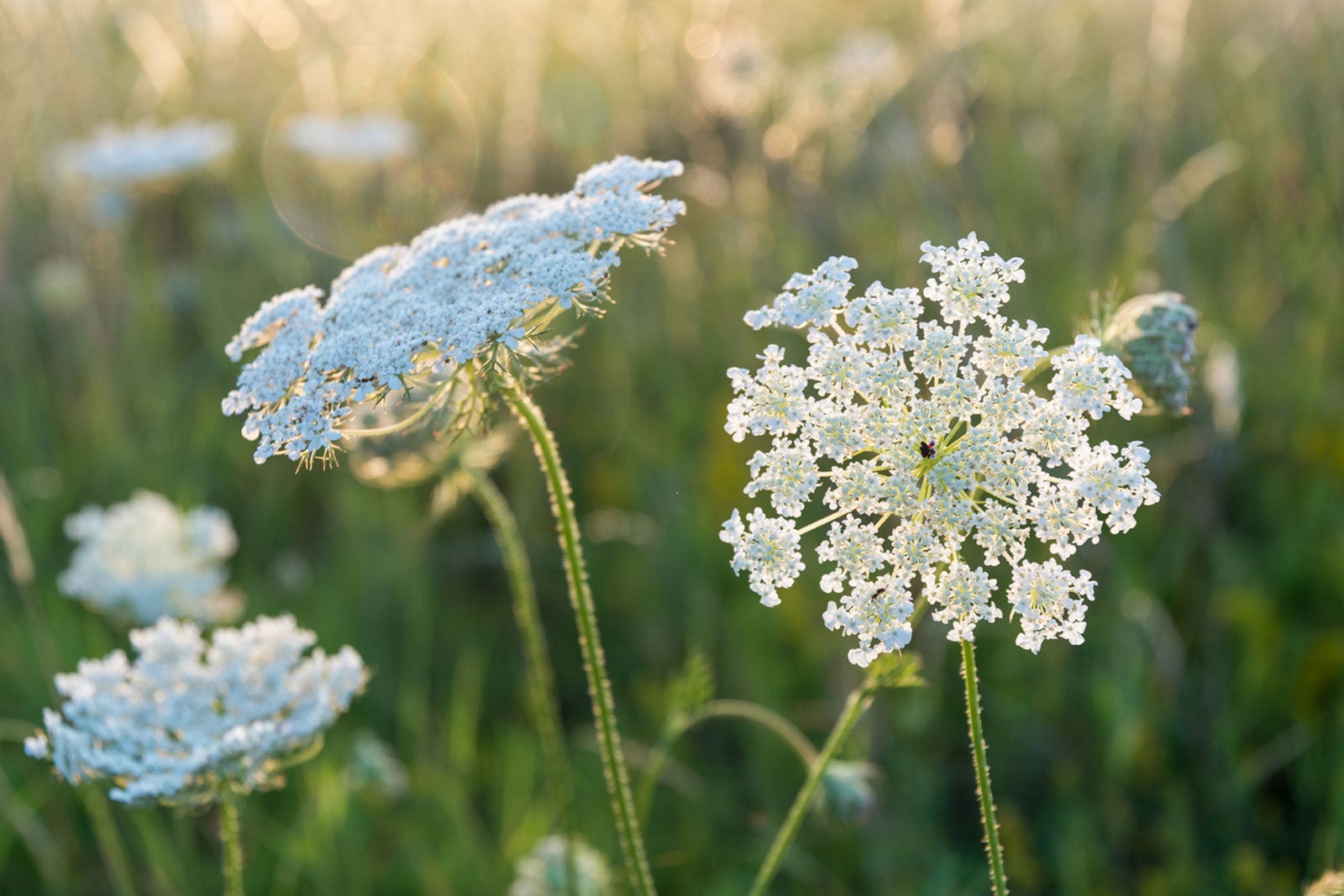
Queen Anne’s Lace is an herbaceous biennial or short-lived perennial that typically grows between 2 to 3 feet (60 to 90 cm) tall, with a spread of around 12 to 18 inches (30 to 45 cm). The plant’s feathery, fern-like leaves are a deep green and are often deeply divided, giving the plant a delicate, lace-like appearance. The flowers are arranged in a flat, umbrella-shaped cluster called an “umbel,” measuring about 4 to 6 inches (10 to 15 cm) across. Each umbel consists of hundreds of tiny, white flowers, with a single deep purple or red flower often found in the center. This distinctive central flower is said to be the “Queen Anne’s” mark, giving the plant its name.

The plant blooms from mid-summer to early fall, attracting a wide range of pollinators, including bees, butterflies, and hoverflies. The flowers eventually give way to small, spiny seed heads that resemble a bird’s nest, which continue to provide interest throughout the autumn months.

Growing Conditions

Queen Anne’s Lace is a hardy and adaptable plant that thrives in well-drained soil, including sandy, loamy, and even somewhat dry soil. It prefers full sun to partial shade and can tolerate a variety of soil types, making it well-suited for natural landscapes and wildflower meadows. The plant grows best in areas with moderate moisture, though it is relatively drought-tolerant once established.

Queen Anne’s Lace is often grown from seeds, which can be directly sown in the soil after the last frost in the spring or in the fall. The seeds require light to germinate, so they should not be buried deeply. Once the plant is established, it will continue to reseed itself year after year, often naturalizing and spreading in meadows, fields, and gardens. While it may take a year or two to fully mature and bloom, the plant’s ability to self-seed ensures its continued presence in the landscape.

Uses in Gardening and Landscaping

Queen Anne’s Lace is a lovely addition to wildflower gardens, naturalized areas, and cottage-style landscapes. It pairs beautifully with other native wildflowers, such as Black-eyed Susans, Coneflowers, and Shasta daisies, creating a soft, naturalistic look. The plant’s airy, lacy appearance makes it an ideal choice for adding texture to garden borders or mixed perennial beds. Queen Anne’s Lace also works well in meadow gardens or xeriscaping, where its drought tolerance and ability to thrive in poorer soils are valued.

The flowers can also be used as cut flowers in floral arrangements, where their delicate, white blooms add a touch of wild beauty to bouquets. The plant’s long, thin stems and feathery foliage provide an elegant, natural touch to garden vases. Its ability to self-seed means that gardeners can enjoy continuous blooms in subsequent years without the need for replanting.

Culinary and Medicinal Uses

Although Queen Anne’s Lace is primarily valued for its ornamental beauty, it has been used historically for both culinary and medicinal purposes. The young roots of the plant are edible and are said to resemble the flavor of carrots, hence its common name, Wild Carrot. In the past, the roots were harvested for use in soups, stews, and herbal teas, though they must be carefully identified, as Queen Anne’s Lace closely resembles the toxic plant, Poison Hemlock. It’s important to never consume the roots unless they have been properly identified by an expert.

In herbal medicine, Queen Anne’s Lace has been used in traditional remedies for a variety of ailments, including digestive issues, urinary problems, and as a diuretic. The plant has a history of being used to relieve menstrual cramps, promote menstrual flow, and as a mild laxative. However, like with any herbal remedy, it is important to consult with a healthcare professional before using Queen Anne’s Lace for medicinal purposes.

Ecological Importance

Queen Anne’s Lace plays an important role in supporting pollinators. Its flat, umbrella-like flower heads are easily accessible to bees, butterflies, and other beneficial insects, which rely on the plant for nectar and pollen. By attracting a variety of pollinators, Queen Anne’s Lace contributes to the overall health of the local ecosystem, making it a valuable plant for biodiversity.

Additionally, its deep taproot allows Queen Anne’s Lace to grow in a variety of soil types, including poor or dry soils, and it can help to stabilize soil and prevent erosion in areas where other plants may struggle to thrive. As a self-seeding plant, it also helps to maintain a constant presence in the landscape, offering valuable habitat for small insects and birds.

Conclusion

Queen Anne’s Lace is a timeless wildflower that combines beauty, ecological benefits, and historical significance. With its delicate, lace-like flowers and ability to thrive in a variety of growing conditions, it’s an excellent choice for gardeners looking to add natural charm and biodiversity to their landscapes. Whether used in wildflower gardens, meadows, or cottage-style plantings, Queen Anne’s Lace provides a soft, airy texture and long-lasting visual appeal. Its culinary and medicinal uses, along with its role in supporting pollinators and promoting soil health, make it a valuable addition to any garden or natural area.
Common Gorse Flower: The Bright and Hardy Wildflower

meatthesavages.com – The Common Gorse (Ulex europaeus) is a striking and resilient shrub native to Europe and parts of Asia, known for its vibrant yellow flowers and its ability to thrive in harsh conditions. Often referred to as whin or furze, common gorse is a member of the Fabaceae family, and it is well-regarded for its hardiness and wild beauty. The gorse plant is commonly found in heathlands, coastal areas, and scrublands, where it forms dense, spiny bushes that add a burst of color to the landscape. This hardy plant is not only known for its striking visual appeal but also for its important role in local ecosystems.

Botanical Description

The Common Gorse is a sprawling shrub that typically grows between 3 to 6 feet (1 to 2 meters) in height. It has spiny, needle-like leaves that are a distinctive feature of the plant, providing it with a defensive structure against herbivores. These sharp, evergreen needles remain throughout the year, giving the plant its year-round structure and appearance.

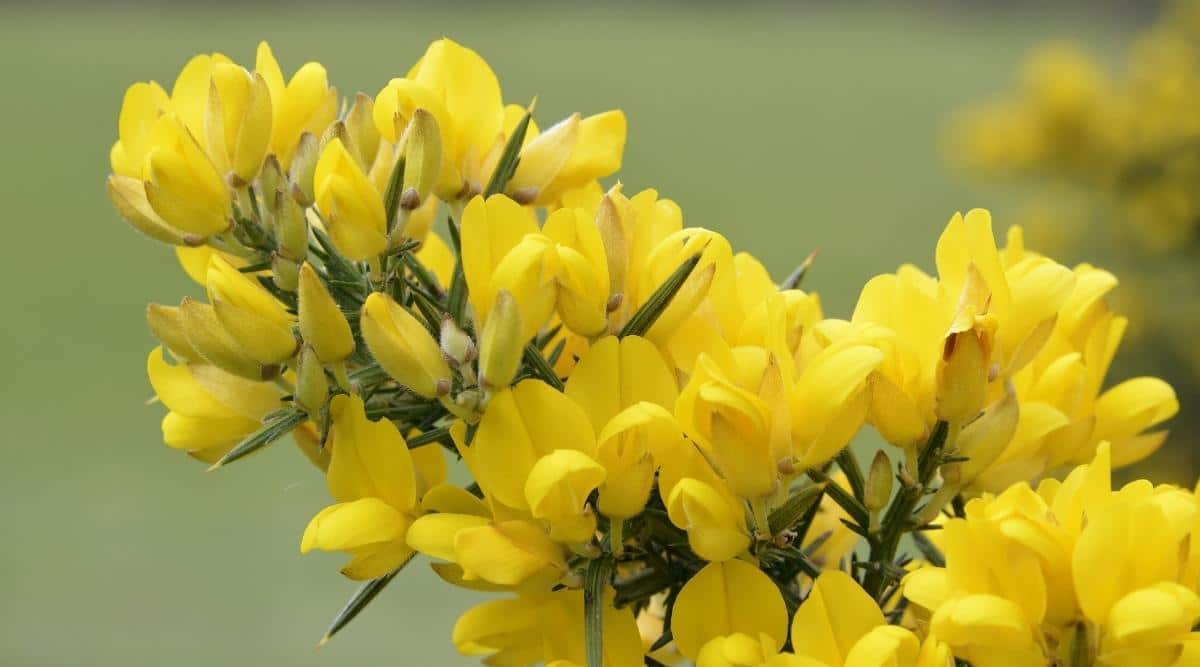
The most striking aspect of the gorse is its bright yellow flowers, which appear in profusion from late winter to early spring. The flowers are small, typically around 1 inch (2.5 cm) across, and resemble those of the pea family with their butterfly-like petals. The flowers are highly aromatic, emitting a coconut-like fragrance that makes them unmistakable during their blooming period. Common gorse is capable of flowering multiple times throughout the year, depending on the climate, but it tends to peak in early spring.

After blooming, the gorse produces flat, brown seed pods that contain numerous small seeds. These seeds are often dispersed by the wind, and the plant is capable of rapidly colonizing open areas, which makes it both a pioneer species and an invasive plant in some regions.

Habitat and Growth Conditions

The Common Gorse is highly adaptable and thrives in a wide range of environments. It is often found in coastal areas, heathlands, moorlands, and scrublands, where it can withstand poor soils, wind, and salt spray. Gorse is particularly well-suited to acidic soils, and it often grows in areas that are too inhospitable for many other plants.

In the wild, gorse can be seen growing in sunny and open spaces, where it forms dense thickets. The plant is highly tolerant of dry conditions and can even survive during droughts once established. However, it does best with regular rainfall and a moderate climate.

Gorse is commonly found in temperate regions and grows naturally in areas with a Mediterranean-type climate, such as parts of the UK, Ireland, Spain, and Portugal. It is a hardy shrub that can survive in a wide variety of conditions, ranging from cold, wet winters to hot, dry summers.

Cultivation and Care

Growing Common Gorse can be a rewarding experience, especially for gardeners who wish to cultivate a low-maintenance, drought-tolerant shrub. Gorse is often used for wildflower gardens, hedgerows, or naturalistic landscapes, where it adds vibrant color and texture. Below are some essential tips for cultivating and caring for gorse:

  1. Planting: Gorse can be grown from seeds or cuttings. To start from seed, sow seeds in early spring in well-drained, acidic soil. It is important to soak the seeds for 24 hours before sowing to improve germination rates. Plant the seeds in a sunny spot and space them 2 to 3 feet apart to allow for their spreading growth. For propagation by cuttings, take semi-hardwood cuttings in late summer or early fall and root them in moist soil.
  2. Watering: While gorse is highly drought-tolerant once established, it benefits from regular watering during its early growth stages. Once the plant is established, water deeply during dry periods but avoid waterlogging, as gorse prefers well-drained soil.
  3. Fertilizing: Gorse does not require much fertilization, as it thrives in nutrient-poor soils. If desired, apply a balanced, slow-release fertilizer in early spring to encourage healthy growth. Avoid over-fertilizing, as this can lead to excessive leaf growth at the expense of flowers.
  4. Pruning: Gorse requires minimal pruning but can be trimmed back after blooming to maintain its shape. Pruning can also help manage the plant’s growth, especially in areas where it might become invasive. Removing dead or damaged branches is recommended to encourage new growth.
  5. Pest and Disease Control: Common gorse is relatively pest-resistant but may occasionally be affected by aphids or fungal diseases such as powdery mildew. Regular inspection and removal of any infected foliage can help maintain the health of the plant. Good air circulation and avoiding overcrowding will help prevent fungal issues.

Symbolism and Cultural Significance

The Common Gorse has significant cultural and historical importance in various regions. In ancient times, gorse was often associated with prosperity and good fortune due to its bright, golden flowers. Its resilience and ability to thrive in harsh conditions made it a symbol of strength and endurance.

In Celtic mythology, gorse was considered a symbol of protection, and its dense thickets were believed to shield people from evil spirits. The bright yellow flowers were also thought to represent the sun and were linked to the fertility of the earth. Gorse has also been used in traditional folklore as a magical plant, often planted around homes to bring good luck.

Additionally, gorse flowers are sometimes included in wedding bouquets in regions where the plant is native, symbolizing unity, loyalty, and the everlasting nature of love.

Ecological Benefits

The Common Gorse plays an important role in local ecosystems. As a pioneer plant, it helps to stabilize soil and prevent erosion in disturbed or barren areas. Its dense growth creates a sheltered environment for smaller plants and animals, making it a valuable plant for supporting biodiversity.

Gorse is also an important source of nectar for a variety of pollinators, including bees, butterflies, and moths. The fragrant flowers attract these insects, which are vital for pollinating other wildflowers and crops. Additionally, gorse provides shelter for small mammals, birds, and other wildlife, contributing to the overall health of ecosystems.

Ornamental Uses

Common gorse is often used as an ornamental plant in wildflower gardens and natural landscapes. Its bright yellow flowers add a cheerful burst of color to open spaces and scrubby areas, making it an excellent choice for creating hedgerows, privacy screens, or boundary plantings. The plant’s ability to thrive in poor soils and tolerate difficult growing conditions makes it ideal for low-maintenance gardens.

Gorse is also used in erosion control and land reclamation projects, where its deep root system helps stabilize loose or degraded soil. In addition, its ability to grow in coastal environments makes it a useful plant for stabilizing dunes and coastal habitats.

Conclusion

The Common Gorse is a vibrant, hardy shrub that offers beauty and practical benefits to gardens and natural landscapes alike. With its bright yellow flowers, resilience in tough conditions, and important role in supporting pollinators and wildlife, gorse is a valuable plant for gardeners and ecologists. Whether planted for its beauty, its ecological benefits, or its cultural significance, the common gorse is a symbol of strength, endurance, and natural resilience.