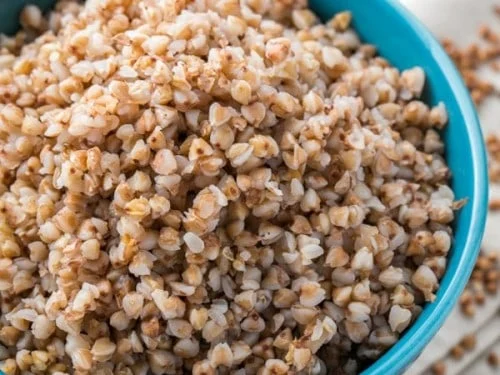
meatthesavages.com – Kasha is a staple food in Ukrainian cuisine, made from buckwheat or other grains such as barley, millet, or oats. The dish is a versatile and nourishing meal, prepared in both savory and sweet variations. Whether served as a hearty side dish to accompany meat or transformed into a comforting dessert, kasha is a beloved comfort food that has stood the test of time in Ukrainian homes. With its rich history and nutritional value, kasha remains an integral part of daily life and festive meals alike.
The Types of Grains Used in Kasha
While buckwheat is the most common grain used to make kasha, the term can also refer to a dish made from other grains. Each variety offers distinct flavors and textures, allowing kasha to be adapted to suit different tastes and dietary needs:
- Buckwheat (Grechka): Buckwheat is the most iconic grain for making kasha in Ukraine. Despite its name, it is not a wheat product but a pseudocereal related to rhubarb and sorrel. It has a slightly nutty flavor and a hearty texture, making it perfect for both savory and sweet dishes.
- Barley: Barley kasha, made from pearled barley, is another popular choice. It has a chewy texture and is often used in savory preparations, sometimes cooked with mushrooms or meat.
- Millet: Millet kasha is light and fluffy, often served as a sweet dish with milk and sugar or used as a savory side dish with vegetables and herbs.
- Oats: Oats can also be used for kasha, though they are more commonly found in breakfast porridge in the form of oatmeal. However, in Ukraine, oats may be prepared as a savory kasha and paired with meats or vegetables.
- Rice: Although less traditional, rice can be used in a kasha preparation, often served as a side dish or filling for stuffed vegetables or meats.
The Preparation of Kasha
Preparing kasha is simple and can vary depending on the type of grain and the desired result, but the basic method of preparation remains the same: the grains are rinsed, boiled, and cooked until tender. Here’s a basic guide on how to make kasha:
Step 1: Rinse the Grains
Start by rinsing the grains under cold water to remove any dust or debris. This is especially important for buckwheat, as it often contains small bits of hull that need to be washed away.
Step 2: Toast the Grains (Optional)
To enhance the nutty flavor of the kasha, many recipes call for toasting the grains before boiling. To do this, heat a dry pan over medium heat and toast the grains for a few minutes until they become fragrant. This step is particularly common with buckwheat and barley.
Step 3: Cook the Grains
Add the grains to a pot with water or broth. The general ratio is one part grain to two parts liquid, though this can vary depending on the type of grain. Bring the mixture to a boil, then reduce the heat and cover the pot. Allow the grains to simmer for 10-20 minutes, or until they are tender and the liquid has been absorbed. If using broth, this will add extra flavor to the dish.
Step 4: Fluff and Season
Once the grains are cooked, fluff them with a fork to separate the grains. Season with salt, butter, and pepper, or other herbs and spices, depending on whether you’re making a savory or sweet version.
Savory Kasha Variations
Kasha is often prepared as a savory dish and served alongside meats, stews, or vegetables. Some of the most common savory variations of kasha include:
- Kasha with Mushrooms and Onions: A popular and hearty dish, this variation involves sautéing onions and mushrooms in butter and mixing them into the cooked grains. The savory umami flavor of the mushrooms pairs beautifully with the nutty taste of buckwheat or barley.
- Kasha with Meat: Kasha is often served as a side dish with meat, such as pork, beef, or chicken. In some cases, the grains are cooked together with the meat, allowing the flavors to meld. It can be a simple dish of kasha with sautéed onions, or more elaborate versions may include roasted meats, gravy, or sausages.
- Kasha with Vegetables: Kasha can also be made as a light, vegetarian dish by mixing the cooked grains with sautéed or roasted vegetables like carrots, peas, and cabbage. This is a great option for a fulfilling and nutritious meal, often enjoyed during Lent or other meatless days.
- Kasha with Eggs: In some variations, kasha is mixed with eggs, creating a scrambled, savory dish that is perfect for breakfast or brunch.
- Kasha in Broth: Some regions of Ukraine prepare kasha by cooking it in a flavorful broth, either vegetable or meat-based. This creates a more soupy consistency and is often served as a warming dish in the winter months.
Sweet Kasha Variations
Kasha can also be transformed into a sweet dish, making it a comforting dessert or breakfast option. The grain’s mild flavor provides a great base for various sweet ingredients like fruits, honey, or sugar. Some of the most popular sweet variations include:
- Millet Kasha with Milk and Sugar: Millet kasha is often cooked with milk and sweetened with sugar to create a creamy, comforting dish. It can be topped with a sprinkling of cinnamon or nutmeg, and some people even add dried fruits like raisins or apricots for extra sweetness.
- Buckwheat Kasha with Honey and Fruit: A sweet version of buckwheat kasha might include a drizzle of honey, topped with fresh fruits such as berries, apples, or bananas. The nutty flavor of buckwheat pairs well with the sweetness of the honey and fruit.
- Rice Kasha with Cinnamon and Sugar: Although less common in traditional Ukrainian cuisine, rice can also be used to make a sweet kasha. It is typically cooked with milk and sugar, then flavored with cinnamon and topped with nuts or dried fruit.
- Kasha with Jam: For a simple sweet treat, kasha can be served with a dollop of fruit jam or preserves, adding a burst of fruity sweetness that pairs perfectly with the mild, nutty flavor of the grains.
Health Benefits of Kasha
Kasha is not only delicious but also packed with nutritional benefits. The grains used to make kasha, particularly buckwheat, offer a wide range of health advantages:
- High in Fiber: Buckwheat and other whole grains are rich in fiber, which is beneficial for digestion and heart health.
- Rich in Protein: Buckwheat is a high-quality plant-based protein, making it an excellent choice for vegetarians and vegans.
- Packed with Nutrients: Kasha is a good source of essential vitamins and minerals, including B vitamins, magnesium, iron, and manganese.
- Gluten-Free: Buckwheat and millet are naturally gluten-free, making kasha an ideal option for those with gluten sensitivity or celiac disease.
- Energy-Boosting: The complex carbohydrates in kasha provide long-lasting energy, making it a great choice for breakfast or lunch.
Kasha in Ukrainian Culture
Kasha holds a significant place in Ukrainian culture and cuisine. It is often associated with comfort, home cooking, and hearty meals that nourish the body and soul. Traditionally, kasha was prepared in Ukrainian homes as a staple food that could be eaten with almost any meal. It is particularly popular in rural areas where grains like buckwheat and barley are readily available.
In Ukrainian folklore, kasha is considered a symbol of well-being and prosperity. During special occasions and holidays, families might prepare large quantities of kasha to share with guests, and it is often served as part of a traditional festive meal.
Conclusion
Kasha is a quintessential part of Ukrainian cuisine that can be prepared in a variety of ways, both savory and sweet. Whether enjoyed as a simple side dish with mushrooms, a hearty meal with meat, or a comforting dessert with honey and fruit, kasha offers a versatile and nutritious option for any meal. Its rich cultural significance and health benefits make it a cherished dish in Ukraine, and its popularity continues to spread beyond the country’s borders. With its nutty flavor and hearty texture, kasha remains a timeless favorite that nourishes the body and soul.
