Nauru’s Natural Resources & Environmental Issues

meatthesavages.com – Nauru, a small island nation located in the Pacific Ocean, faces significant environmental challenges that threaten its natural resources and overall sustainability. This article explores the natural resources of Nauru and the environmental issues it encounters, highlighting the impact of climate change, phosphate mining, and other ecological concerns.

Natural Resources of Nauru

Phosphate

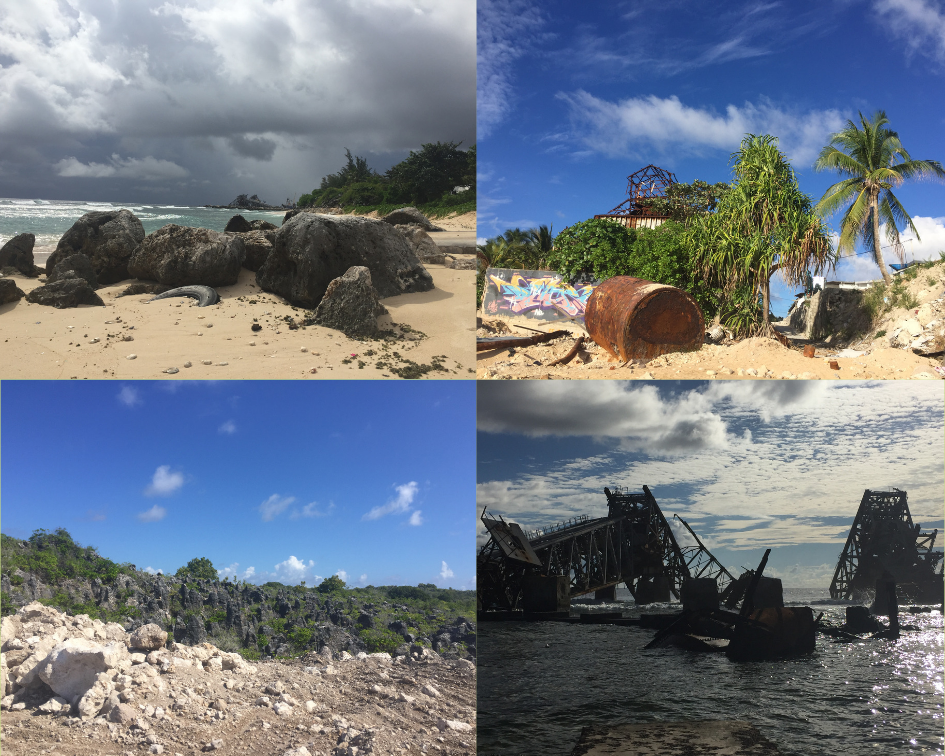
Nauru’s most significant natural resource is phosphate, a mineral essential for fertilizers. The island has been mined for phosphate since the early 1900s, which has been a major economic driver for the country. However, this extensive mining has led to severe environmental degradation, rendering much of the island uninhabitable.

Coral Reefs

Nauru is surrounded by coral reefs, which are among the richest ecosystems in the world. These reefs support a diverse array of marine life and are crucial for the island’s fisheries and tourism industries.

Environmental Issues

Climate Change

Nauru is highly vulnerable to the effects of climate change. Rising sea levels pose a significant threat to the island’s low-lying coastal areas, where the majority of the population resides. Extreme weather events, ocean acidification, and coral bleaching are additional challenges that exacerbate the island’s environmental stress.

Phosphate Mining

Over a century of phosphate mining has devastated Nauru’s landscape. Approximately 80% of the island has been mined, leaving behind a barren and toxic landscape. The environmental damage from mining has led to soil erosion, loss of biodiversity, and significant health risks for the local population.

Waste Management

Nauru struggles with waste management issues, particularly the disposal of hazardous waste from mining operations. The improper disposal of chemicals and waste has contaminated the soil and water sources, further degrading the environment.

Water Scarcity

The island faces severe water scarcity due to its limited freshwater resources and the contamination caused by mining activities. This scarcity impacts both human consumption and agricultural needs, posing a significant challenge to the island’s sustainability.

Conclusion

Nauru’s environmental issues are complex and multifaceted, driven by historical phosphate mining, climate change, and inadequate waste management. Addressing these challenges requires comprehensive strategies that balance economic development with environmental protection. International support and cooperation are crucial for Nauru to navigate these challenges and ensure a sustainable future for its people and natural resources.
Sustainable Tourism in Iceland: Environmental Responsibility

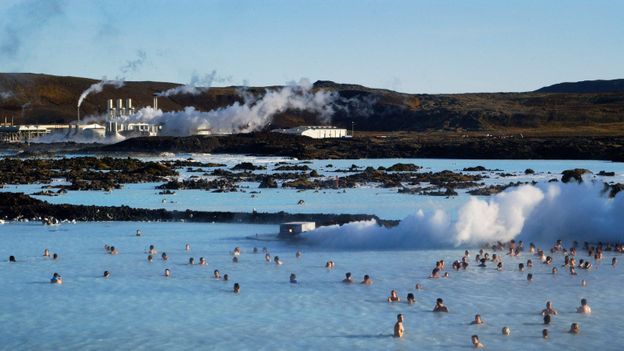
meatthesavages.com – Iceland, a land of breathtaking natural beauty, has become a popular destination for tourists seeking unique experiences. However, the rapid growth of tourism has posed significant challenges to the country’s environment and local communities. In response, Iceland has implemented various initiatives to promote sustainable tourism practices, ensuring that the industry’s growth does not come at the expense of the environment or local cultures.

Government and Community Efforts

The Icelandic government, in collaboration with local communities, has taken proactive steps to encourage sustainable tourism. These efforts include the implementation of policies aimed at reducing the environmental impact of tourism and promoting responsible travel practices. The government has also worked to educate tourists about the importance of respecting the natural environment and local cultures, ensuring that visitors leave a positive impact on the places they visit.

Sustainable Practices by Tour Operators

Tour operators in Iceland, such as Forest Cat Travel, have adopted comprehensive sustainability policies to minimize the negative effects of tourism. These policies focus on reducing waste, using renewable energy sources, and supporting local communities. For instance, Forest Cat Travel has achieved the “Travelife Engaged” certification and is working towards the “Travelife Partner” certification, which requires meeting over 100 sustainability criteria. The company’s efforts include using electronic travel documents, sourcing from local suppliers, and promoting responsible travel behavior among tourists.

Strategic Initiatives

One of the key strategic initiatives in Iceland is the reintroduction of the accommodation tax, which was previously in place before the pandemic. This tax helps fund sustainable tourism projects and infrastructure, ensuring that the benefits of tourism are distributed equitably among local communities and used to protect the environment.

Sustainable Accommodation

Iceland is home to numerous eco-friendly hotels and accommodations that are committed to reducing their carbon footprint. These establishments use renewable energy sources, implement waste reduction strategies, and support local economies. The country’s commitment to sustainable tourism is evident in the growing number of hotels that have achieved sustainability certifications, making Iceland a prime destination for eco-conscious travelers.

Economic and Social Impact

The growth of tourism has had a significant positive impact on Iceland’s economy, providing new job opportunities and services, particularly in rural areas. The majority of Icelanders view tourism positively, recognizing its role in economic development and social well-being. However, there is a strong emphasis on ensuring that this growth is sustainable, balancing economic benefits with environmental and social responsibilities.

Conclusion

Sustainable tourism in Iceland is a multifaceted effort involving government policies, community engagement, and responsible practices by tour operators and accommodations. By focusing on reducing environmental impact, supporting local communities, and promoting responsible travel, Iceland is setting a benchmark for sustainable tourism practices. As the industry continues to grow, it is crucial that these efforts are maintained to ensure that the beauty and integrity of Iceland’s natural and cultural heritage are preserved for future generations.