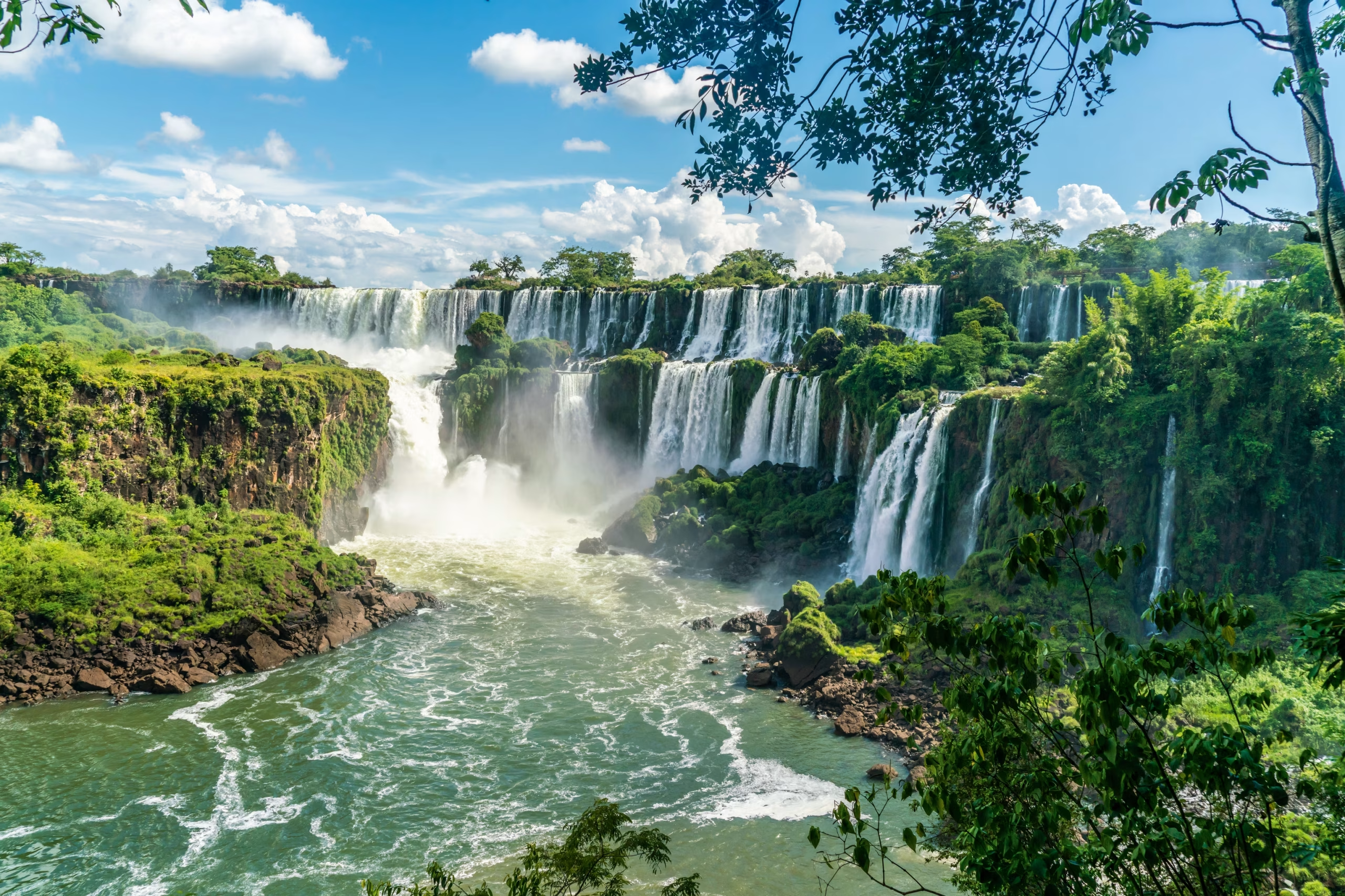
Misiones: A Tapestry of Jungles and Waterfalls

meatthesavages.com – Misiones, a province nestled in northeastern Argentina, is a land of lush rainforests, stunning waterfalls, and diverse wildlife. This tropical paradise offers a unique blend of natural beauty and cultural richness.

The Iguazú Falls: A Natural Wonder

The Iguazú Falls, one of the most spectacular waterfalls in the world, is the crown jewel of Misiones. This awe-inspiring cascade of water plunges over the edge of a basalt cliff, creating a breathtaking spectacle. Visitors can explore the falls from various vantage points, including boat tours and walking trails.

The Rainforest: A Lush Oasis

Misiones is home to the Atlantic Forest, a diverse ecosystem that supports a wide range of plant and animal species. The province’s lush rainforests offer opportunities for hiking, birdwatching, and wildlife spotting. The Iguazú National Park, a UNESCO World Heritage Site, is a prime destination for exploring the region’s natural wonders.

A Cultural Melting Pot

Misiones’ cultural heritage is a fascinating blend of indigenous Guaraní cultures, Spanish colonization, and European immigration. The province’s vibrant cultural traditions are reflected in its music, dance, and cuisine. The chamamé, a traditional Argentine folk music genre, is deeply rooted in Misiones.

A Gastronomic Delight

Misiones’ cuisine is a delicious fusion of indigenous and European influences. The province is famous for its yerba mate, a traditional South American caffeinated drink. Other popular dishes include chipa guazú, a cornbread made with cheese and pumpkin, and asado, a traditional Argentine barbecue.

A Sustainable Future

Misiones is committed to sustainable development and environmental conservation. The province has implemented initiatives to protect the Iguazú National Park and promote ecotourism. By preserving its natural and cultural heritage, Misiones aims to ensure a sustainable future for generations to come.

A Tropical Paradise

Misiones, with its stunning landscapes, rich cultural heritage, and warm hospitality, is a tropical paradise. Whether you are seeking adventure, relaxation, or cultural immersion, Misiones offers a unique and unforgettable experience.

Saint-Barthélemy: A Caribbean Paradise

meatthesavages.com – Saint-Barthélemy, often referred to as St. Barts, is a luxurious island in the Caribbean Sea. Known for its stunning beaches, upscale resorts, and vibrant nightlife, St. Barts is a popular destination for celebrities and affluent travelers. The island’s French heritage and Caribbean charm create a unique and sophisticated atmosphere.

A Tropical Paradise

St. Barts is renowned for its pristine beaches, crystal-clear waters, and lush vegetation. The island’s diverse landscape offers something for everyone, from secluded coves to bustling beaches.

  • Gustavia: The island’s capital, Gustavia, is a charming harbor town with a mix of French and Caribbean architecture. Its duty-free shops, fine dining restaurants, and lively bars attract visitors from around the world.
  • St. Jean: A popular beach town with a vibrant nightlife scene.
  • Saline Beach: A stunning white-sand beach, often considered one of the most beautiful beaches in the Caribbean.

A Taste of Luxury

St. Barts is synonymous with luxury. The island is home to a number of world-class resorts, spas, and restaurants. Visitors can indulge in gourmet dining, pampering spa treatments, and exclusive shopping experiences.

A Cultural Melting Pot

St. Barts’s culture is a fascinating blend of French and Caribbean influences. The island’s Creole heritage is evident in its music, dance, and cuisine. Visitors can experience the local culture by attending festivals, sampling Creole dishes, and exploring the island’s historical sites.

A Diver’s Paradise

St. Barts’s crystal-clear waters are ideal for diving and snorkeling. The island’s diverse marine life, including colorful coral reefs and exotic fish, attracts divers from around the world.

Conclusion

St. Barts is a luxurious and exclusive island that offers a truly unforgettable experience. Its stunning beaches, vibrant culture, and sophisticated atmosphere make it a top destination for discerning travelers.

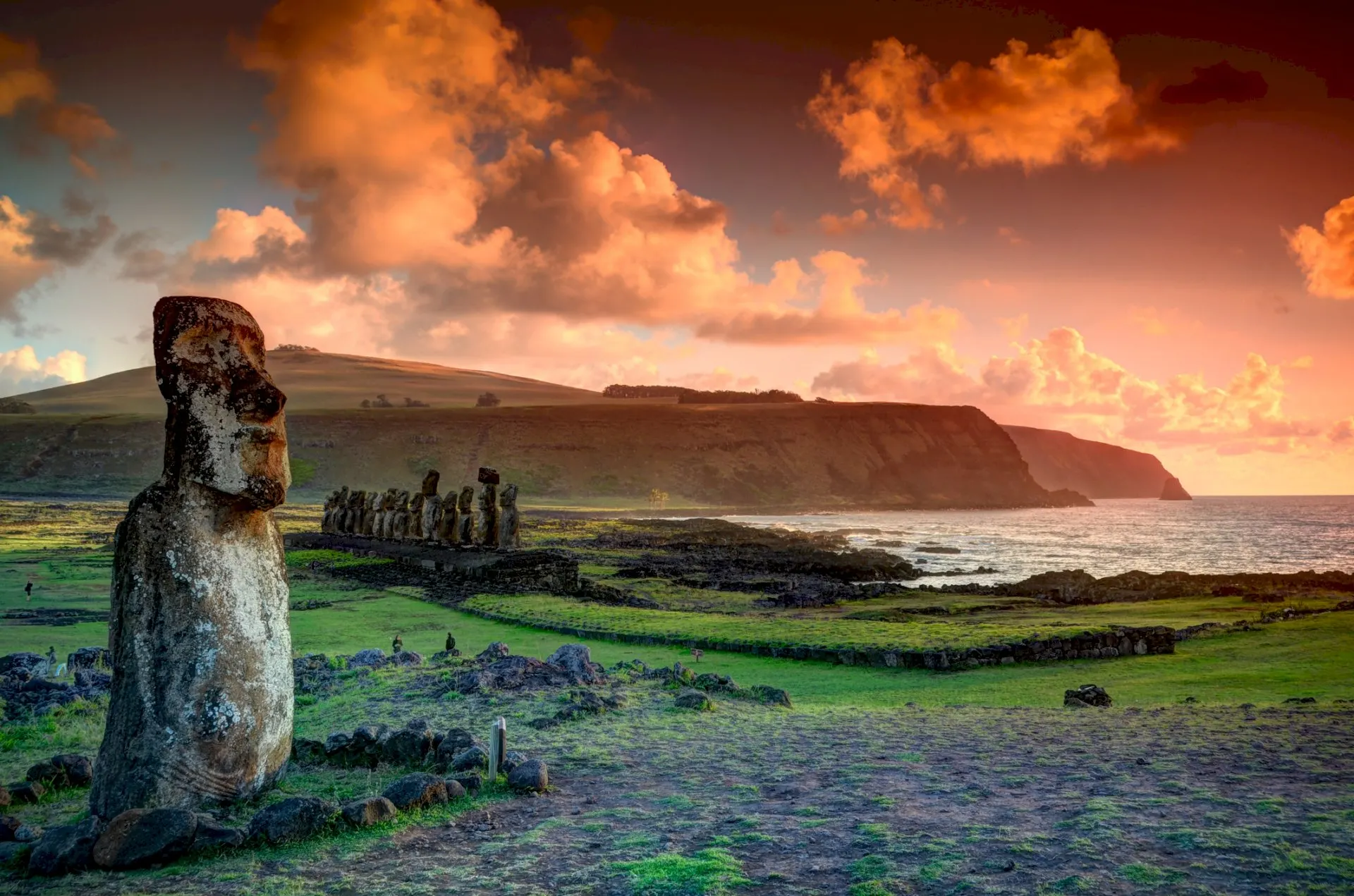
Easter Island: A Remote Paradise in the Pacific

meatthesavages.com – Nestled in the vast expanse of the Pacific Ocean, Easter Island, or Rapa Nui as it is known locally, stands as a testament to human ingenuity and mystery. This small volcanic island, belonging to Chile, is renowned for its monumental statues, known as moai, which have puzzled archaeologists and historiors for centuries. Despite its remote location, some 3,500 kilometers off the coast of Chile, Easter Island has become a significant destination for travelers seeking to unravel the enigmas of the past and experience the beauty of a unique Polynesian culture.

The Enigma of the Moai

The most striking feature of Easter Island is undoubtedly its collection of over 900 moai statues, which were carved by the Rapa Nui people between the years 1250 and 1500. These monolithic human figures, with their oversized heads and serene expressions, are believed to represent deified ancestors and were integral to the island’s religious practices. The construction, transportation, and purpose of these statues remain subjects of intense study and speculation, with theories ranging from ritualistic to astronomical significance.

A Rich Cultural Heritage

Easter Island’s cultural heritage is as intriguing as its statues. The Rapa Nui people have a rich oral tradition, which includes the story of the island’s creation and the legendary birdman cult that emerged after the fall of the moai culture. The island’s language, Rapa Nui, is a Polynesian language that has been preserved and is still spoken today, alongside Spanish and English. The annual Tapati Rapa Nui festival, held in February, is a vibrant celebration of the island’s cultural heritage, featuring traditional music, dance, and sports.

Natural Beauty and Biodiversity

Beyond its historical significance, Easter Island is a place of stunning natural beauty. Its rugged volcanic landscape, dotted with ancient quarries and ceremonial sites, offers a unique setting for exploration and reflection. The island’s coastline is equally impressive, with crystal-clear waters, white sandy beaches, and dramatic cliffs. Easter Island is also home to a variety of endemic flora and fauna, including the toromiro tree, which was once thought to be extinct but has been successfully reintroduced to the island.

Preservation and Sustainability

The preservation of Easter Island’s cultural and natural heritage is a top priority for both the local community and international organizations. Efforts are underway to protect the moai statues from environmental degradation and to restore the island’s ecosystem. Sustainable tourism practices are being promoted to ensure that visitors can enjoy the island’s wonders without compromising its delicate balance.

Conclusion

Easter Island is more than just a remote paradise in the Pacific; it is a living museum that offers a glimpse into one of the most fascinating chapters of human history. Its enduring mysteries, combined with its natural beauty and vibrant culture, make it a destination like no other. For those who seek to explore the unknown and appreciate the marvels of our world, Easter Island awaits, ready to share its secrets with those who tread respectfully upon its hallowed ground.