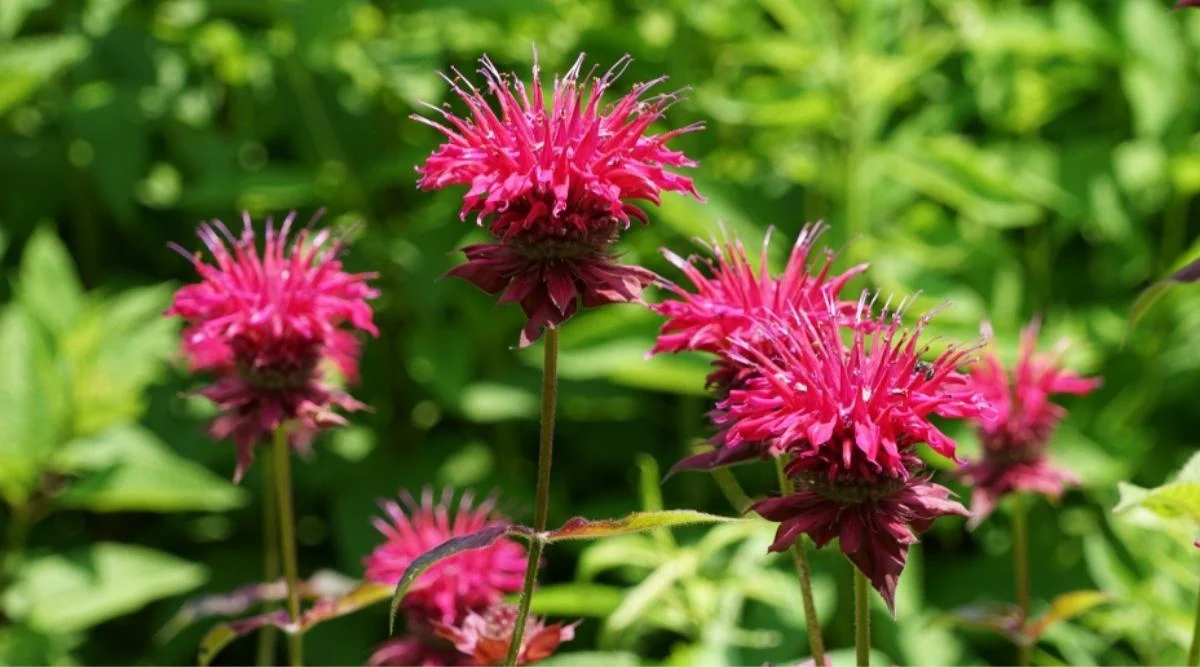
meatthesavages.com – Bee Balm (Monarda didyma), also known as Oswego tea or bergamot, is a fragrant, colorful perennial plant that has earned its place in gardens across North America. Known for its unique, showy flowers and its ability to attract a wide range of pollinators, Bee Balm is an excellent choice for gardeners looking to create a vibrant, wildlife-friendly space. Whether planted in flower beds, wildflower gardens, or containers, Bee Balm brings both beauty and ecological value to any garden.
Key Features of Bee Balm
- Unique, Fragrant Flowers: The most striking feature of Bee Balm is its unusual, tubular flowers that bloom in a variety of vibrant colors, including red, pink, purple, and white. These flowers form clusters atop tall, sturdy stems and are characterized by their spiky, almost frayed appearance. Bee Balm flowers are also highly fragrant, emitting a sweet, spicy aroma that attracts not only pollinators but also gardeners who appreciate the sensory experience of a fragrant garden.
- Pollinator Magnet: As the name suggests, Bee Balm is a favorite of bees, but it also attracts a variety of other pollinators, including butterflies, hummingbirds, and moths. The nectar-rich flowers are especially attractive to native bee species and play an important role in supporting local pollinator populations. By planting Bee Balm, gardeners can help create a more biodiverse garden that provides valuable food sources for these important creatures.
- Attractive Foliage: In addition to its colorful blooms, Bee Balm has aromatic, lance-shaped leaves that form a bushy, attractive clump. The foliage is typically a rich green, although some varieties feature reddish or purple-hued stems. The leaves of Bee Balm are fragrant when crushed and can be used in herbal teas, making them an added bonus for gardeners interested in herbal gardening.
- Height and Texture: Bee Balm can grow between 2 to 4 feet tall, with some varieties reaching even higher. Its upright growth habit and branching stems give it a bushy, rounded appearance that works well in the middle or back of garden beds. The height and structure of Bee Balm make it an excellent plant for filling in gaps, creating borders, or adding vertical interest to flower gardens.
- Cultural Significance: Historically, Bee Balm has been used in herbal medicine by Native American tribes. The leaves and flowers were brewed into teas to treat ailments such as colds and digestive issues. The plant’s soothing, aromatic properties continue to make it popular in herbal remedies and culinary applications today.
Growing and Caring for Bee Balm
- Sunlight: Bee Balm thrives in full sun to partial shade. While it will grow in partial shade, it produces the most vibrant flowers and lush foliage when planted in a location that receives at least 6 hours of sunlight each day. In regions with very hot summers, some afternoon shade can help protect the plant from the intense heat.
- Soil: Bee Balm prefers moist, well-drained soil but can tolerate a variety of soil types, including clay and loamy soils. It grows best in slightly acidic to neutral soil, with a pH range between 6.0 and 7.0. Bee Balm benefits from the addition of organic matter such as compost, which improves soil structure and moisture retention.
- Watering: Consistent moisture is key to growing healthy Bee Balm. The plant enjoys moist soil but should not be waterlogged. Be sure to water deeply during dry spells to keep the soil evenly moist. Drip irrigation or soaker hoses work well to avoid wetting the foliage, which can lead to fungal diseases. Once established, Bee Balm is relatively drought-tolerant, but regular watering during the growing season helps it perform best.
- Temperature: Bee Balm is hardy in USDA zones 4-9, making it suitable for a wide range of climates. It is tolerant of both hot summers and cold winters, although it benefits from some winter protection in colder areas. In warmer climates, Bee Balm may require some afternoon shade to protect it from excessive heat. The plant is also tolerant of frost and will regrow in spring after the winter chill.
- Fertilization: Bee Balm benefits from occasional feeding with a balanced, all-purpose fertilizer. A slow-release fertilizer applied in early spring will help promote healthy growth and abundant flowering. However, it is important not to over-fertilize, as this can lead to excessive leafy growth at the expense of flowers. Avoid high-nitrogen fertilizers, as they can encourage leaf production rather than blooms.
- Pruning: Regular pruning is essential for maintaining the health and appearance of Bee Balm. To encourage bushier growth and prevent the plant from becoming leggy, pinch back the tips of the stems in early spring before new growth begins. Deadheading spent flowers can also help prolong the blooming period. In late fall, cut the plant back to about 6 inches to prepare it for winter. Bee Balm tends to spread by rhizomes, so dividing the plant every 2-3 years can help prevent overcrowding and rejuvenate growth.
Popular Uses of Bee Balm
- Pollinator Gardens: Bee Balm is a top choice for pollinator-friendly gardens, as its vibrant, nectar-rich flowers attract a wide range of pollinators. By planting Bee Balm, gardeners can provide valuable food sources for bees, butterflies, and other beneficial insects, helping to support local ecosystems.
- Wildflower Gardens: Bee Balm is a great addition to wildflower gardens, where its colorful blooms can be paired with other native plants. Its tall, spiky flowers add vertical interest and create a striking contrast with the lower-growing plants typically found in wildflower settings.
- Cottage Gardens: The relaxed, natural appearance of Bee Balm makes it a perfect fit for cottage-style gardens, where it can be paired with other perennial flowers like daisies, lavender, and coneflowers. Its bold color and texture make it a focal point in a mixed planting, adding both beauty and fragrance to the garden.
- Herb Gardens: Bee Balm’s fragrant leaves make it an excellent addition to herb gardens, where it can be grown for both its ornamental and culinary uses. The leaves and flowers can be used to make tea, which is said to have calming properties. Bee Balm also works well in kitchen gardens, where its aromatic foliage can be harvested for use in cooking.
- Containers and Window Boxes: Bee Balm can be grown in containers and window boxes, making it a great choice for small-space gardening. Its bright flowers add a splash of color to patios, balconies, and outdoor living areas. Be sure to provide a large enough container to accommodate its root system and use well-draining soil to prevent waterlogging.
Companion Plants for Bee Balm
Bee Balm pairs well with a variety of other plants, including:
- Echinacea (Coneflower): The daisy-like flowers of Echinacea complement the spiky blooms of Bee Balm, creating a beautiful contrast in color and form.
- Black-eyed Susan (Rudbeckia): The bright yellow flowers of Black-eyed Susan add a cheery contrast to the vibrant colors of Bee Balm.
- Lobelia: The trailing flowers of Lobelia add a cascading effect that pairs beautifully with the upright growth of Bee Balm.
- Shasta Daisy: The classic white flowers of Shasta Daisy look lovely next to the bold colors of Bee Balm, providing a balanced visual effect in the garden.
Conclusion
Bee Balm is a beautiful and versatile plant that adds both color and fragrance to any garden. Known for its unique, tubular flowers and its ability to attract a wide range of pollinators, Bee Balm is an excellent choice for gardeners who want to create a wildlife-friendly space. Whether planted in flower beds, herb gardens, or containers, Bee Balm offers beauty, ecological value, and fragrance that will enhance any garden. With its ease of care and wide range of uses, Bee Balm is a must-have for anyone looking to create a vibrant, pollinator-friendly landscape.
