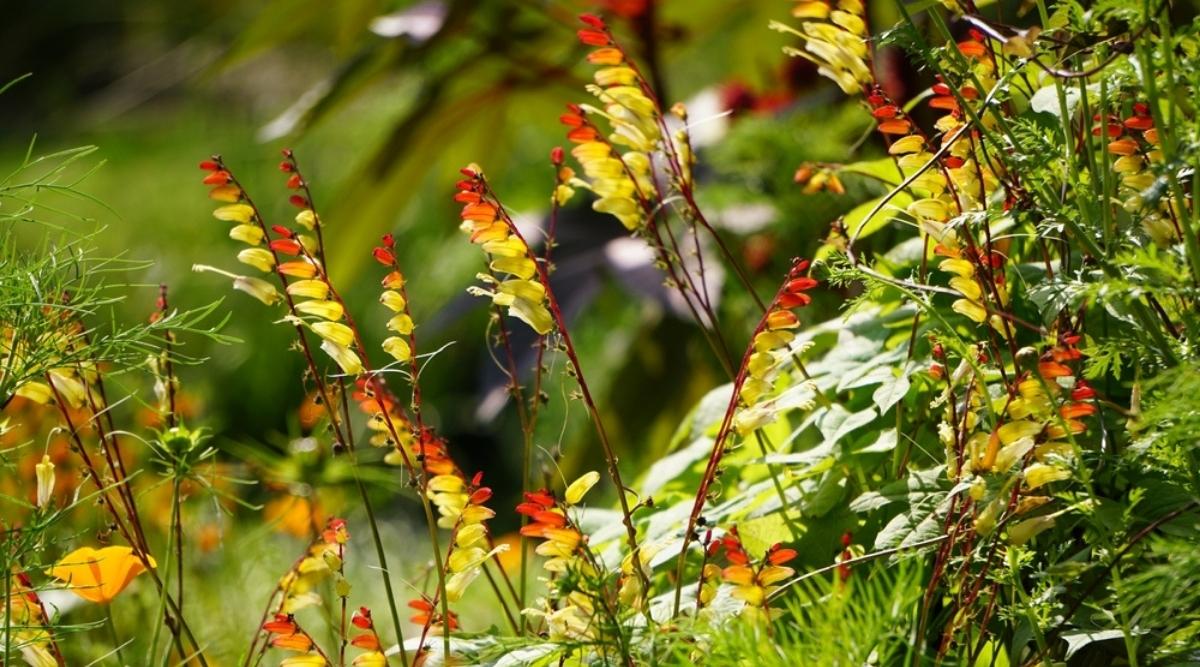
Mini Lobata: A Vibrant & Compact Flower for Your Garden

meatthesavages.com – Mini Lobata (Lobelia erinus) is a stunning flowering plant known for its profuse blooms and compact size. With its trailing habit, vibrant colors, and long blooming period, Mini Lobata makes a perfect addition to hanging baskets, window boxes, and container gardens. Often referred to as “trailing lobelia” or “basket lobelia,” this hardy annual is beloved for its ability to provide a cascade of colorful flowers throughout the warmer months, transforming gardens into vibrant displays of beauty.

Origins and Habitat

Native to Southern Africa, Mini Lobata thrives in warm, sunny climates, making it a popular choice for gardeners in temperate regions. It is commonly grown as an annual in cooler climates, where it is planted in the spring after the last frost date and allowed to bloom until the first frost of the fall season.

Mini Lobata is a versatile plant that can grow in a variety of garden settings. While it prefers full sun, it can also tolerate partial shade, especially in hotter climates. It thrives in well-drained, moist soil, making it an excellent choice for containers, hanging baskets, and flower beds.

Characteristics and Varieties

Mini Lobata is a low-growing, spreading plant that typically reaches a height of 4 to 6 inches and can spread up to 12 to 18 inches wide. Its compact size makes it an ideal choice for small spaces, containers, and hanging baskets, where it can spill over the edges with its vibrant flowers.

The plant’s flowers are small, trumpet-shaped, and come in a variety of colors, including blue, white, pink, purple, and red. These colorful blooms are densely packed along the trailing stems, creating a lush, cascading effect. Mini Lobata has a long blooming period, often lasting from late spring to early fall, and it blooms profusely during this time, providing a constant source of color.

Some popular varieties of Mini Lobata include:

  • ‘Blue Fountain’: A variety with striking blue flowers that create a waterfall effect in containers and hanging baskets.
  • ‘Cascade’: Known for its vibrant purple and blue blooms, this variety is perfect for adding a bold splash of color to any garden.
  • ‘White Fountain’: A more delicate variety with pure white flowers that can complement other bright colors in mixed plantings.

Growing Mini Lobata

Mini Lobata is relatively easy to grow and care for, making it a favorite among gardeners of all experience levels. It thrives in full sun but can tolerate light shade, especially in regions with hot summers. This plant prefers well-drained, moist soil, and while it is not particularly picky about soil quality, it performs best in soil that is rich in organic matter.

To grow Mini Lobata, you can start seeds indoors 6 to 8 weeks before the last expected frost date or purchase young plants from a nursery. If starting from seed, sow the seeds in a shallow container and cover them lightly with soil, as they need light to germinate. Once the seedlings are ready for transplanting, move them outdoors after the threat of frost has passed.

When planting Mini Lobata in containers or hanging baskets, make sure to use a high-quality potting mix with good drainage to prevent waterlogging. The plant can also be grown in garden beds, where it will spread and fill in spaces with its lush, trailing growth habit. Space the plants about 6 to 8 inches apart to give them room to grow and spread.

Watering and Fertilizing

Mini Lobata requires consistent moisture, especially during hot and dry periods. It is important to water the plant regularly to keep the soil moist but not soggy, as excessive moisture can lead to root rot. When growing in containers, be sure that the containers have adequate drainage to prevent water from accumulating at the bottom.

To encourage healthy growth and abundant blooms, Mini Lobata benefits from regular feeding. A balanced, water-soluble fertilizer can be applied every 2 to 3 weeks during the growing season to promote vigorous growth and continuous flowering. Avoid over-fertilizing, as this can lead to excessive foliage growth at the expense of flowers.

Pruning and Maintenance

Mini Lobata is a low-maintenance plant, but it can benefit from some periodic care to ensure it continues to thrive and produce a profusion of blooms. Deadheading spent flowers is a good way to encourage the plant to continue flowering throughout the growing season. Simply pinch off the faded blooms to keep the plant looking tidy and prevent it from putting energy into seed production.

In addition to deadheading, pruning back any leggy or overgrown stems will help maintain a compact, bushy shape. Pruning can be done in early summer or whenever the plant starts to look untidy. Removing any damaged or diseased stems will also help the plant maintain its health and vigor.

Wildlife and Pollinator Benefits

Mini Lobata is a great plant for attracting pollinators, including bees, butterflies, and hummingbirds. Its vibrant, nectar-rich flowers draw these beneficial insects, making it a valuable addition to any pollinator-friendly garden. By planting Mini Lobata alongside other pollinator-friendly plants, you can create a colorful and buzzing oasis that supports local wildlife.

The small, trumpet-shaped flowers are especially appealing to hummingbirds, which are attracted to the bright colors and sweet nectar. The plant’s cascading growth habit also provides shelter and hiding spots for beneficial insects, adding to the biodiversity of your garden.

Symbolism and Significance

In the language of flowers, Lobelia is often associated with love and affection. Its delicate, bell-shaped blooms symbolize devotion and fidelity, making it a lovely choice for adding a sentimental touch to gardens and floral arrangements.

Mini Lobata’s ability to bloom continuously throughout the growing season also makes it a symbol of endurance and resilience. The plant’s vibrant, persistent flowers are a reminder of the beauty that can be found in even the smallest of blooms.

Mini Lobata in Garden Design

Mini Lobata is incredibly versatile in garden design, making it suitable for a wide variety of settings. Its trailing habit makes it an ideal plant for hanging baskets, containers, and window boxes, where it can spill over the edges and create a lush, colorful display. The plant’s compact size also makes it perfect for filling small spaces, such as balcony gardens or courtyard planters.

In garden beds, Mini Lobata can be used as ground cover, where its spreading growth habit fills in empty spaces and adds a burst of color. It pairs well with other sun-loving plants, such as petunias, geraniums, and verbena, to create a vibrant, mixed planting that is sure to attract attention.

Mini Lobata’s long blooming period also makes it a great choice for extending the color in your garden through the summer and into fall. Whether planted in containers, hanging baskets, or garden beds, Mini Lobata is sure to add charm, beauty, and a touch of elegance to your outdoor space.

Conclusion

Mini Lobata is a charming and versatile flowering plant that brings beauty and color to any garden. With its compact size, vibrant blooms, and trailing habit, it is an ideal choice for hanging baskets, window boxes, and containers. Easy to grow and care for, Mini Lobata is a low-maintenance plant that provides a continuous display of flowers throughout the growing season. Whether used in small spaces, as part of a mixed container, or as a ground cover, Mini Lobata adds a burst of color and elegance to your garden, making it a favorite among gardeners looking to create a lively and vibrant outdoor space.
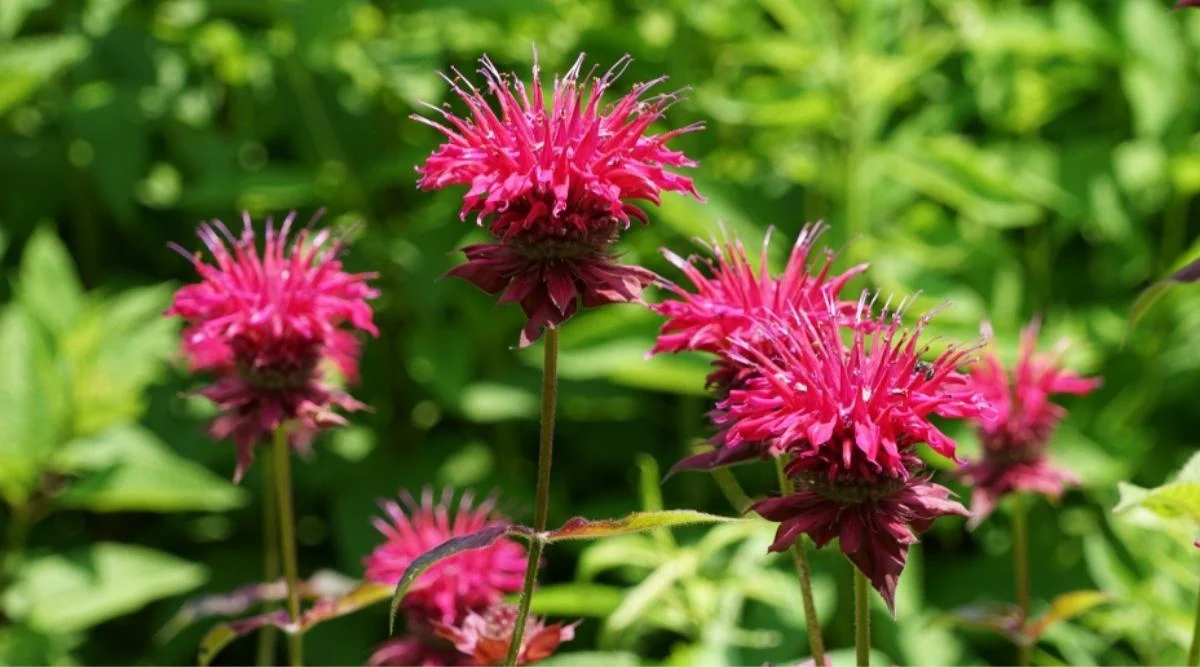

Bee Balm: A Vibrant, Pollinator-Friendly Flower for Every Garden

meatthesavages.com – Bee Balm (Monarda didyma), also known as Oswego tea or bergamot, is a fragrant, colorful perennial plant that has earned its place in gardens across North America. Known for its unique, showy flowers and its ability to attract a wide range of pollinators, Bee Balm is an excellent choice for gardeners looking to create a vibrant, wildlife-friendly space. Whether planted in flower beds, wildflower gardens, or containers, Bee Balm brings both beauty and ecological value to any garden.

Key Features of Bee Balm

  1. Unique, Fragrant Flowers: The most striking feature of Bee Balm is its unusual, tubular flowers that bloom in a variety of vibrant colors, including red, pink, purple, and white. These flowers form clusters atop tall, sturdy stems and are characterized by their spiky, almost frayed appearance. Bee Balm flowers are also highly fragrant, emitting a sweet, spicy aroma that attracts not only pollinators but also gardeners who appreciate the sensory experience of a fragrant garden.
  2. Pollinator Magnet: As the name suggests, Bee Balm is a favorite of bees, but it also attracts a variety of other pollinators, including butterflies, hummingbirds, and moths. The nectar-rich flowers are especially attractive to native bee species and play an important role in supporting local pollinator populations. By planting Bee Balm, gardeners can help create a more biodiverse garden that provides valuable food sources for these important creatures.
  3. Attractive Foliage: In addition to its colorful blooms, Bee Balm has aromatic, lance-shaped leaves that form a bushy, attractive clump. The foliage is typically a rich green, although some varieties feature reddish or purple-hued stems. The leaves of Bee Balm are fragrant when crushed and can be used in herbal teas, making them an added bonus for gardeners interested in herbal gardening.
  4. Height and Texture: Bee Balm can grow between 2 to 4 feet tall, with some varieties reaching even higher. Its upright growth habit and branching stems give it a bushy, rounded appearance that works well in the middle or back of garden beds. The height and structure of Bee Balm make it an excellent plant for filling in gaps, creating borders, or adding vertical interest to flower gardens.
  5. Cultural Significance: Historically, Bee Balm has been used in herbal medicine by Native American tribes. The leaves and flowers were brewed into teas to treat ailments such as colds and digestive issues. The plant’s soothing, aromatic properties continue to make it popular in herbal remedies and culinary applications today.

Growing and Caring for Bee Balm

  • Sunlight: Bee Balm thrives in full sun to partial shade. While it will grow in partial shade, it produces the most vibrant flowers and lush foliage when planted in a location that receives at least 6 hours of sunlight each day. In regions with very hot summers, some afternoon shade can help protect the plant from the intense heat.
  • Soil: Bee Balm prefers moist, well-drained soil but can tolerate a variety of soil types, including clay and loamy soils. It grows best in slightly acidic to neutral soil, with a pH range between 6.0 and 7.0. Bee Balm benefits from the addition of organic matter such as compost, which improves soil structure and moisture retention.
  • Watering: Consistent moisture is key to growing healthy Bee Balm. The plant enjoys moist soil but should not be waterlogged. Be sure to water deeply during dry spells to keep the soil evenly moist. Drip irrigation or soaker hoses work well to avoid wetting the foliage, which can lead to fungal diseases. Once established, Bee Balm is relatively drought-tolerant, but regular watering during the growing season helps it perform best.
  • Temperature: Bee Balm is hardy in USDA zones 4-9, making it suitable for a wide range of climates. It is tolerant of both hot summers and cold winters, although it benefits from some winter protection in colder areas. In warmer climates, Bee Balm may require some afternoon shade to protect it from excessive heat. The plant is also tolerant of frost and will regrow in spring after the winter chill.
  • Fertilization: Bee Balm benefits from occasional feeding with a balanced, all-purpose fertilizer. A slow-release fertilizer applied in early spring will help promote healthy growth and abundant flowering. However, it is important not to over-fertilize, as this can lead to excessive leafy growth at the expense of flowers. Avoid high-nitrogen fertilizers, as they can encourage leaf production rather than blooms.
  • Pruning: Regular pruning is essential for maintaining the health and appearance of Bee Balm. To encourage bushier growth and prevent the plant from becoming leggy, pinch back the tips of the stems in early spring before new growth begins. Deadheading spent flowers can also help prolong the blooming period. In late fall, cut the plant back to about 6 inches to prepare it for winter. Bee Balm tends to spread by rhizomes, so dividing the plant every 2-3 years can help prevent overcrowding and rejuvenate growth.

Popular Uses of Bee Balm

  1. Pollinator Gardens: Bee Balm is a top choice for pollinator-friendly gardens, as its vibrant, nectar-rich flowers attract a wide range of pollinators. By planting Bee Balm, gardeners can provide valuable food sources for bees, butterflies, and other beneficial insects, helping to support local ecosystems.
  2. Wildflower Gardens: Bee Balm is a great addition to wildflower gardens, where its colorful blooms can be paired with other native plants. Its tall, spiky flowers add vertical interest and create a striking contrast with the lower-growing plants typically found in wildflower settings.
  3. Cottage Gardens: The relaxed, natural appearance of Bee Balm makes it a perfect fit for cottage-style gardens, where it can be paired with other perennial flowers like daisies, lavender, and coneflowers. Its bold color and texture make it a focal point in a mixed planting, adding both beauty and fragrance to the garden.
  4. Herb Gardens: Bee Balm’s fragrant leaves make it an excellent addition to herb gardens, where it can be grown for both its ornamental and culinary uses. The leaves and flowers can be used to make tea, which is said to have calming properties. Bee Balm also works well in kitchen gardens, where its aromatic foliage can be harvested for use in cooking.
  5. Containers and Window Boxes: Bee Balm can be grown in containers and window boxes, making it a great choice for small-space gardening. Its bright flowers add a splash of color to patios, balconies, and outdoor living areas. Be sure to provide a large enough container to accommodate its root system and use well-draining soil to prevent waterlogging.

Companion Plants for Bee Balm

Bee Balm pairs well with a variety of other plants, including:

  • Echinacea (Coneflower): The daisy-like flowers of Echinacea complement the spiky blooms of Bee Balm, creating a beautiful contrast in color and form.
  • Black-eyed Susan (Rudbeckia): The bright yellow flowers of Black-eyed Susan add a cheery contrast to the vibrant colors of Bee Balm.
  • Lobelia: The trailing flowers of Lobelia add a cascading effect that pairs beautifully with the upright growth of Bee Balm.
  • Shasta Daisy: The classic white flowers of Shasta Daisy look lovely next to the bold colors of Bee Balm, providing a balanced visual effect in the garden.

Conclusion

Bee Balm is a beautiful and versatile plant that adds both color and fragrance to any garden. Known for its unique, tubular flowers and its ability to attract a wide range of pollinators, Bee Balm is an excellent choice for gardeners who want to create a wildlife-friendly space. Whether planted in flower beds, herb gardens, or containers, Bee Balm offers beauty, ecological value, and fragrance that will enhance any garden. With its ease of care and wide range of uses, Bee Balm is a must-have for anyone looking to create a vibrant, pollinator-friendly landscape.

Cluj-Napoca: A Dynamic City with a Rich History

meatthesavages.com – Cluj-Napoca, often simply called Cluj, is a vibrant city in northwestern Romania, renowned for its rich history, stunning architecture, and vibrant cultural scene. As one of Romania’s most important economic and cultural centers, Cluj offers a unique blend of old-world charm and modern dynamism.

A Glimpse into History

Cluj’s history dates back to Roman times, when it was known as Napoca. The city has been influenced by various cultures, including Roman, Hungarian, and Romanian. This diverse heritage is reflected in its architecture, cuisine, and customs.

One of the most iconic landmarks in Cluj is the St. Michael’s Church, a Gothic masterpiece with stunning stained-glass windows and intricate stonework. The church’s tower offers panoramic views of the city.

A Cultural Hub

Cluj is a cultural powerhouse, with a thriving arts scene, numerous museums, and a vibrant nightlife. The city hosts various cultural events throughout the year, including music festivals, theater performances, and art exhibitions.   

The National Museum of Art of Cluj is one of the most important art museums in Romania, housing a vast collection of Romanian and international art. The Transylvanian Museum of Ethnography is another popular attraction, showcasing the rich cultural heritage of the region.

A Modern City

In recent years, Cluj has undergone significant transformation, emerging as a modern European city. The city’s skyline is dominated by sleek office buildings and luxury hotels, while its infrastructure has improved significantly. Cluj is also a hub for technology and innovation, attracting young professionals and entrepreneurs from around the world.

A Student City

Cluj is home to Babeș-Bolyai University, one of the oldest and most prestigious universities in Romania. The university’s presence has contributed to the city’s vibrant atmosphere and diverse population.

A Gastronomic Delight

Cluj’s culinary scene is diverse, offering a wide range of flavors and cuisines. Traditional Romanian dishes, such as sarmale (cabbage rolls) and ciorbă (sour soup), are popular among locals and visitors alike. The city also boasts a growing number of international restaurants, offering everything from Italian pasta to Japanese sushi.

A Warm Welcome

Cluj is a welcoming city with friendly people. Visitors will find a warm and hospitable atmosphere, making it an ideal destination for a memorable vacation.

In conclusion, Cluj-Napoca is a dynamic and exciting city with a rich history and a bright future. Whether you’re interested in history, culture, or simply exploring a vibrant metropolis, Cluj has something to offer everyone.